


Genetic research presented across outlets describes Britain’s population history as the result of repeated movement and intermixing rather than a single founding group. The studies referenced argue that ancestry is not best explained by a straightforward line of “Anglo-Saxons,” “Celts,” or “Vikings,” as cultural identity often suggests. Instead, the evidence points to a dynamic process in which different groups contribute to the gene pool over time, followed by further mixing within the population. This ongoing mixture is portrayed as a key feature of how communities on the island develop and change, including through cultural reinvention. The reporting also emphasizes the distinction between cultural identity and genetic inheritance: while ancestry is a common way people connect to the past, genetics reflects demographic events such as migration and interbreeding rather than a fixed biological story. Overall, the sources converge on the view that Britain’s genetic history includes multiple migration episodes and substantial blending, producing complex and changing ancestry patterns across generations.
DNA studies map multiple migration waves shaping Britain’s ancestry
Genetic research presented across outlets describes Britain’s population history as the result of repeated movement and intermixing rather than a single founding group. The studies referenced argue th...
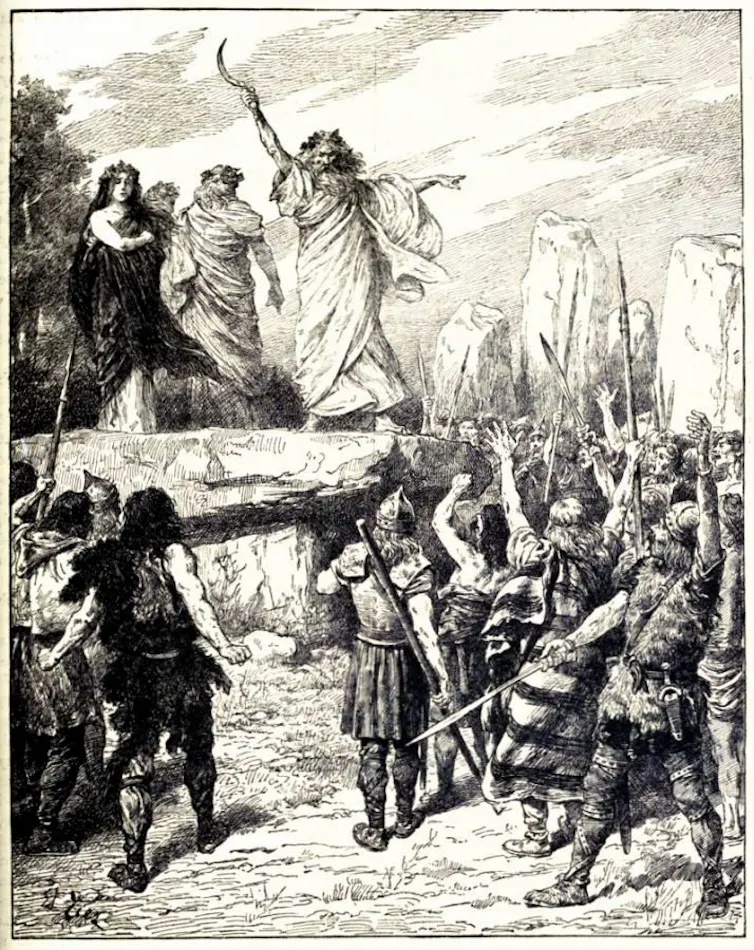
- DNA evidence indicates Britain’s ancestry reflects multiple migration waves rather than a single dominant origin group.
- Genetic findings emphasize intermixing among incoming groups and local populations over time.
- The studies cited distinguish cultural identity from genetic inheritance.
- Historical narratives focused on Anglo-Saxons, Celts, and Vikings are presented as incomplete without considering broader genetic mixing.
- The overall picture is of ongoing demographic change and cultural reinvention alongside biological mixing.
Each of us tells a story about who we are, often tracing our identity back through an imagined line of ancestors. Though identity is fundamentally cultural, we tend to anchor it in biology—in the idea of a stable genetic inheritance passed down through generations.
3 months agoThe island’s history was marked by mixture and cultural reinvention.
3 months ago
Iceland to vote on restarting EU accession talks in close referendum
Iceland holds a referendum on Saturday on whether to resume accession negotiations with the European Union. Multiple out...

Forty missing children from UK asylum hotels still not found
Around 40 children who go missing from UK asylum hotels are still not located, according to reporting that draws on offi...

JD Vance says supporters can skip donating in RNC fundraising text
Vice President JD Vance appears to tell supporters not to donate during a Republican National Committee fundraising appe...