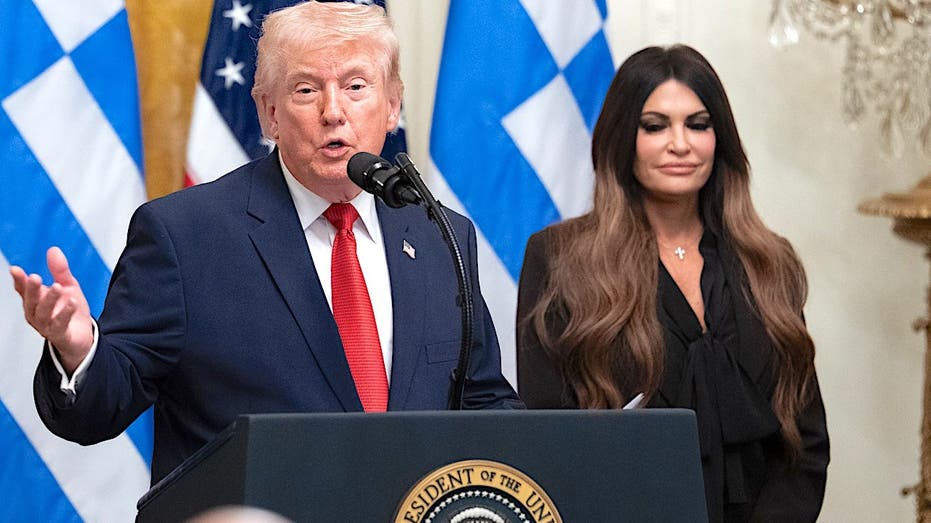
President Donald Trump announces a deal with Russian President Vladimir Putin to increase diesel supplies to the United States and other markets, aiming to reduce fuel costs. The proposal follows reports of a move to waive or alter sanctions covering Russia’s energy sector. The announcement triggers mounting backlash in Washington as congressional critics argue the arrangement risks strengthening Russia financially amid its war-related actions involving Ukraine.
Across outlets, a recurring focus is political and legal scrutiny. Multiple reports say a bipartisan group of senators—combining figures from both parties—urges Trump to rescind the diesel export arrangement and undo the sanctions waiver. Several Republican lawmakers publicly condemn the deal, calling it a “betrayal” of U.S. allies and an outcome that would provide Russia a “financial lifeline.” Other coverage emphasizes the impact on midterm election campaigns, particularly for Republicans in competitive districts and states, where the issue heightens political risk for candidates.
While supporters of Trump’s approach frame it as a way to lower prices for Americans, critics contend the deal conflicts with recent U.S. sanctions policy and undermines allied and Ukraine-related goals. The dispute is unfolding as the next U.S. congressional election approaches.