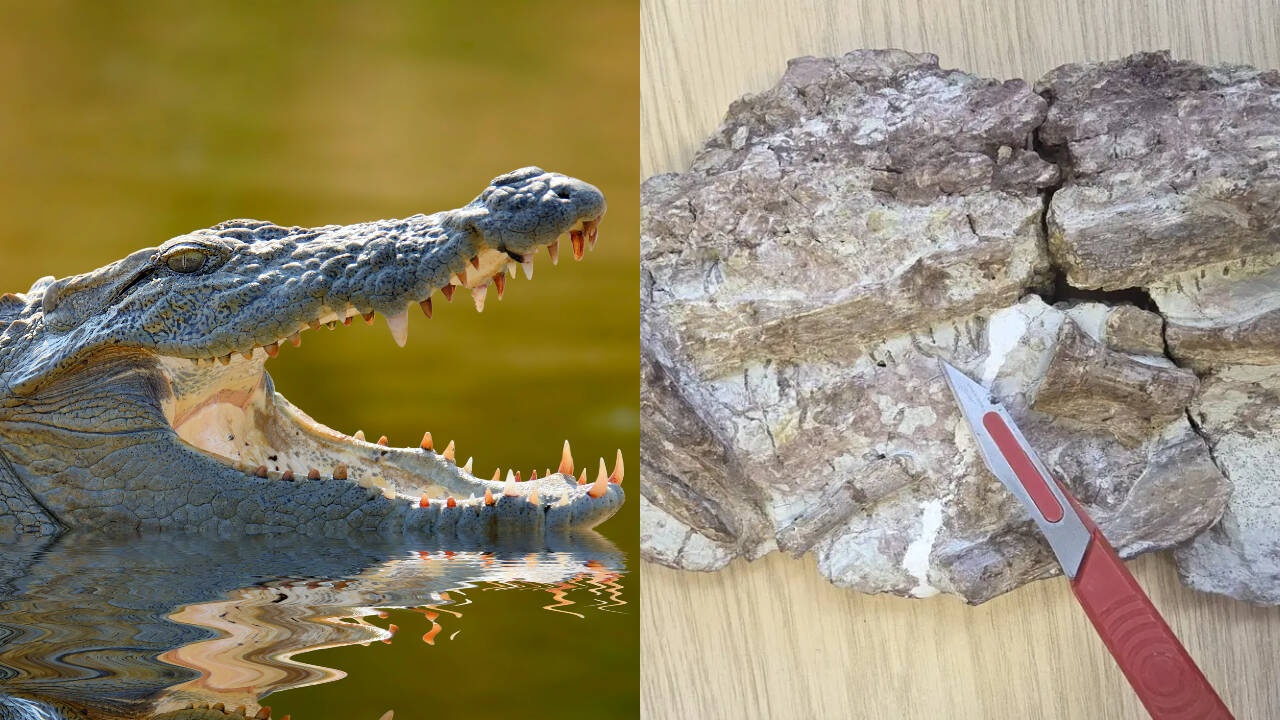
Scientists report the discovery of a new ancient relative of modern crocodiles from fossils dating to roughly 170 million years ago. Researchers say the animal had a long, narrow snout and distinctive, needle-like teeth.
The finds help flesh out the variety of crocodile relatives living in Jurassic ecosystems, according to coverage from the University of Portsmouth. BBC News highlights the unusual dental pattern, noting that the needle-like teeth differ from what is typically seen among other long-snouted crocodile forms. Other outlets similarly describe the age of the fossils and the overall anatomy, focusing on the narrow snout and slender, tooth-like features as key identification traits.
Across the reports, the main points of agreement are the fossil’s Jurassic age, the identification as a crocodile relative, and the presence of long, needle-shaped teeth that stand out within this group. The exact formal naming and full scientific description are not included in the provided excerpts.