


Across multiple Australian outlets, a shared feature examines the growing global biohacking trend and the extent to which it could support longer life. The articles describe a range of commonly discussed interventions, including oxygen chambers and ice baths, often marketed to improve health and extend lifespan. They note that biohacking operates largely outside mainstream medical approaches, with participants and companies promoting practices based on personal experience and emerging science rather than established, long-term clinical evidence. The pieces outline that some claims are linked to concepts such as stress response and improved recovery, but they emphasize that definitive proof of lifespan extension in humans remains limited. The stories also reflect the difficulty of evaluating such methods, including differences in how individuals implement protocols, potential risks or side effects, and the lack of consistent large-scale studies. Overall, the coverage presents biohacking as a popular and evolving lifestyle trend with promising hypotheses, while underscoring that robust evidence for longevity benefits is not yet settled.
Biohacking enthusiasts claim longer life benefits from practices like oxygen chambers and ice baths
Across multiple Australian outlets, a shared feature examines the growing global biohacking trend and the extent to which it could support longer life. The articles describe a range of commonly discus...
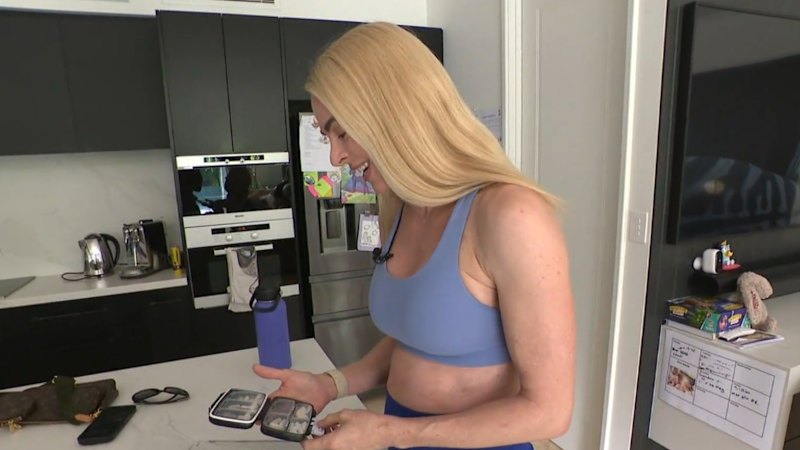
- Biohacking is presented as a global trend aimed at improving health and potentially extending lifespan.
- Practices discussed include oxygen chambers and ice baths.
- The interventions are largely described as operating outside established mainstream medical treatment.
- The articles stress that long-term, high-quality human evidence for increased lifespan is limited.
- Researchers and commentators highlight challenges such as individual variation and the need for more clinical studies.
From oxygen chambers to ice baths, a global biohacking trend is promising followers a longer life.
3 months agoFrom oxygen chambers to ice baths, a global biohacking trend is promising followers a longer life.
3 months agoFrom oxygen chambers to ice baths, a global biohacking trend is promising followers a longer life.
3 months ago
Emily Atack marries Alistair Garner in intimate UK ceremony ahead of Spanish wedding
Emily Atack marries Alistair Garner in an intimate wedding ceremony in the UK, and shares first pictures from the day on...

Man arrested for arson after setting himself on fire in NYC building housing Google
A man is arrested after police say he sets himself on fire in the lobby of a New York City building that houses Google o...

Apple’s September iPhone launch event set for September 9, with iPhone 18 Pro and foldable rumored
Apple’s September iPhone launch is widely reported to be set for September 9 at the Steve Jobs Theater in Cupertino, Cal...