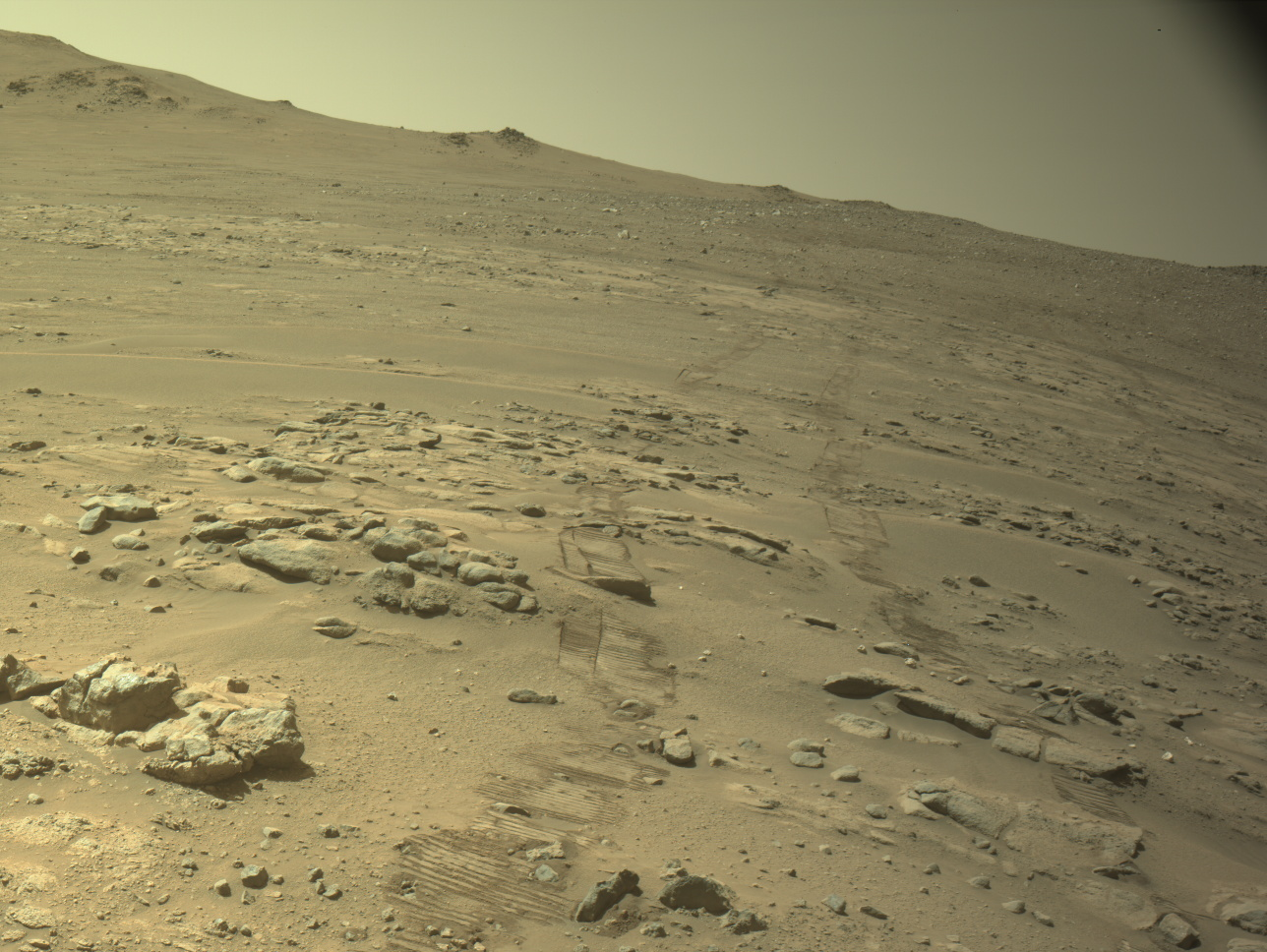
Researchers report that Alaska’s landscapes with “patchy” permafrost—ground where thaw-prone areas are broken up rather than continuous—erode more intensely than areas where permafrost remains largely continuous. The work highlights a mechanism by which uneven ground thaw can destabilize hillslopes, producing more rapid soil and sediment movement.
The reporting also situates the findings within broader climate impacts in the Arctic, where warming occurs much faster than the global average. As permafrost thaws, slumping and landscape change can disrupt ecosystems, contribute to carbon release, and pose risks for communities that rely on stable ground and waterways. While the outlets agree on the general pattern and its Arctic context, they emphasize different aspects: one focuses on the wider implications of thaw for erosion, ecosystems, and carbon, while the other concentrates on the study’s specific result about the relationship between disconnected permafrost and erosion rates.