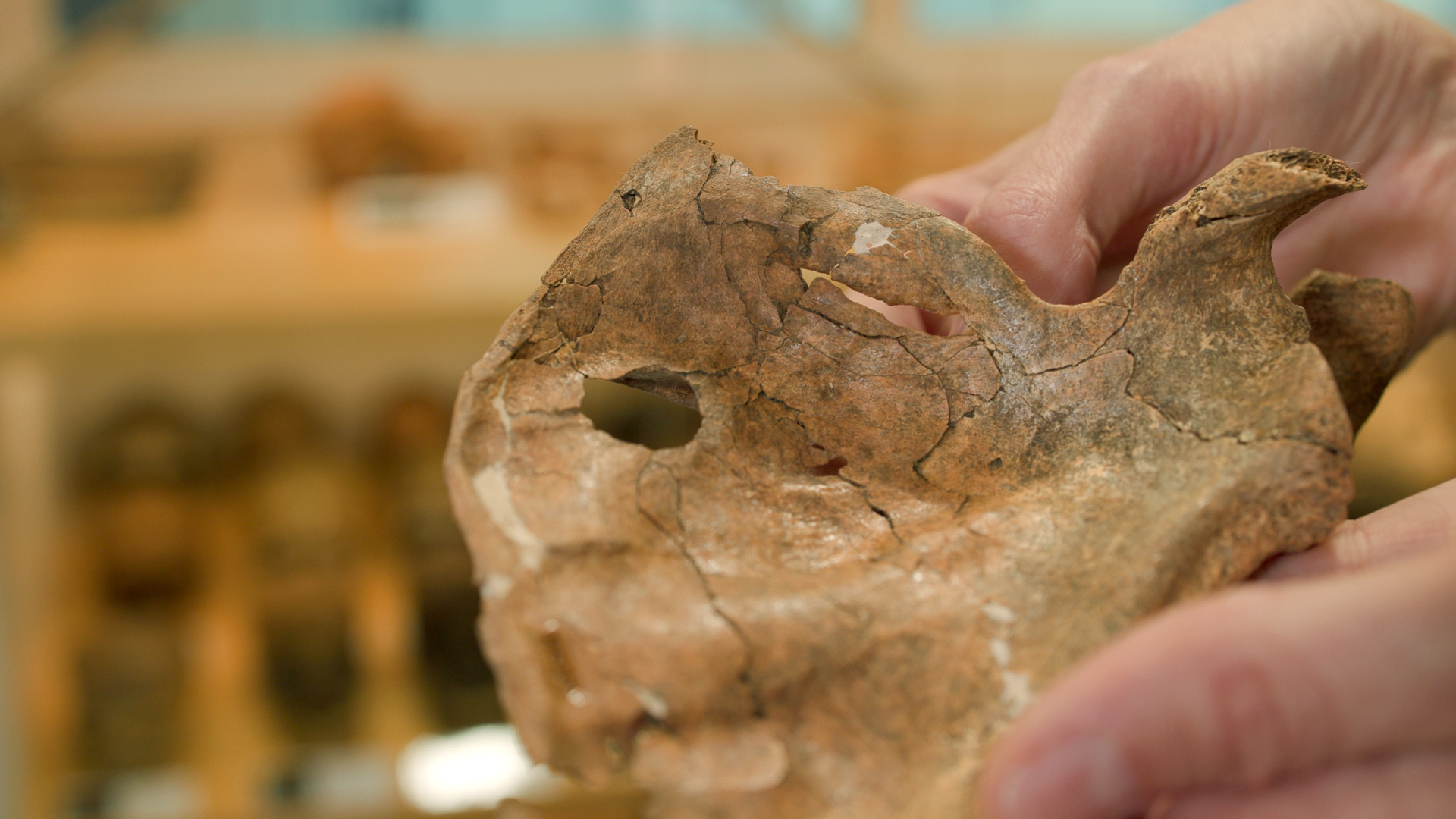
Archaeologists investigating a site in Behbeit al-Hagar, a village in Egypt’s Nile Delta about 76 miles north of Cairo, discover fragments from monumental statues believed to depict King Ramses II. The discovery begins after a local landowner uncovers a head fragment, which prompts further excavation and the recovery of additional pieces.
Sources describe the find as including parts belonging to two separate colossal statues of the Egyptian king. The reports characterize the excavation as expanding evidence for Ramses II’s presence and royal building activity in the Nile Delta during the New Kingdom. While details beyond the initial fragments vary by outlet, both accounts attribute the breakthrough to the local discovery and subsequent archaeological work at the same location, with authorities and researchers involved in documenting and identifying the pieces.