AIPAC, the US pro-Israel lobbying group, faces a defensive moment after last week’s midterm elections weaken its influence in some races. Coverage across outlets links the shift to voter disillusion with US-Israeli ties and growing backlash amid the Gaza war and the broader costs of the Iran conflict.
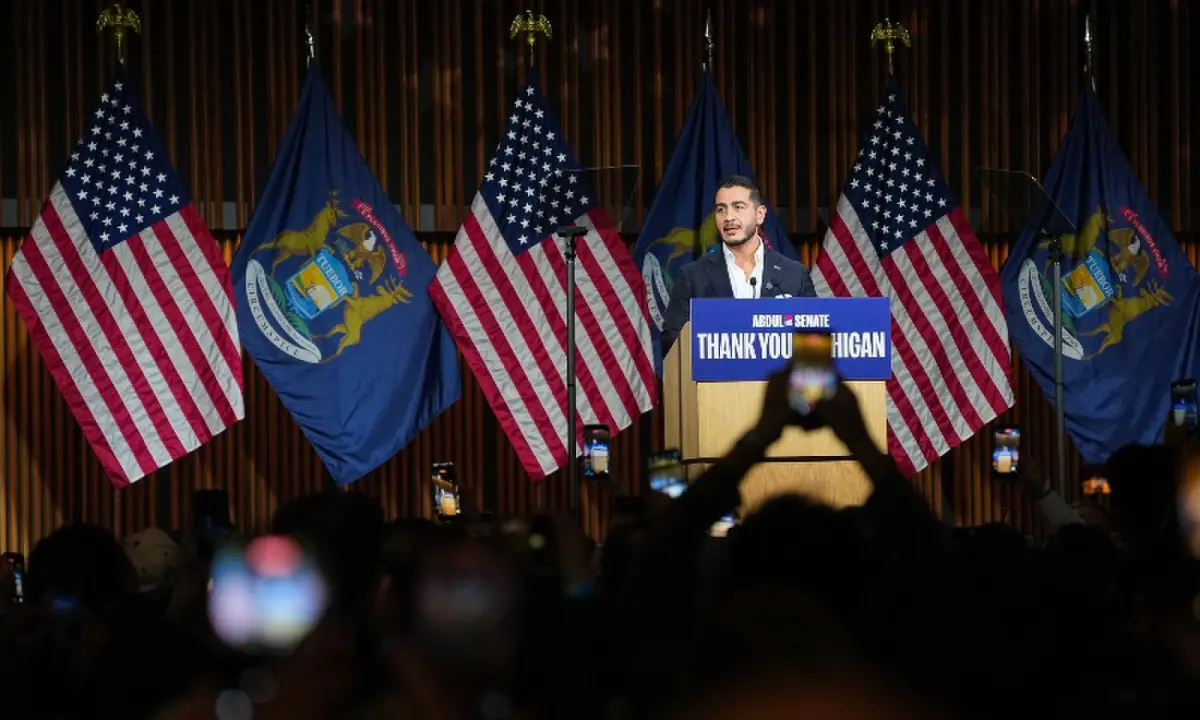
Several stories describe how candidates who are more openly Israel-sceptic attract support and win even when AIPAC-aligned groups spend heavily. In Michigan, Dawn reports that Democratic candidate Abdul El-Sayed defeats AIPAC-backed opponents in both the primary and general elections, becoming the first Muslim senator, and that AIPAC-aligned spending fails to stop his rise. Al-Monitor similarly frames the election results as leaving AIPAC “reeling,” citing plummeting favourable views of Israel.
Other coverage emphasizes the broader political meaning of these outcomes. The Hill presents the result as a signal that contesting AIPAC’s agenda has become a defining feature of election politics, describing it as more than just a policy dispute, without adding specific race details in the provided summary.