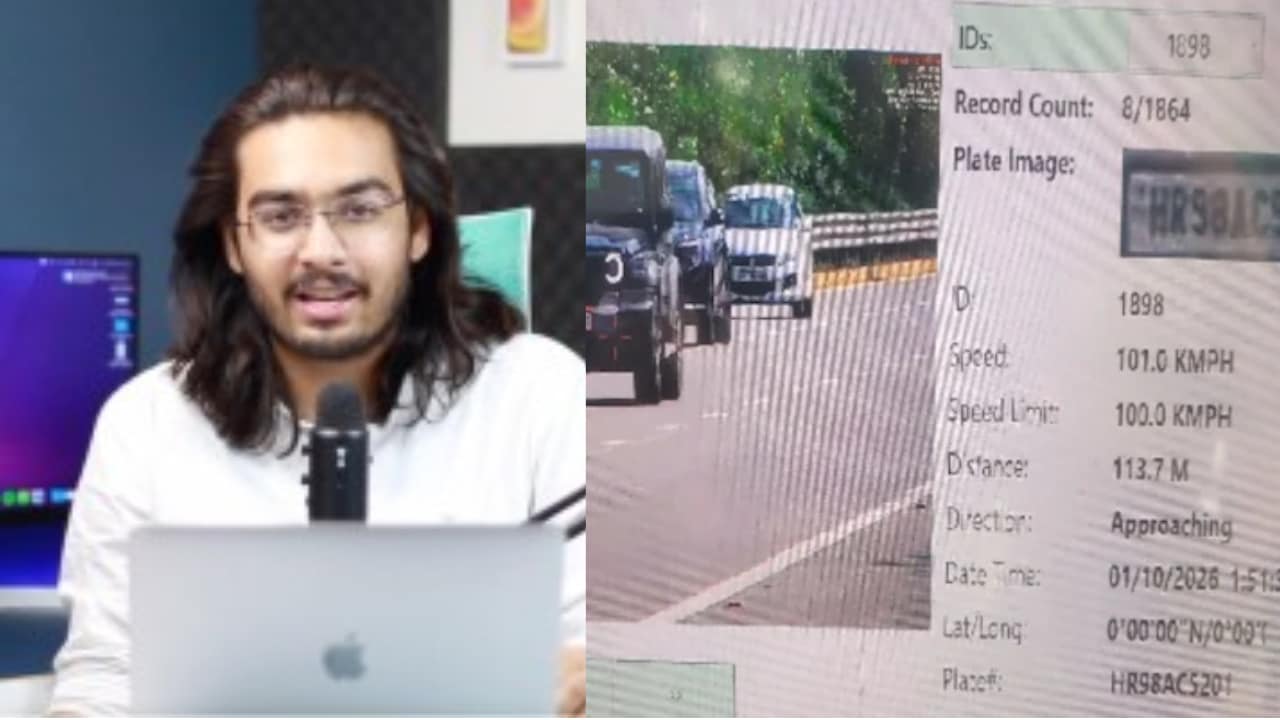
A driver in India receives a Rs 2,000 traffic challan for driving at 101 km/h in a 100 km/h zone on the Yamuna Expressway. The case draws attention online after the automated camera system reportedly logs the driver’s location in the Atlantic Ocean, which triggers debate about the accuracy of AI-based enforcement.
Multiple outlets describe how the post spreads rapidly and draws criticism of both the fine amount and the reliance on automated cameras. Times of India reports that the driver questions the penalization for what is framed as a very small overspeeding margin, and notes wider online discussion that enforcement may not allow for any speed tolerance. NDTV also highlights the perceived mismatch between the expressway setting and the camera’s recorded location, linking the controversy to questions about speed limits and the technology used to issue challans.
Across coverage, the central elements remain consistent: a 1 km/h overspeed, a Rs 2,000 fine, and a camera location detail pointing to the sea. Outlets vary mainly in how prominently they emphasize the speed-tolerance debate versus the unusual “Atlantic Ocean” location log.