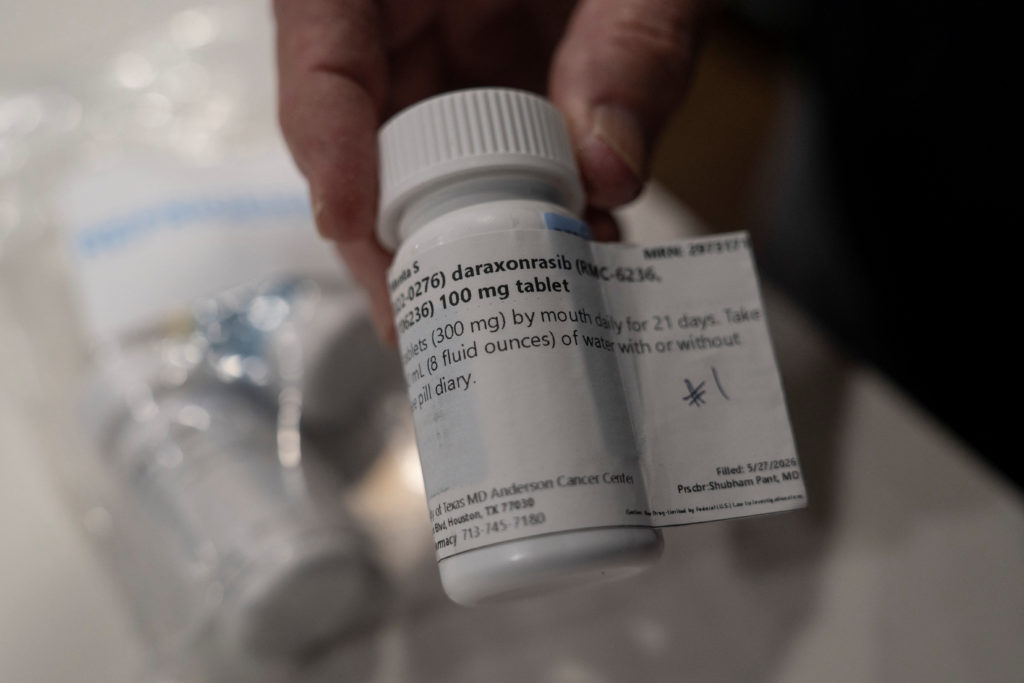
Researchers report that an experimental oral drug, daraxonrasib, improves survival for some people with advanced pancreatic cancer. Multiple outlets describe findings presented publicly as a meaningful advance, though they emphasize the treatment is not a cure. The drug is designed to block a mutated protein linked to tumor growth in a large share of pancreatic cancer cases, targeting a pathway that has proved difficult for therapies to address. Coverage notes that pancreatic cancer remains one of the deadliest cancers and that effective options have been limited compared with other cancer types, where alternative treatments have had more impact.
Reports say the study involved participants with advanced disease and that those receiving the pill lived longer than expected with existing approaches, supporting the idea that the targeted therapy could change the outlook for patients whose tumors carry the relevant mutation. Researchers and clinicians characterize the results as a significant step forward and a potential foundation for future development, including further testing to confirm benefit and define which patients are most likely to respond.