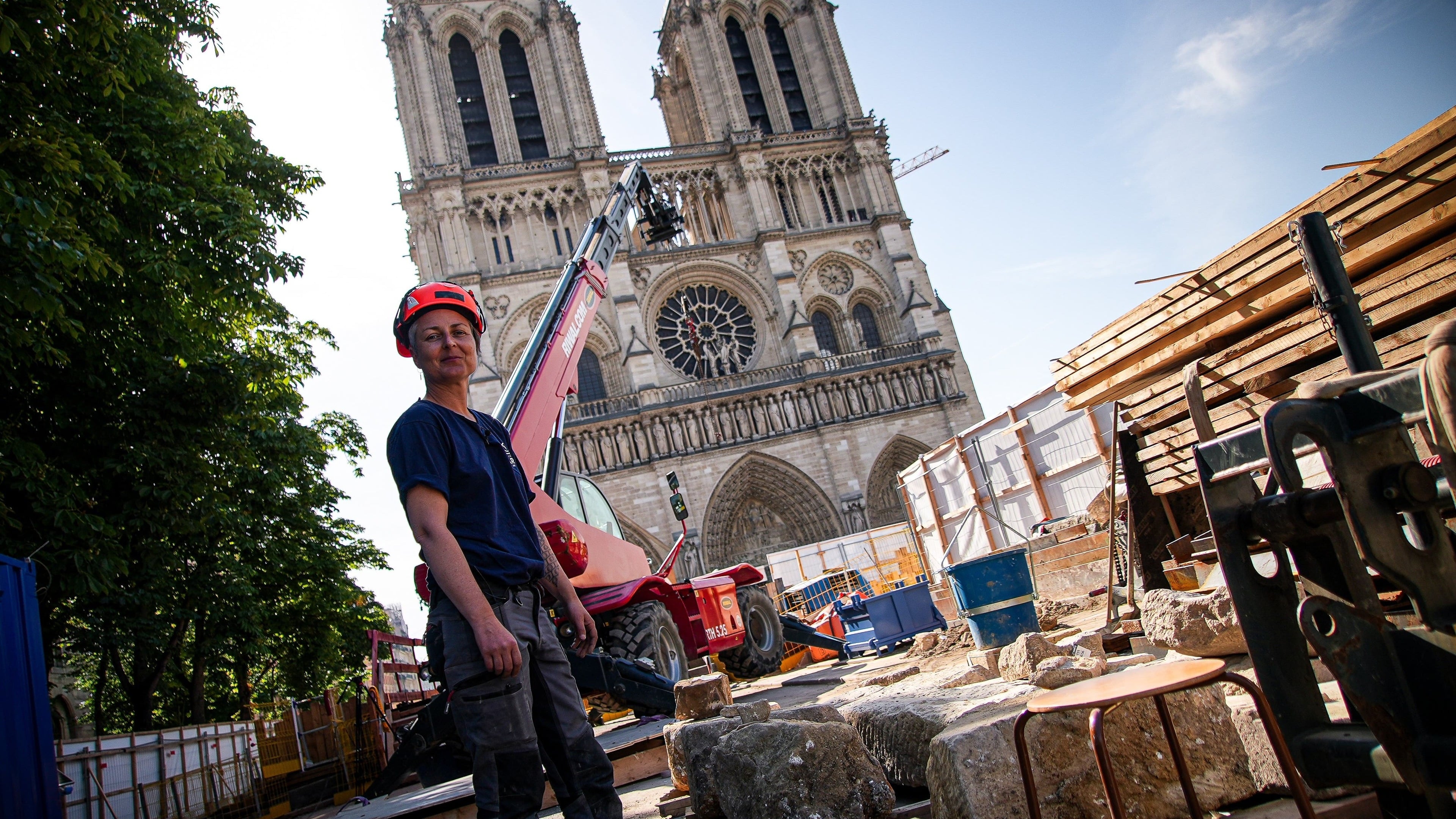
Archaeologists are carrying out an excavation beneath Notre Dame Cathedral in Paris, seeking evidence of the city’s history dating back to the Roman era. Multiple outlets describe the work as a major, long-term investigation of underground layers beneath the medieval cathedral footprint. Reporting indicates researchers are looking at remains that reach roughly 1,700 to 2,000 years into the past, tied to what is described as Roman Paris.
The findings discussed across sources focus on material uncovered in and around medieval-era structures and the ground beneath them. Coverage highlights that some of the richest deposits come from deep pits associated with daily life, including old latrines that also functioned as rubbish dumps. Such deposits are presented as important for understanding past urban living conditions and how earlier residents disposed of waste.
While outlets vary slightly in how they describe the depth of the timeline (1,700 vs. 2,000 years), they agree the excavation is uncovering long-stratified remains beneath the cathedral and is providing new information about Paris before and during the formation of the medieval city.