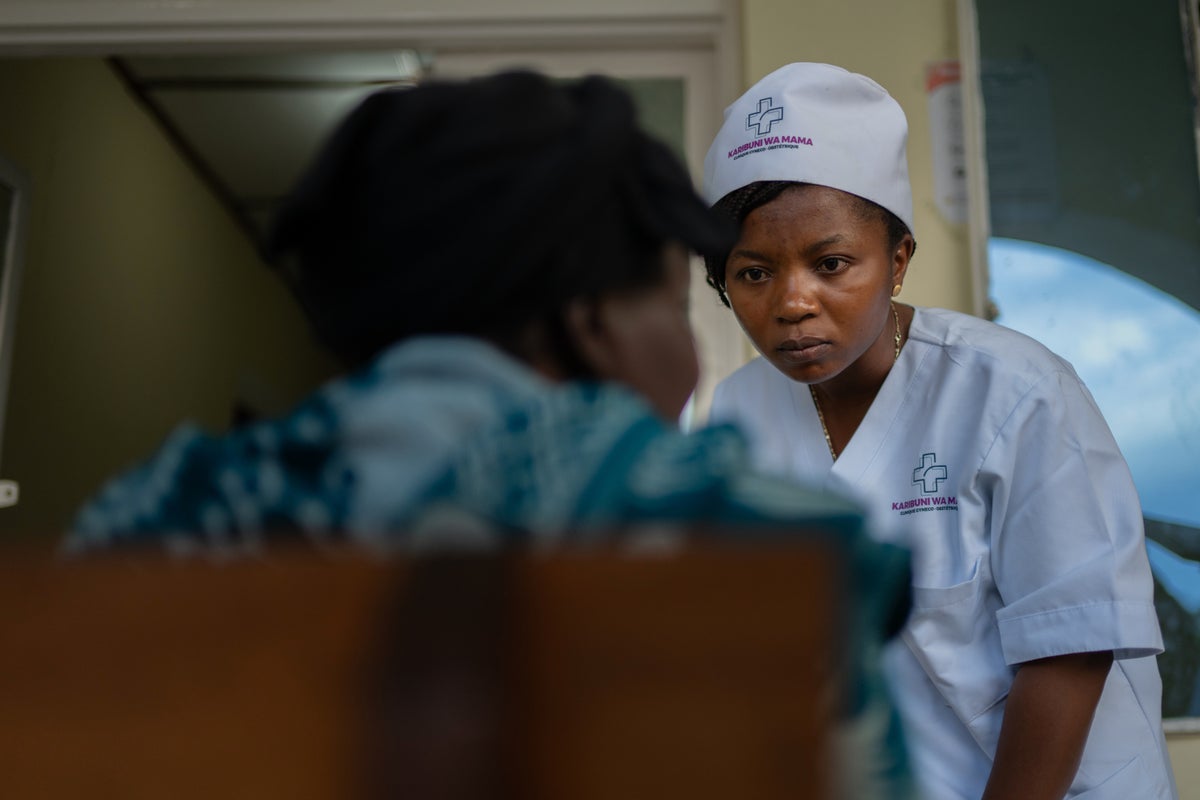
Multiple reports focus on the role of women in eastern Congo as first caregivers during Ebola outbreaks and the heightened risk they face. In households where an Ebola case appears, women are frequently the ones who provide day-to-day support before formal medical teams arrive, including helping sick relatives, managing basic care, and participating in last steps of home-based caregiving.
Because Ebola spreads through contact with bodily fluids, this early caregiving can expose women to infection, often in settings with limited protective equipment and limited training. The sources emphasize that women’s central role in family care means they are more likely to come into direct contact with someone who is ill, increasing their vulnerability relative to other household members.
The coverage also underlines that prevention and response efforts need to account for these caregiving realities. This includes recognizing women’s exposure risks and ensuring they have access to information, protective measures, and safe pathways to receive and provide care while reducing contact-related transmission.