


Recent developments in eastern Democratic Republic of the Congo underscore that Ebola outbreaks are typically not controlled by vaccination efforts alone, even when vaccines are used. While vaccination is a key part of controlling transmission, multiple sources note that additional measures are required to break chains of infection and manage outbreaks effectively. Both outlets point to the broader operational and public-health context in which Ebola responses take place, including the need for strong surveillance to quickly detect cases, safe and effective contact tracing, and rapid isolation and treatment for people who become infected. They also highlight that community engagement and trust-building are central to ensuring people cooperate with prevention steps and follow guidance from health workers. The sources further indicate that tensions and challenges in the response can affect how well interventions are implemented. Overall, the reporting emphasizes that successful outbreak control depends on combining vaccination with wider infection-prevention, healthcare capacity, and coordinated public-health measures.
Ebola response in eastern DR Congo highlights limits of vaccines alone
Recent developments in eastern Democratic Republic of the Congo underscore that Ebola outbreaks are typically not controlled by vaccination efforts alone, even when vaccines are used. While vaccinatio...

- Ebola outbreaks in eastern DR Congo illustrate that vaccines alone do not stop transmission.
- Effective surveillance and rapid detection are necessary to control outbreaks.
- Contact tracing and safe management of confirmed cases are key response components.
- Community engagement is required to support prevention and compliance with health guidance.
- Coordinated response measures and operational capacity influence how well control efforts work.
Tensions have recently emerged around the Ebola response in eastern Democratic Republic of the Congo
2 months agoEvents in eastern DRC are a reminder that Ebola outbreaks are rarely controlled by vaccines alone.
2 months ago
Procam launches HDOR “100 Days of Running” to build movement habits
Procam launches “HDOR – 100 Days of Running,” a programme designed to help people turn 100 days of movement into lasting...
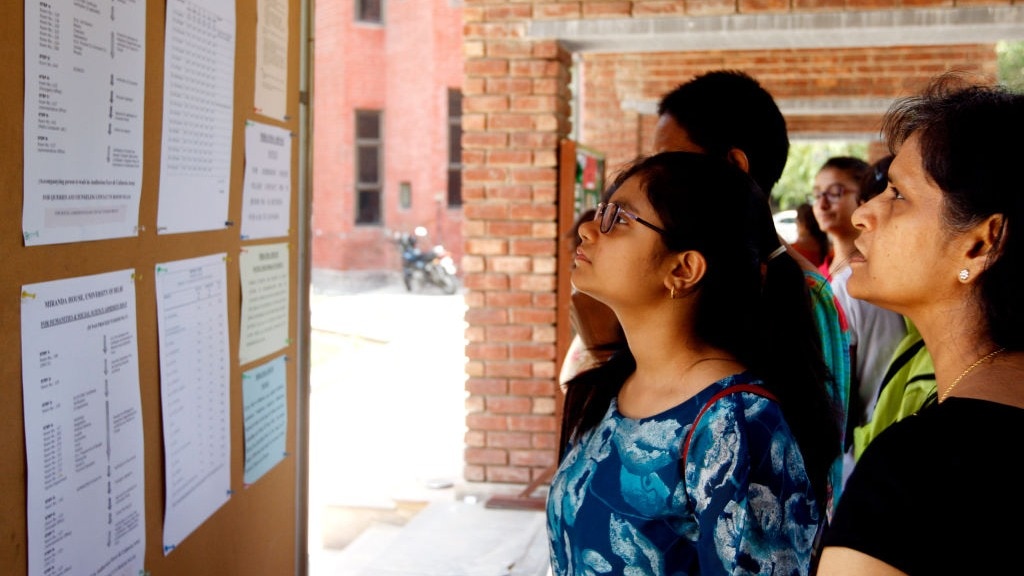
SBI declares PO prelims 2026 result on sbi.bank.in; mains set for September 12
The State Bank of India (SBI) has released the Probationary Officer (PO) Prelims Result 2026 for candidates who took the...
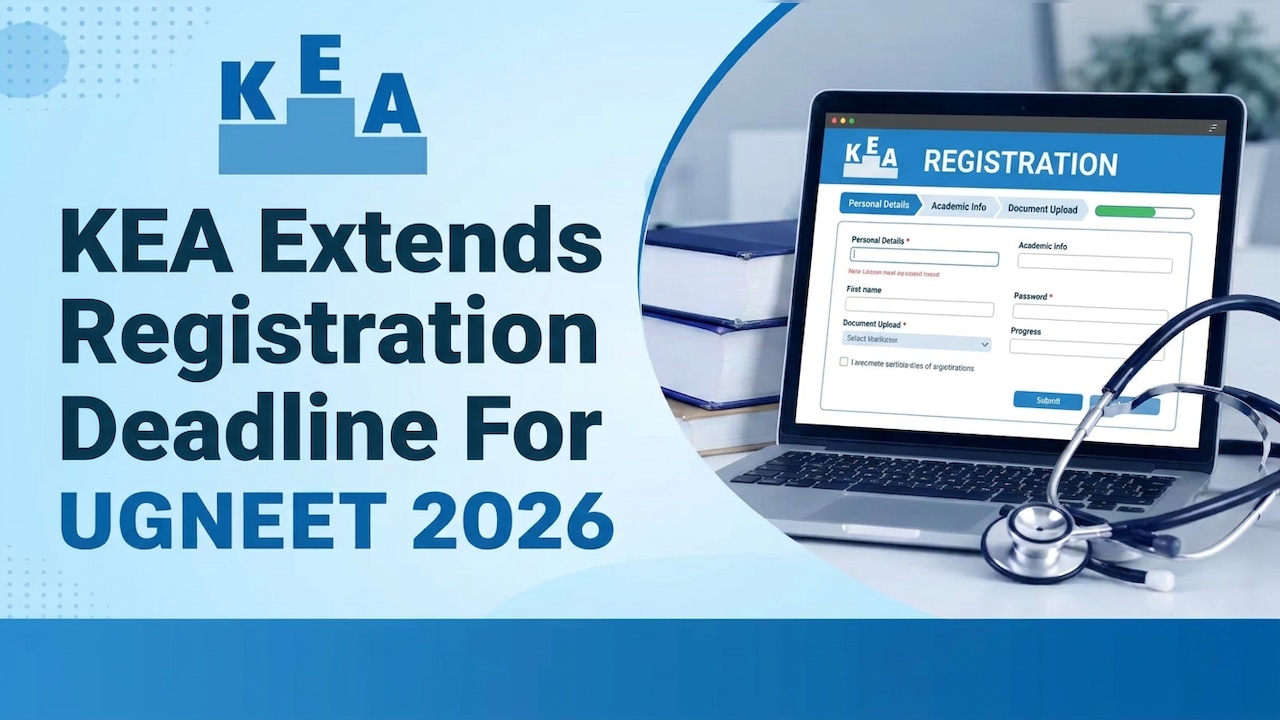
KEA extends UGNEET/UGCET deadlines and NEET roll-number linking for Karnataka medical admissions
The Karnataka Examinations Authority (KEA) extends registration-related deadlines for UGNEET/UGCET 2026 and updates part...