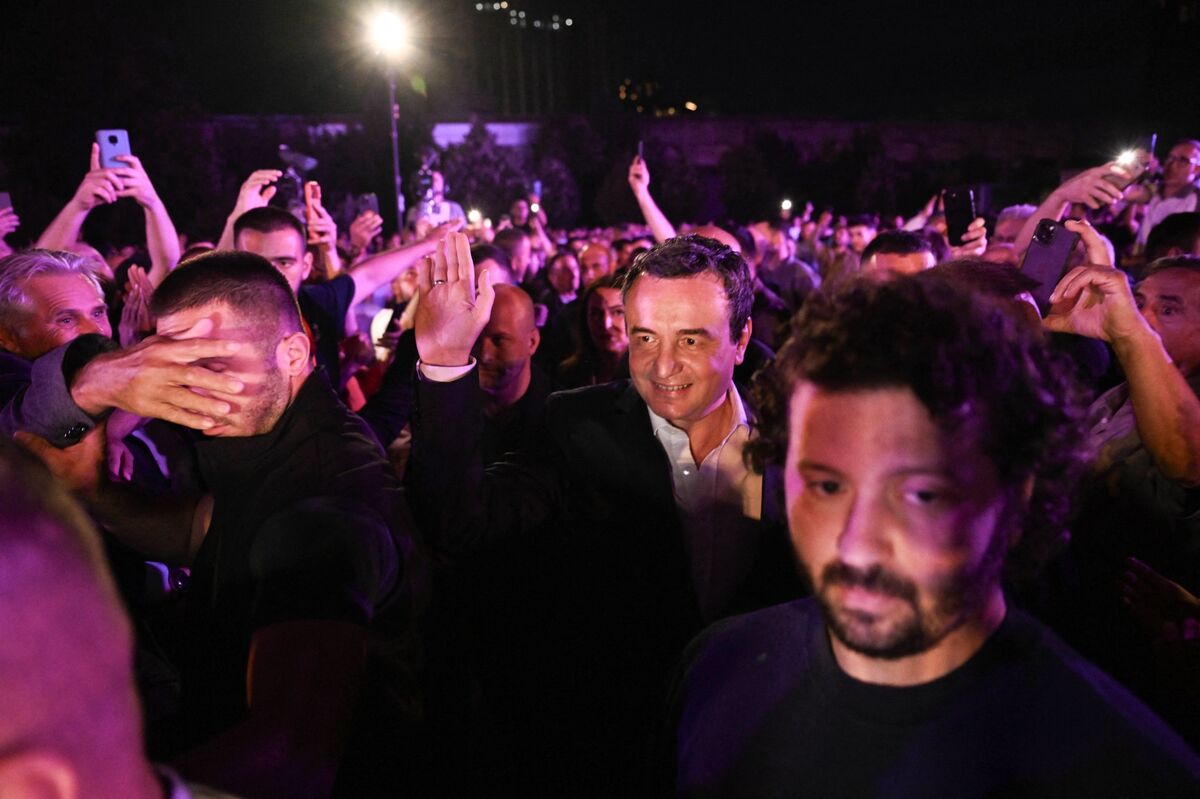
Kosovo holds another early parliamentary election this weekend, the third in less than 18 months, as political parties fail to resolve a continuing deadlock over forming leadership and governing the country. Several outlets describe the election as an attempt to break the impasse after inconclusive parliamentary elections earlier this period. The vote follows a broader governance crisis in which parties are unable to agree on key positions, leaving the political system stalled.
Coverage also highlights the impact of the standoff beyond politics. Deutsche Welle and other reports say the prolonged crisis weighs on Kosovo’s economy, which is already struggling. Deutsche Welle additionally reports low voter turnout.
Bloomberg and other outlets link the political paralysis to stalled progress on Kosovo’s international objectives, including improving relations with Serbia and seeking European Union support. Balkan Insight reports that the campaign includes allegations that public resources are being used to influence voters.
Overall, the election is presented as a further test of whether political leaders can secure a workable majority and move beyond the repeated cycle of elections.