


Researchers writing about the Arctic and sub-Arctic say that scientific study needs to be rethought as attention to the region grows. Both outlets emphasize that the Arctic is not only a research frontier: communities already live there, produce knowledge, and exercise forms of self-governance. They argue that renewed geopolitical tensions and economic interest are increasing outside involvement, which can shape what questions get asked, what methods are used, and whose perspectives are prioritized. The articles call for academic research to better support people who live in and rely on the Arctic, rather than treating local residents mainly as subjects of study. This includes recognizing local and community knowledge as part of how understanding is generated, and ensuring research is connected to the practical needs of those communities. Overall, the sources frame the current moment as an opportunity to align Arctic research with the realities of existing governance, livelihoods, and knowledge production, while accounting for the effects of heightened international attention.
Researchers urge new approaches to studying the Arctic amid rising geopolitical and economic interest
Researchers writing about the Arctic and sub-Arctic say that scientific study needs to be rethought as attention to the region grows. Both outlets emphasize that the Arctic is not only a research fron...

- The Arctic and sub-Arctic are inhabited regions with communities that live there and produce knowledge.
- Local communities exercise forms of self-governance.
- Rising geopolitical tensions increase renewed attention and involvement in the region.
- Economic interest is also driving greater focus on the Arctic.
- Researchers argue academic study should better support people who live in and depend on the Arctic.
The Arctic and sub-Arctic are places where communities already live, produce knowledge and self-govern. Yet recent geopolitical and economic involvement are bringing renewed interest in the region.
2 months agoGiven increasing geopolitical tensions and economic interest in the region, how can academic research support those who live in and depend on the Arctic?
2 months ago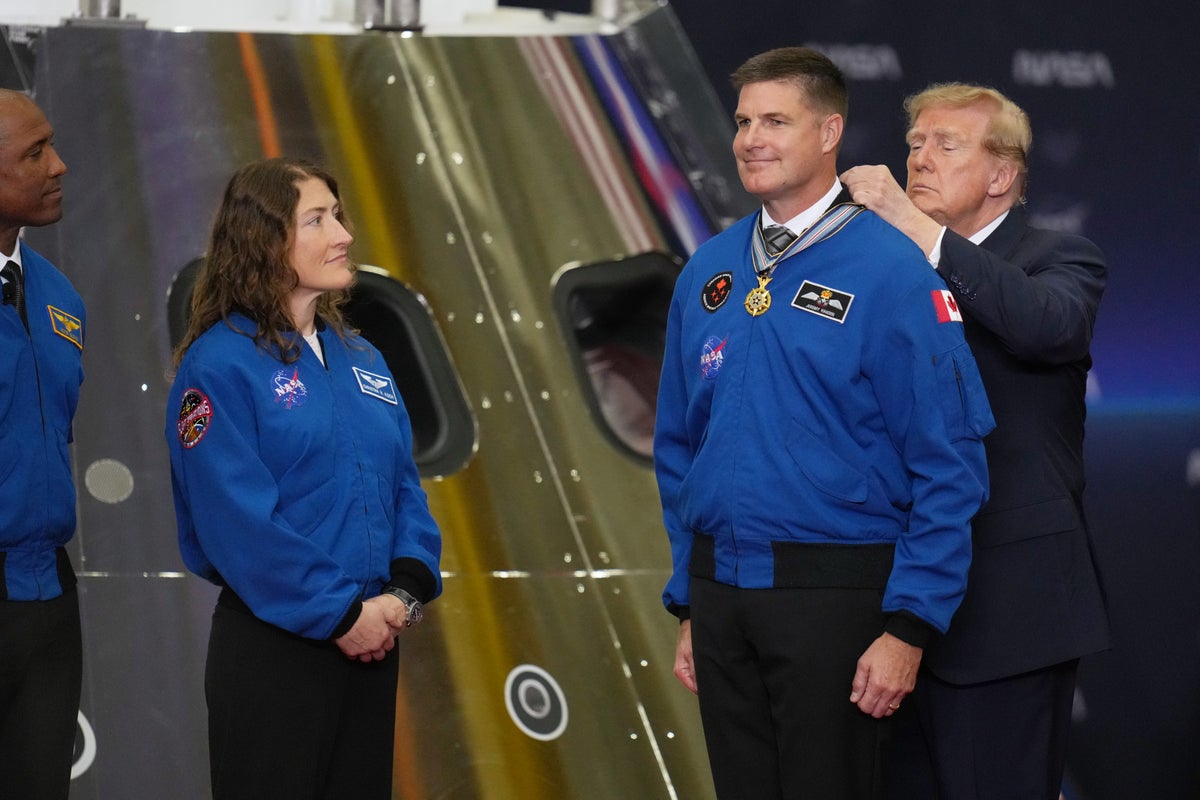
Artemis II astronauts awarded nation’s highest space honour
Artemis II astronauts who completed a crewed mission around the Moon earlier this year receive the nation’s highest spac...
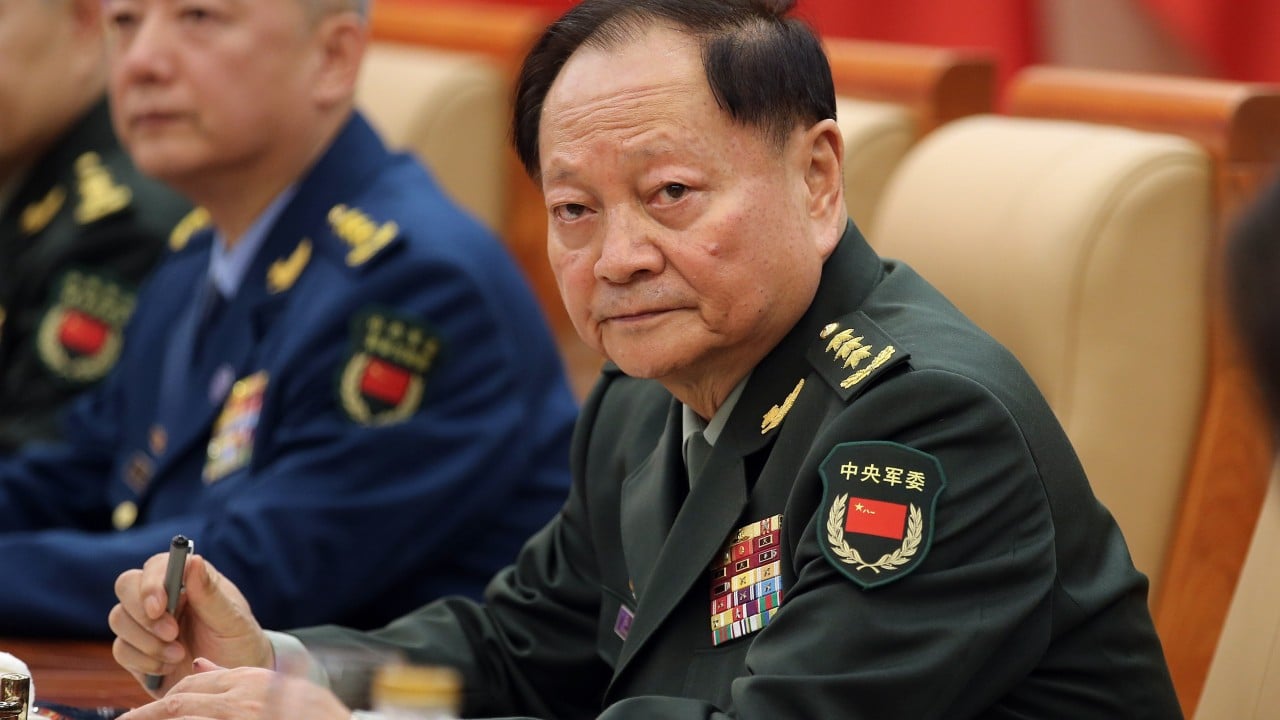
China removes Zhang Youxia and Liu Zhenli from Central Military Commission, state media reports
China formally removes former senior generals Zhang Youxia and Liu Zhenli from membership in the Central Military Commis...
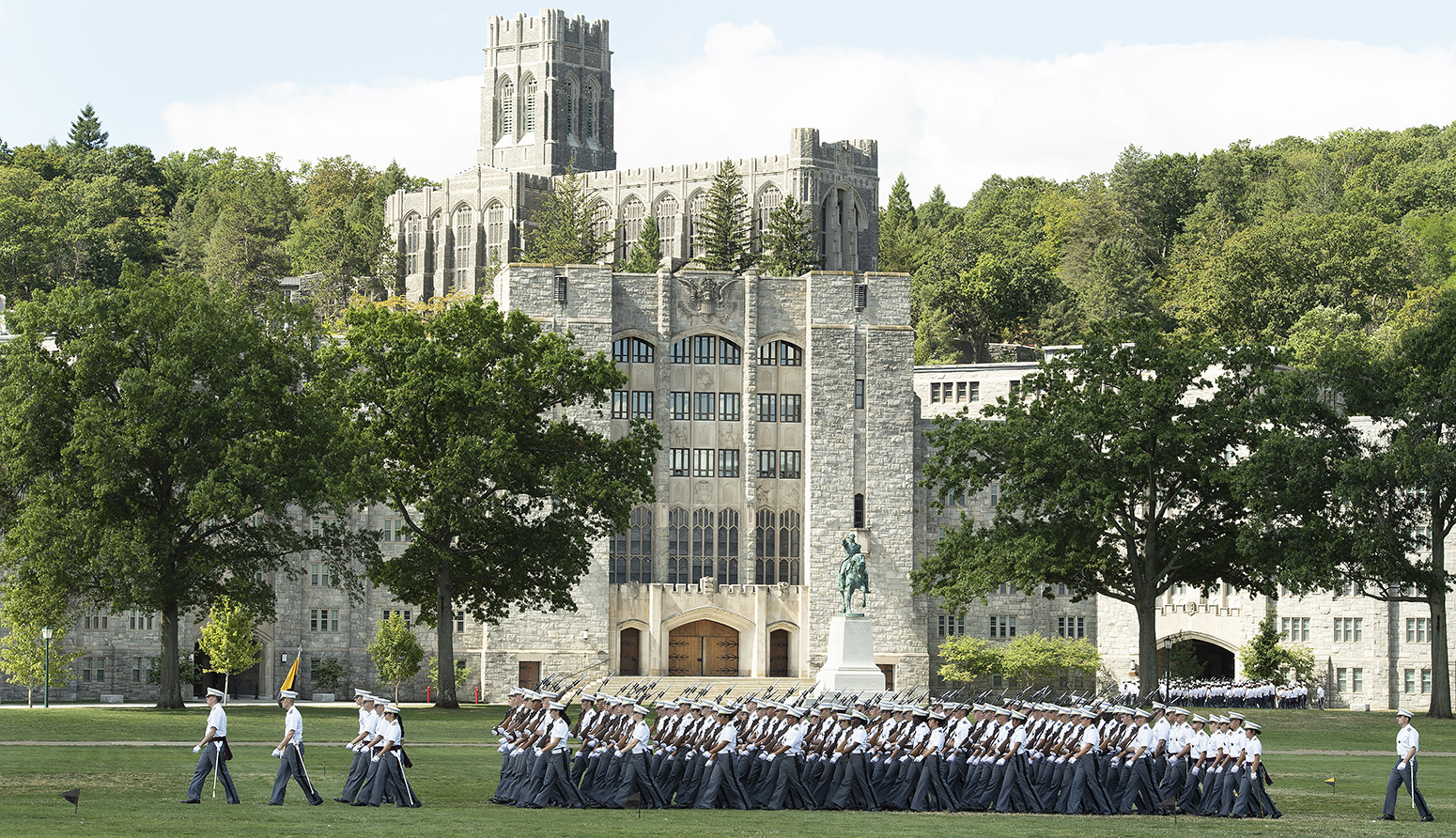
West Point Climate Professor Fired After Refusing Order to Stop Teaching Human Causes, Lawsuit Says
A professor at the U.S. Military Academy at West Point is suing the academy, alleging he was fired after refusing to sto...