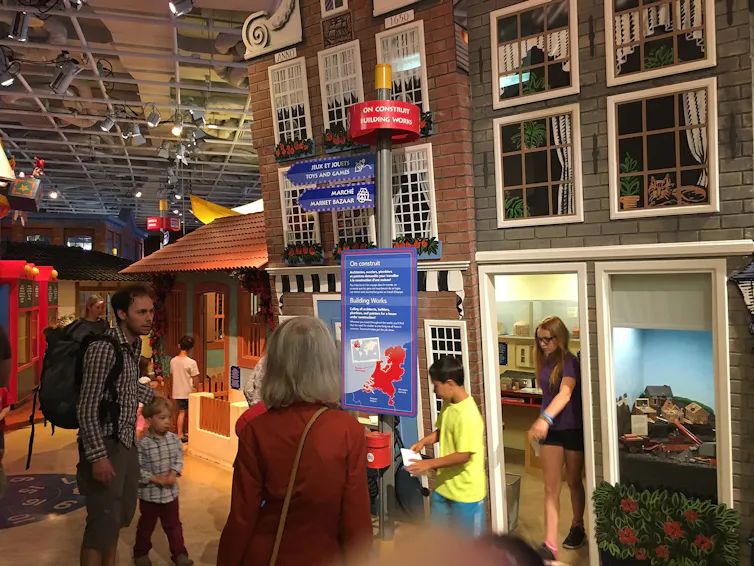
Multiple sources discuss how adults can strengthen children’s development by responding to children’s curiosity during museum visits. The central idea is that when adults pay attention to what children notice—asking questions, pointing out details, and exploring exhibits—they create conditions for learning and engagement. Rather than directing the experience primarily toward adult expectations, the guidance emphasizes following children’s leads and building on their interests in the moment.
One source frames the approach as a practical strategy for families, particularly as the school year ends and parents look for enriching summer activities, including visits on rainy days. The museum setting is presented as a low-pressure environment where children can investigate objects and ideas and where adult participation can help maintain curiosity rather than stifle it.
Across the pieces, the shared message is that thoughtful adult responsiveness—listening, encouraging questions, and connecting observations to broader concepts—supports ongoing curiosity and allows ideas to circulate across generations.