


New research indicates that the asteroid impact associated with the dinosaur extinction also creates long-lasting underground conditions that could have supported life. Multiple sources report that the impact formed an environment beneath Earth’s surface capable of sustaining microbial activity. The study suggests this habitable underground habitat persisted far longer than earlier estimates, with a duration of about 8 million years. Earlier models had implied a shorter window for the formation and persistence of these post-impact conditions. According to the reports, the underground environment likely benefited from sustained heat and chemical processes driven by the aftermath of the impact, allowing water and energy sources to remain available for a prolonged period. The findings connect the catastrophic end of the dinosaurs to the potential for continued habitability below ground, emphasizing that the effects of the impact extend beyond surface extinction. The researchers present the work as evidence that impact-driven geology can produce environments suitable for life, at least in subterranean settings, for millions of years following such an event.
Asteroid impact site may have supported underground life for millions of years
New research indicates that the asteroid impact associated with the dinosaur extinction also creates long-lasting underground conditions that could have supported life. Multiple sources report that th...

- The asteroid impact linked to the dinosaur extinction may also create a subsurface habitat for life.
- The underground environment is suggested to persist for about 8 million years.
- The estimated duration is longer than previously suspected based on earlier research.
- The study attributes the persistence to post-impact conditions that support ongoing underground habitability.
- The research focuses on the impact’s longer-term effects beneath Earth’s surface rather than only surface extinction.
The asteroid impact that triggered the extinction of the dinosaurs may also have created one of Earth's most enduring habitats for life.
2 months agoThe asteroid that caused the extinction of the dinosaurs also created an underground environment suited to supporting new life, and new research suggests it lasted for millions of years longer than previously suspected.
2 months ago
NASA launches Roman Space Telescope on SpaceX Falcon Heavy for dark universe mapping
NASA launches its Nancy Grace Roman Space Telescope on Sunday aboard a SpaceX Falcon Heavy rocket from Kennedy Space Cen...

Researchers reconstruct face of “Conquest Man” from remains dating to Norman England
Researchers reconstruct the face of a man dubbed “Conquest Man” from human remains believed to date to the period around...
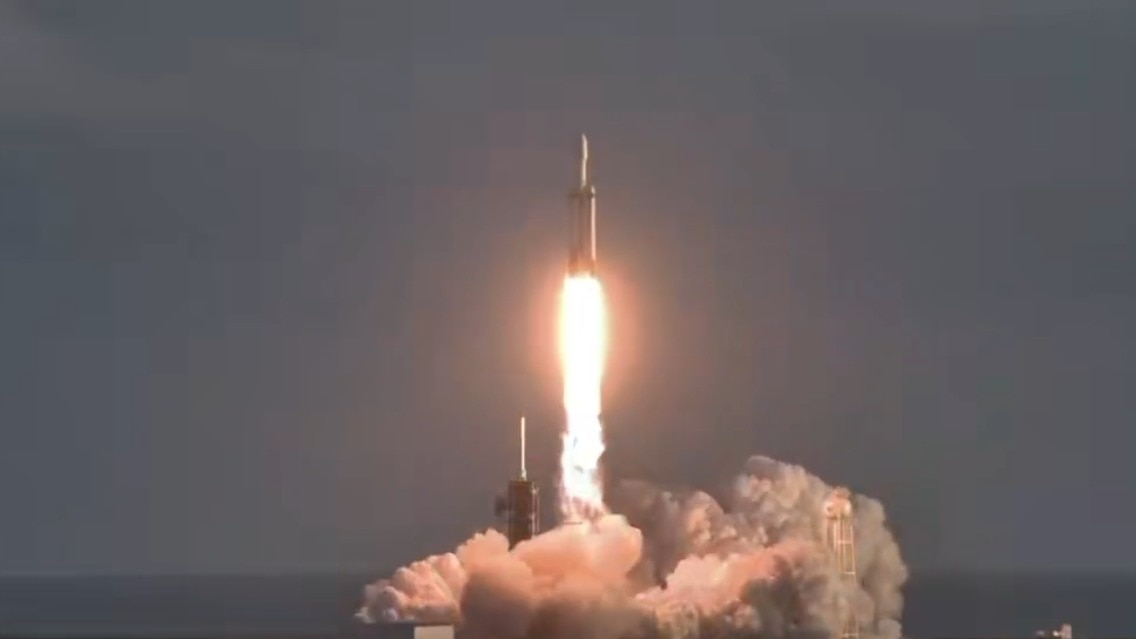
NASA Launches Nancy Grace Roman Space Telescope on SpaceX Falcon Heavy
NASA launches the Nancy Grace Roman Space Telescope into orbit on a SpaceX Falcon Heavy rocket, starting its mission to...