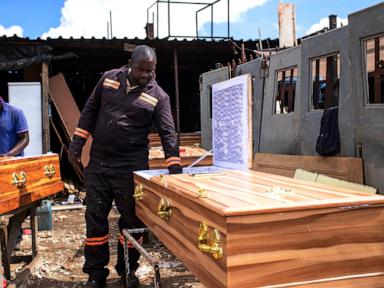
In countries including Zimbabwe, some burial societies are shifting from their traditional role of funding funerals to also providing day-to-day support for members, according to multiple reports. As households face pressures such as unstable incomes, rising costs, and broader economic hardship, the societies increasingly function as informal safety nets. Rather than limiting benefits to funeral-related expenses, they may help cover routine needs that members struggle to afford, effectively linking end-of-life support with broader community welfare.
The reports describe these organizations as community-based groups that collect contributions and pay out when members face death-related costs, while also responding to other forms of hardship that affect survival and health. In this way, the societies are portrayed as lifelines that strengthen social ties and reduce the immediate financial burden that crises can create for families.
While details vary by location and organization, all accounts emphasize the same trend: burial societies are adapting to changing local conditions by extending assistance beyond burials to help members cope with everyday emergencies.