


Scientists report discovering a deep-sea “whale graveyard” where whale carcasses that sank millions of years ago have helped sustain rich marine ecosystems. According to coverage from multiple outlets, researchers describe the site as a seafloor area with extensive whale-fall remains and abundant associated life forms. The findings indicate that nutrients released by decaying whale bodies continue to support complex communities long after the original animals arrive on the ocean bottom. Reported observations include diverse organisms living in and around the fossilized or preserved carcass material, illustrating how whale falls can function as long-lasting habitats in the deep ocean. The research is presented as evidence that whale carcasses play an important ecological role beyond being a single, temporary food source, and that the resulting habitat can influence biodiversity in deep-sea environments over very long time scales. Details on specific species, the depth of the site, and the methods used are referenced broadly across reports, while the overall conclusion is consistent: the ancient whale graveyard is densely populated and shows how whale-fall ecosystems can endure for millions of years.
Scientists uncover a deep-sea whale graveyard teeming with life
Scientists report discovering a deep-sea “whale graveyard” where whale carcasses that sank millions of years ago have helped sustain rich marine ecosystems. According to coverage from multiple outlets...
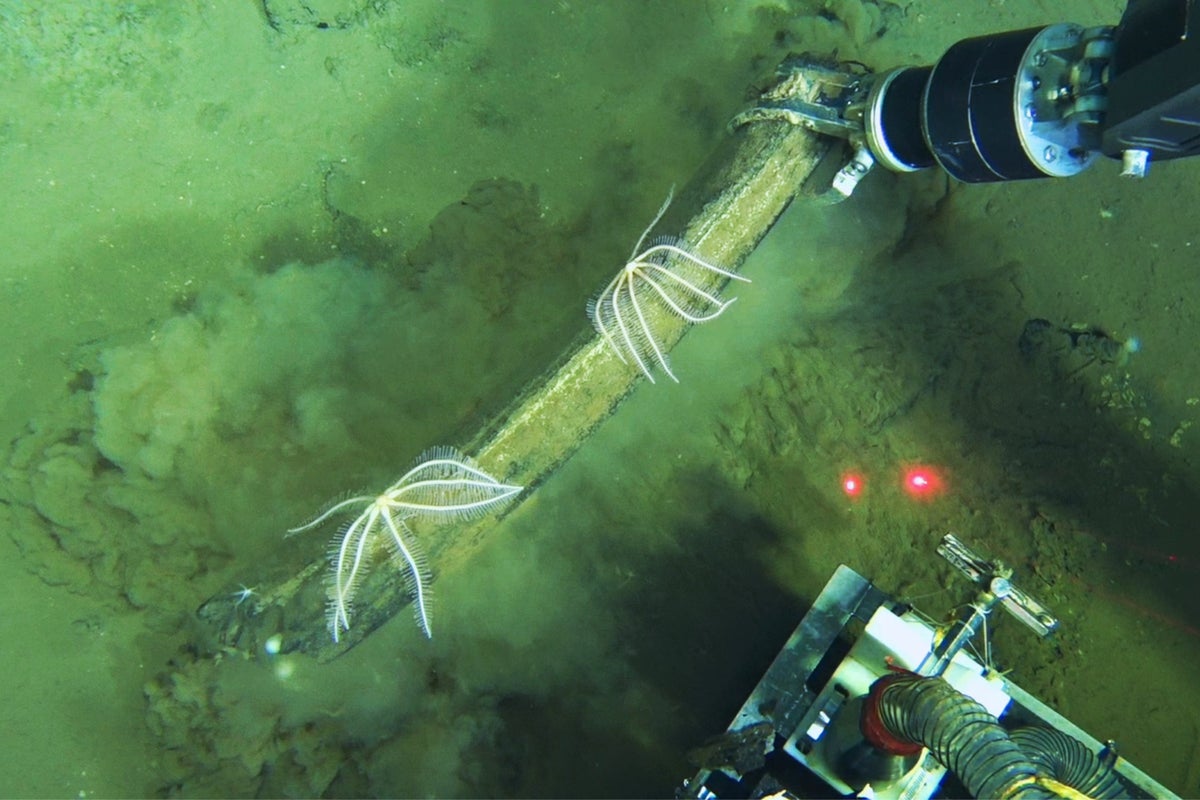
- Researchers identify a deep-sea whale graveyard with remains of whale carcasses.
- The site is described as being “teeming with life” and supporting diverse marine communities.
- The whale-fall environment is presented as persisting for millions of years.
- The findings suggest whale carcasses provide long-term habitat and nutrient support on the seafloor.
- Reports describe the discovery as evidence of whale falls’ ecological importance in the deep ocean.
Scientists have unearthed marine communities thriving on a millions-year-old whale graveyard
2 months ago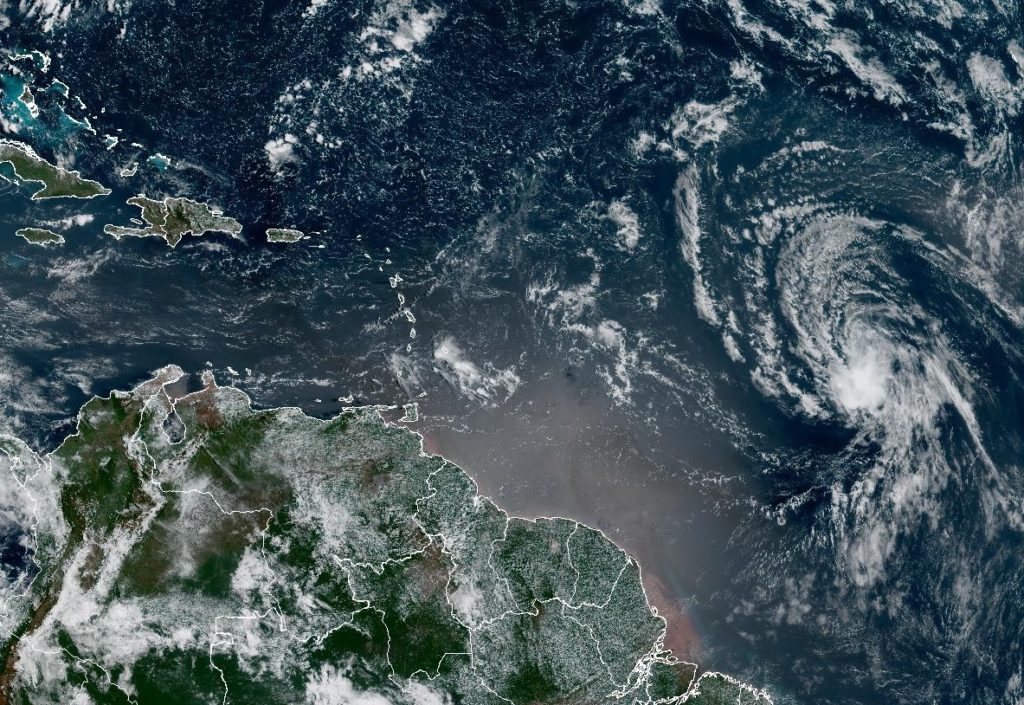
Tropical Storm Dolly forms in the Atlantic as 2026 hurricane season continues
Tropical Storm Dolly forms in the Atlantic on Thursday, becoming the fourth named tropical cyclone of the 2026 hurricane...
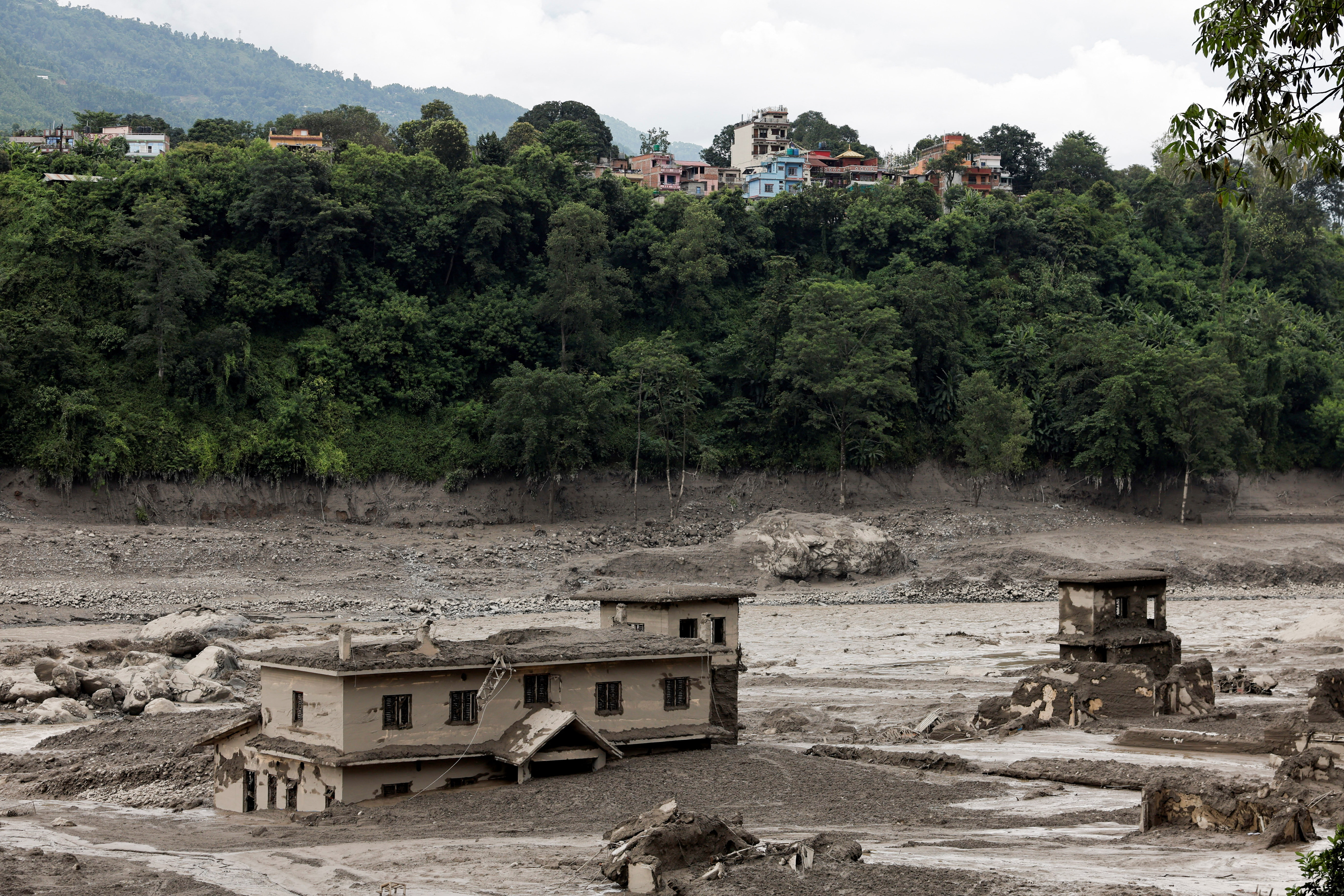
Glacier collapse in Himalayas triggers deadly floods along Nepal-Tibet border
A large chunk of glacier ice breaks off in the Himalayas near the Nepal-China (Tibet) border and triggers a fast-moving...

NASA pilots chase the Moon’s shadow to study solar eclipse corona in Iceland
NASA pilots use a high-altitude research aircraft to position scientists under the Moon’s shadow during the Aug. 12 tota...