


Asian central banks are increasingly confronting currency pressures that originate outside their borders, with policymakers stepping up efforts to limit offshore foreign-exchange (forex) speculation. Bloomberg reports that central banks face rising challenges tied to cross-border market dynamics rather than only domestic factors. The Japan Times adds that the pressure is intensified by several external conditions, including high oil prices, outflows of foreign funds, and a strong U.S. dollar, all of which weigh on regional currencies. In response, policymakers have moved to push back against offshore trading activity that can amplify volatility and weaken currency stability. While the reports focus on the shift toward offshore rather than purely onshore interventions, they align on the broader assessment: currency weakness in Asia is being driven by a mix of global financial flows and macroeconomic headwinds, and central banks are responding by targeting the mechanisms and trading behavior that contribute to offshore speculation. Overall, the coverage describes a more outward-facing approach by central banks to manage currency risks associated with international capital flows and global price pressures.
Asia Central Banks Step Up Efforts to Curb Offshore Currency Speculation
Asian central banks are increasingly confronting currency pressures that originate outside their borders, with policymakers stepping up efforts to limit offshore foreign-exchange (forex) speculation....
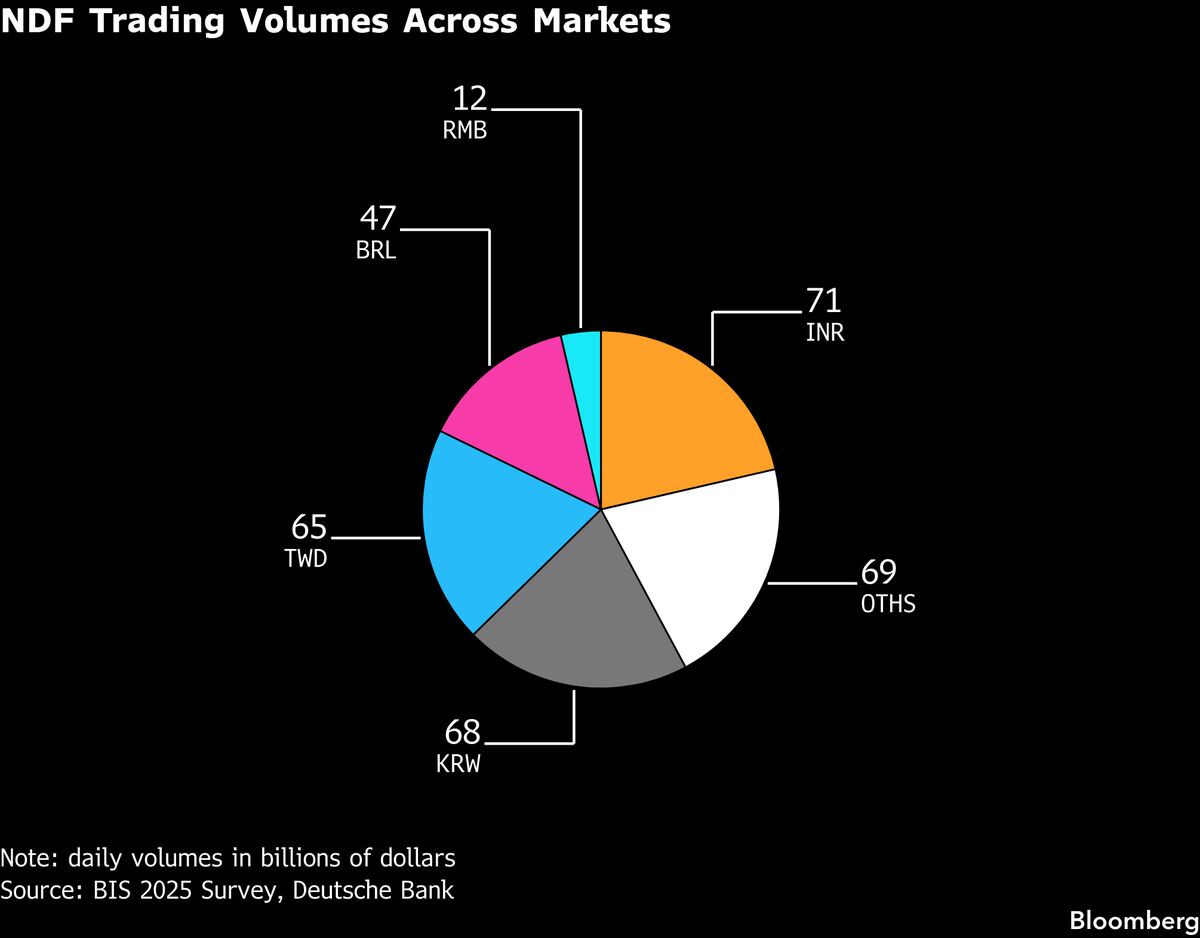
- Asian central banks face currency pressures tied to offshore activity rather than only domestic markets.
- Central banks increase efforts to curb offshore forex speculation.
- External factors cited include high oil prices.
- Outflows of foreign funds are described as contributing to currency pressure.
- A strong U.S. dollar is cited as weighing on regional currencies.
Policymakers have ramped up efforts to curb offshore forex speculation as high oil prices, foreign fund exodus and a strong dollar pressure regional currencies.
2 months agoAsian central banks are increasingly facing currency pressures originating outside their borders.
2 months ago
Miley Cyrus pays tribute to late godmother Dolly Parton after her death at 80
Miley Cyrus posts tributes to her godmother Dolly Parton after Parton’s death at age 80. Multiple outlets report that Cy...

Raksha Bandhan 2026: Puja timings, key rituals, and ways to celebrate
Raksha Bandhan 2026 is observed on Friday, August 28, with sources focusing on both how families perform the ceremony an...

Indian embassy and states issue helplines as Nepal flash floods leave hundreds missing
Flash floods in Nepal have killed people and leave hundreds missing, prompting emergency response efforts and consular s...