El Niño has formed in the Pacific Ocean, and meteorologists expect it to grow to historic or near-record strength, according to multiple reports drawing on U.S. weather agencies and climate scientists. El Niño is a natural warming of parts of the central and eastern equatorial Pacific that alters winds and rainfall patterns, affecting weather worldwide.
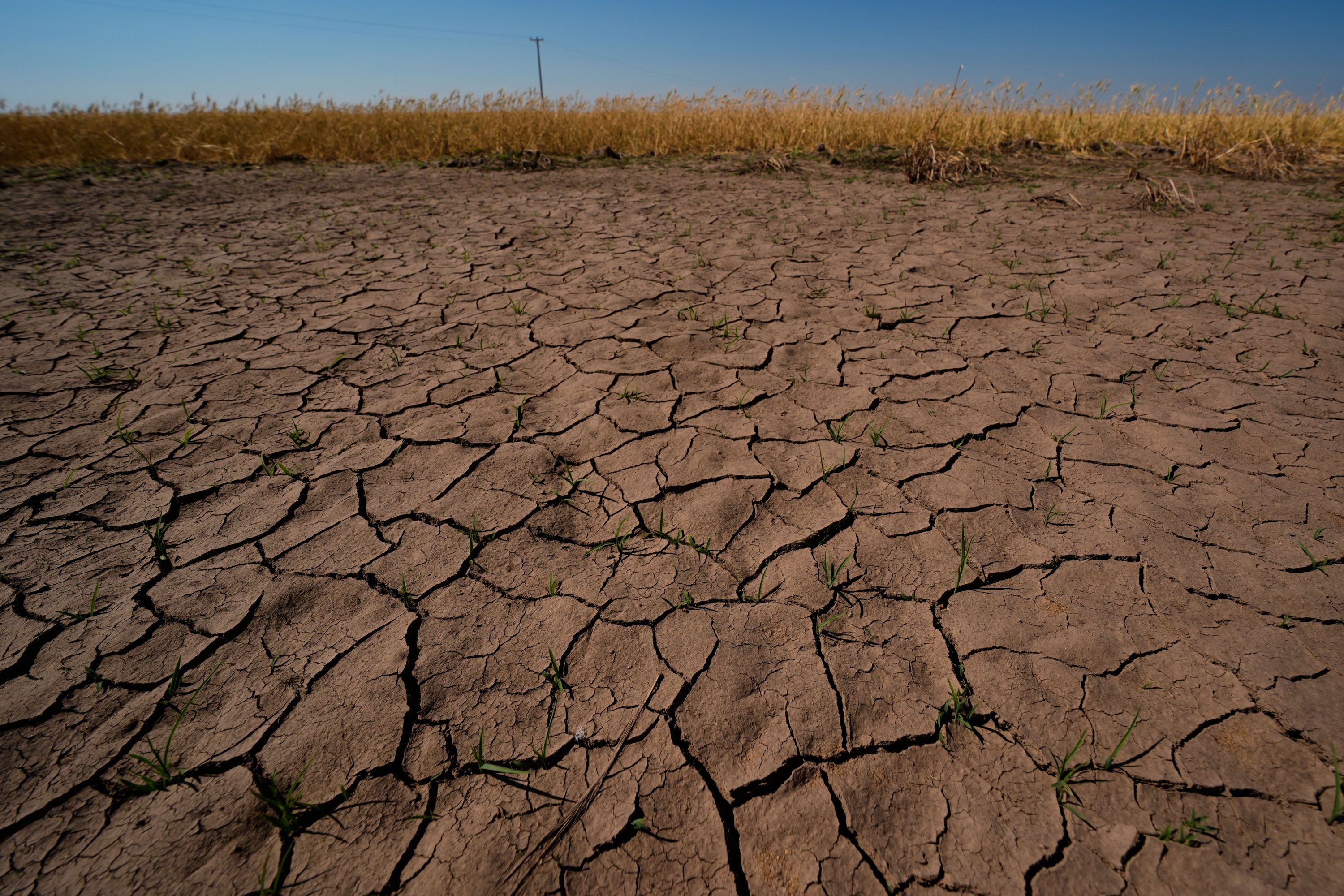
Sources say the current El Niño is developing amid a warmer baseline caused by long-term greenhouse gas pollution from fossil fuel burning. Scientists warn that this combination can intensify heat and increase the likelihood of extreme events. Reported potential impacts include hotter temperatures, droughts in some regions, heavier rainfall and flooding in others, and higher risks of wildfires.
Several outlets note that the expected effects could be felt over the next year or so, with forecasts stretching through the end of the year. Some reports also mention that the strength could rival the 1997 El Niño record, though the degree of impacts varies by location. Overall, the reporting focuses on the formation, anticipated strengthening, and the global weather and climate risks associated with El Niño.