


A new study cited by multiple outlets reports that global sea levels may rise faster than previously expected due to the rapid melting of Antarctic ice shelves from beneath. Researchers analyzing the processes involved in ice-shelf melting conclude that warming ocean waters drive this undercutting more quickly than current assumptions often predict. As ice shelves lose mass, they can contribute to changes in the stability and flow of grounded ice upstream, which in turn can influence sea-level rise. The study, published in or referenced as appearing in *Nature Communications*, emphasizes that ocean-driven melting is a key mechanism that can intensify ice-loss rates. While the reports differ in emphasis and broader warnings, they converge on the central finding: Antarctic ice-shelf melt rates, particularly from below, appear to be faster than expected, implying that sea-level projections may need updating to reflect these dynamics. The claim is presented as a scientific forecast based on the observed and modeled effects of warming seas on ice shelves, with implications for future coastal flooding risk.
Study finds Antarctic ice shelves melt from below faster, potentially accelerating global sea level rise
A new study cited by multiple outlets reports that global sea levels may rise faster than previously expected due to the rapid melting of Antarctic ice shelves from beneath. Researchers analyzing the...

- A study suggests global sea level rise could occur faster than previously expected.
- The mechanism highlighted is rapid melting of Antarctic ice shelves from below by warming ocean waters.
- The study is described as being published in *Nature Communications*.
- Results imply that existing sea-level projections may need revision to account for faster ice-shelf melting.
- The outlets agree the under-ocean melting of ice shelves is a key driver affecting future sea levels.
Rapidly melting ice shelves in Antarctica could trigger global sea levels to rise even faster than expected, scientists have warned.
3 months agoGlobal sea levels may rise faster than previously expected, suggests a new study in Nature Communications. The reason is that warming oceans appear to be melting Antarctic ice shelves from below much more rapidly than expected.
3 months ago
Tropical Storm Karina strengthens into a hurricane in the Pacific, warns of rough seas
Tropical Storm Karina strengthens into a hurricane in the Pacific Ocean, and forecasters say it could develop further th...
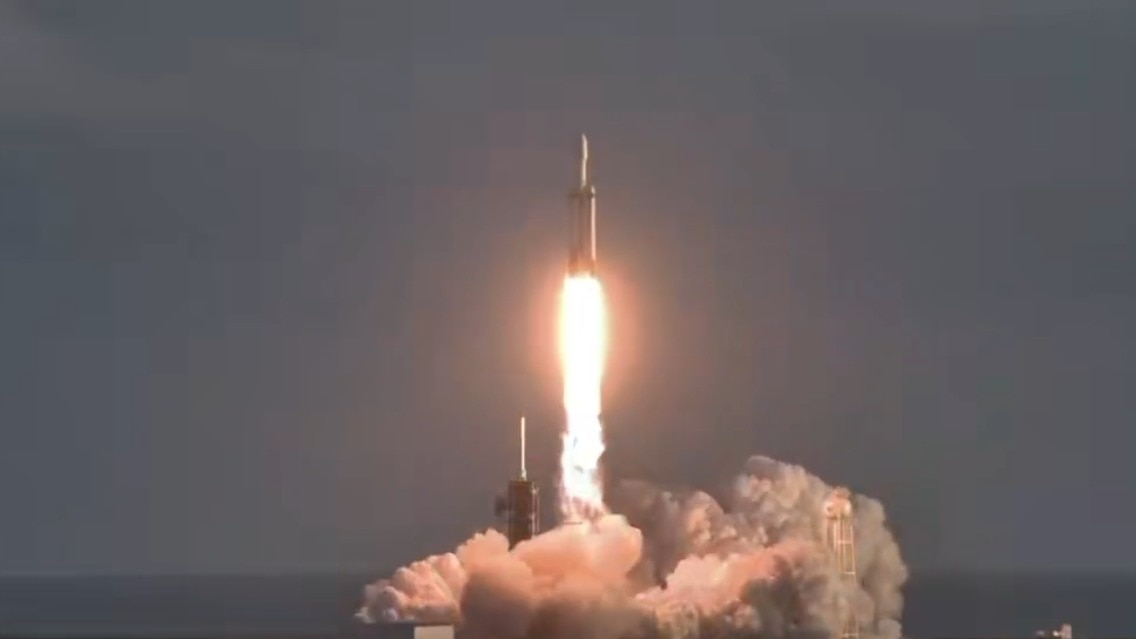
NASA launches Nancy Grace Roman Space Telescope on SpaceX Falcon Heavy
NASA launches the Nancy Grace Roman Space Telescope into space aboard a SpaceX Falcon Heavy rocket. Multiple outlets pro...

NASA launches Roman Space Telescope aboard SpaceX Falcon Heavy for dark universe mission
NASA launches the Nancy Grace Roman Space Telescope on Sunday atop a SpaceX Falcon Heavy, beginning a multi-year mission...