


Some Russian families are using new artificial intelligence tools to create digital likenesses and voices of relatives killed in the war in Ukraine, a practice described by outlets as an attempt to “resurrect” loved ones. The trend is presented as emerging at the intersection of intense personal grief, advances in AI image and voice generation, and ongoing conflict. The recreated content is typically based on existing materials—such as photos, videos, or recorded speech—then used to produce new messages or appearances for relatives. The practice is widely described as controversial, in part because it raises questions about consent, authenticity, and the psychological impact on families seeking comfort. While the BBC notes the phenomenon’s emotional appeal, it also highlights broader concerns about how AI-generated representations could affect public understanding of events and the handling of war-related loss. The reports indicate that, for families involved, the technology can provide a new channel for connection with those they have lost, even as critics question the ethical and social implications of using AI in this context.
Russian families use AI to recreate loved ones killed in Ukraine
Some Russian families are using new artificial intelligence tools to create digital likenesses and voices of relatives killed in the war in Ukraine, a practice described by outlets as an attempt to “r...

- Russian families create AI-generated digital likenesses or voices of relatives killed in Ukraine.
- The practice uses existing media such as photos, videos, or recordings to generate new content.
- The trend is described as emerging amid Russia’s war in Ukraine and recent AI capabilities.
- The approach is widely characterized as controversial due to ethical and authenticity concerns.
- Coverage frames the motivation as tied to grief and attempts to maintain a sense of connection.
The highly controversial trend lies at the intersection of Russia's war on Ukraine, new AI technologies and grief.
2 months agoRussian families use AI to 'resurrect' loved ones killed in Ukraine BBC
2 months ago
Nvidia in talks to acquire Hugging Face in deals reported as over $12.9 billion
Nvidia is reportedly in talks to buy AI startup Hugging Face in a deal that would value the company at about $12.9 billi...
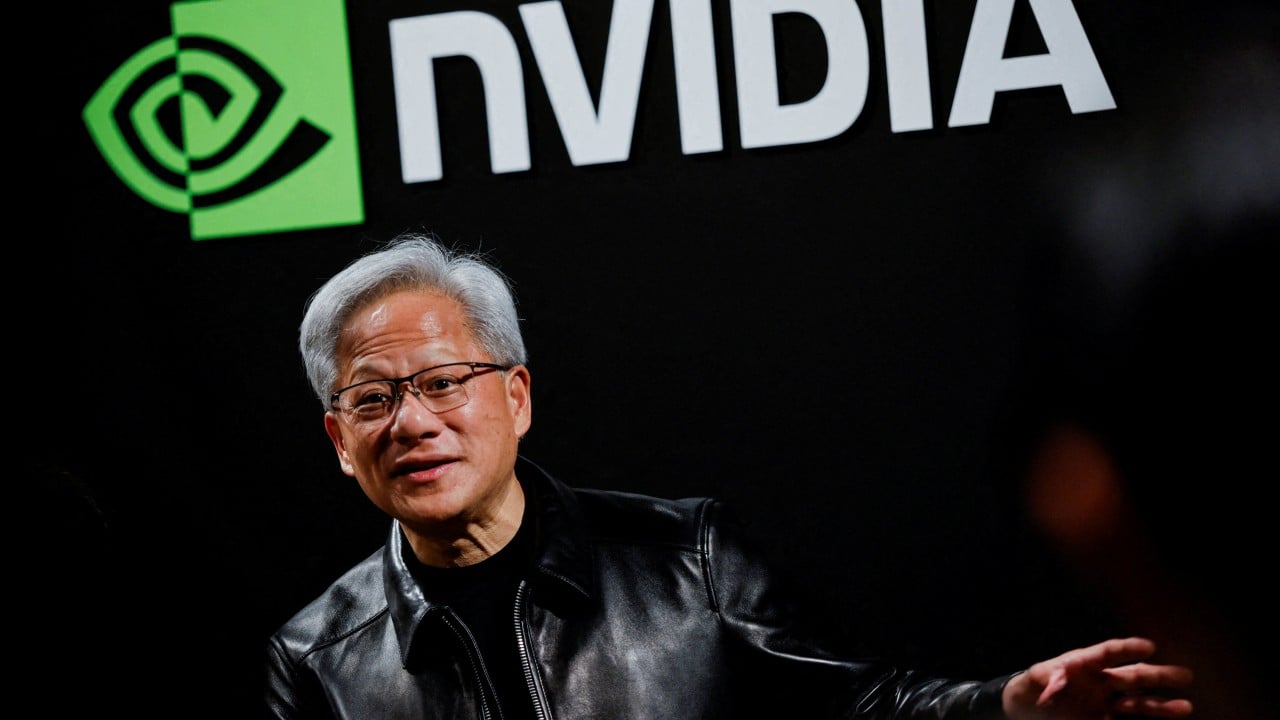
Nvidia resumes limited H200 chip sales in China under US export licensing
Nvidia says it makes its first shipments of H200 data-centre AI processors to customers in China after a months-long gap...

Wordle daily hints and answers published across CNET and Forbes for multiple dates
Multiple outlets publish daily Wordle support pages that include a hint set and the correct solution for that day’s puzz...