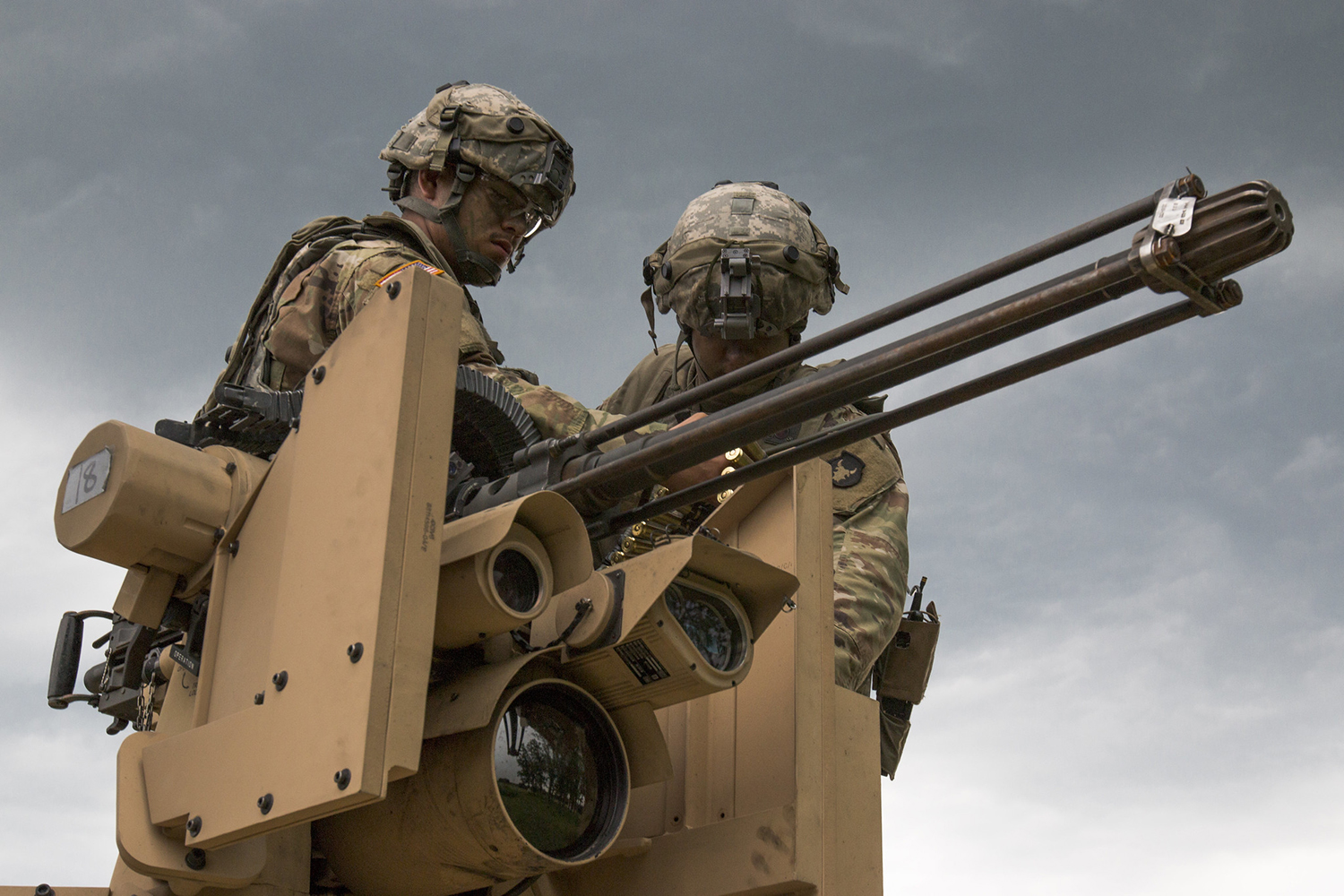
The Pentagon is moving toward using artificial intelligence in targeting systems to help troops detect and engage unmanned aerial threats, according to multiple reports. The approach is designed to speed up threat identification and improve accuracy by having AI sensors distinguish between potential targets and non-threat objects. Officials say the technology can detect threats and classify them—such as differentiating drones from non-threatening items like birds—faster than a human operator can.
While the reports focus on the capability to reduce time-to-decision and improve discrimination, they do not indicate that the systems replace human control entirely. Instead, the emphasis is on assisting operators by handling aspects of detection and classification so troops can respond more quickly when drones are present.
Across outlets, the consistent theme is that AI-supported targeting aims to make counter-drone responses more efficient by reducing false alarms and improving recognition of what constitutes a real threat. The articles describe this as part of the Pentagon’s broader effort to apply AI technologies to operational defense needs involving small, fast-moving aerial targets.