


A reported exoplanet study describes a lava, or highly volcanic, world that has a hydrogen-rich atmosphere and shows signs of ongoing atmospheric activity. The coverage emphasizes that the planet is being considered as an analog for extreme volcanic environments, with the atmospheric composition and current activity forming key parts of the characterization. The research framing compares the target planet’s volcanism to Jupiter’s moon Io, which is primarily heated by tidal forces, while noting that the new planet’s volcanic conditions are instead attributed to intense heating from its host star. The story also presents the work as part of a broader effort to identify and study exoplanets that can serve as close analogs to well-known solar system volcanic bodies. Across the sources, the main points are consistent: the planet is described as a lava-type world with hydrogen-dominated atmospheric content, and the atmospheric behavior indicates it is not static. The reports do not specify observational methods, measurements, or quantitative parameters in the provided text.
Lava planet study finds hydrogen-rich, actively volcanic atmosphere
A reported exoplanet study describes a lava, or highly volcanic, world that has a hydrogen-rich atmosphere and shows signs of ongoing atmospheric activity. The coverage emphasizes that the planet is b...

- The described exoplanet is a lava-type world with an actively volcanic environment.
- Its atmosphere is reported to be hydrogen-rich.
- The planet shows signs of ongoing atmospheric activity.
- The volcanism is attributed to strong heating from its host star, not tidal heating like Io.
- The story frames the planet as an analog to Io for comparative planetary-volcanology research.
It's 2158, and you're chugging away on your Ph.D. in planetary volcanology from the University of Utopia Planitia on Mars. Graduate students still get paid a sub-living wage, so you've been stuck eating freeze-dried ramen for the past three years. You've completed studying Jupiter's moon Io, but now you have to leave the solar system for a good exoplanet analog. While Io's volcanism is caused by tidal heating, you need an exoplanet whose volcanism is caused by extreme heat from its host star. You recently secured funding from the Exoplanet Research Institute for a faster-than-light (FTL) ship, but the exoplanet is required to be less than 50 light-years away.
2 months agoIt’s 2158, and you’re chugging away on your PhD in Planetary Volcanology from the University of Utopia Planitia on Mars. Graduate students still get paid a sub-living wage, so you’ve been stuck eating freeze-dried ramen for the past three years. You’ve completed studying Jupiter’s moon, Io, but now you have to leave the solar system for a good exoplanet analog. While Io’s volcanism is caused by tidal heating, you need an exoplanet whose volcanism is caused by extreme heat from its host star. You recently secured funding from the Exoplanet Research Institute for a faster-than-light (FTL) ship, but the exoplanet is required to be less than 50 light-years away.
2 months ago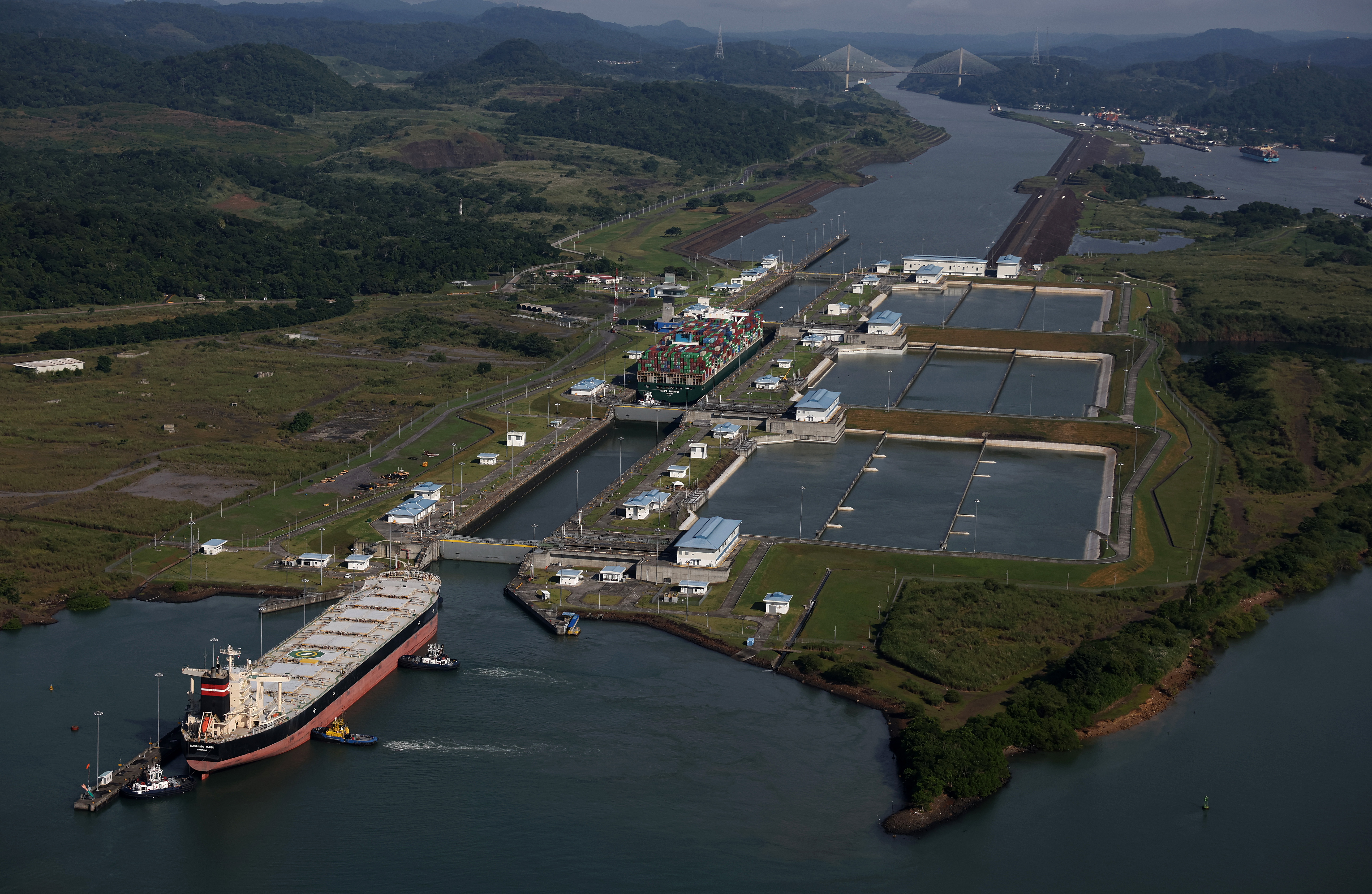
Panama Canal cuts daily transits due to El Niño-fueled drought
The Panama Canal operator reduces the number of ships allowed to transit the waterway because of low rainfall linked to...

Developers cut AI costs by routing requests across models and providers
Multiple Dev.to posts describe how teams and solo builders reduce AI spending and dependence on any single vendor by usi...

Southwest pilot officiates mid-flight wedding for Las Vegas-bound couple
A Southwest Airlines flight headed to Las Vegas turns into a surprise wedding mid-flight, with an onboard ceremony atten...