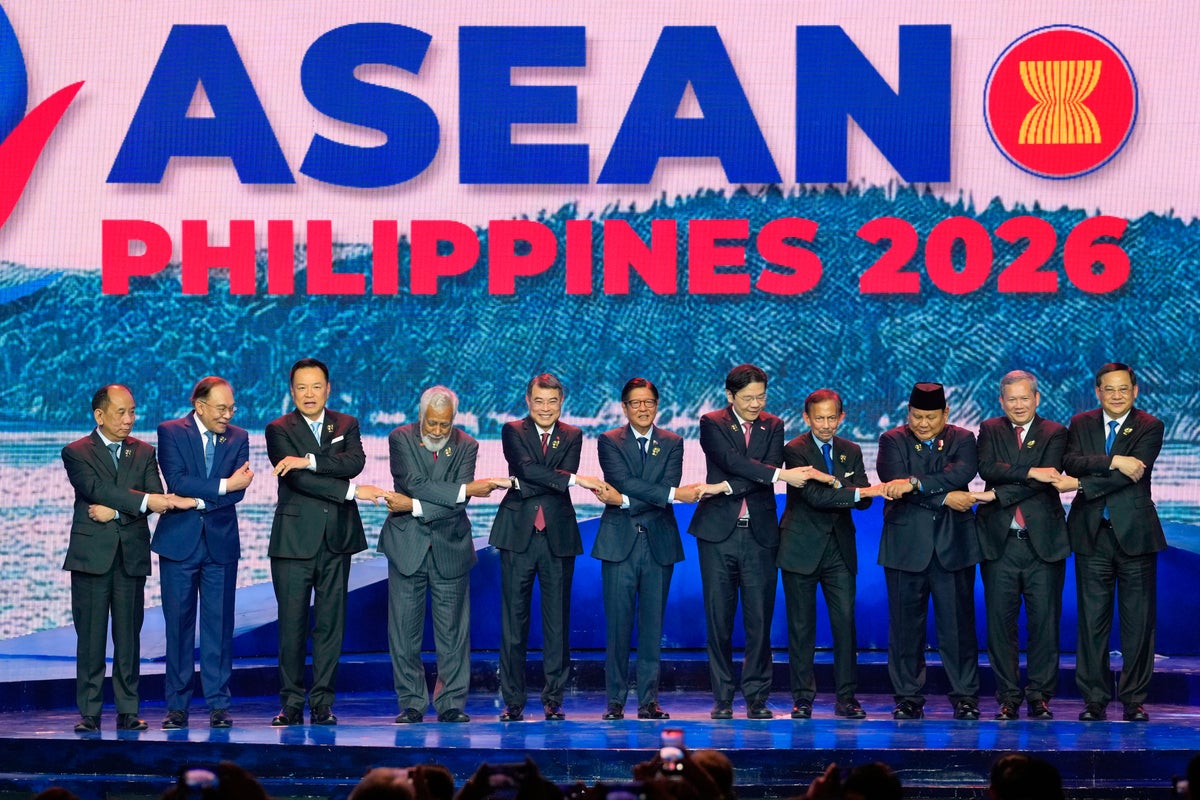
ASEAN leaders meet to discuss a regional crisis plan aimed at mitigating potential backlash and economic impact stemming from the Middle East conflict involving Iran. Sources describe the talks as taking place amid concern that fighting could affect people and markets across Southeast Asia, prompting governments to coordinate responses.
At least one ASEAN minister characterizes the war as an event that “should not have occurred in the first place,” while other officials focus on practical steps to limit disruption. The proposed approach centers on preparedness and contingency measures, including ways to reduce risks to trade, financial stability, and broader social and economic conditions.
While the articles emphasize anxiety over knock-on effects from the conflict, they also indicate that ASEAN’s role focuses on regional coordination and crisis planning rather than direct involvement in the conflict itself. The discussions reflect heightened sensitivity to how overseas geopolitical shocks can translate into local consequences for ASEAN member states, and the need to align government actions to manage those effects.