


Live facial recognition (LFR) cameras piloted in London’s Croydon town centre scan faces in real time to try to match people against watchlists used by police. The technology is reported to lead to quick outcomes, with the trial described as producing multiple matches and arrests over a short period while cameras operate alongside officers on the street. Supporters say LFR helps police identify wanted suspects efficiently. However, watchdogs and critics argue that the governance of the technology is not keeping pace with its deployment. Biometrics commissioners for England and Wales warn that national oversight lags behind developments and that legal frameworks are still insufficient, citing concerns about effectiveness claims, delays to independent audits, and the pace of legislation. Separate reporting also raises privacy concerns, including worries about inappropriate or inaccurate use of face-scanning systems. The sources also mention that shoppers and other members of the public can be falsely identified, alongside allegations that shop-based systems have been misused by staff to add people to watchlists. Overall, the story centers on police use in public spaces and the debate over regulation, civil liberties, and potential bias or mistaken identifications.
Live facial recognition trials in Croydon amid oversight concerns and reports of misidentification
Live facial recognition (LFR) cameras piloted in London’s Croydon town centre scan faces in real time to try to match people against watchlists used by police. The technology is reported to lead to qu...

- Live facial recognition is deployed in public spaces in London and is described as producing real-time matches that can lead to arrests.
- Biometrics watchdogs say oversight and regulation in England and Wales are not keeping pace with the technology’s rapid growth.
- Independent audit work on the Metropolitan Police’s facial recognition use is reported as postponed or delayed.
- Concerns raised across sources include misidentification (false matches) and risks to privacy and civil liberties.
- Some reports also describe potential misuse of retail face-scanning systems to place people on watchlists.
Once again, digital tools are running ahead of regulators. Civil liberties must not be sacrificed to policing It is a familiar story. Extravagant claims are made on behalf of novel computerised tools. The public are told that this or that digital application or system is going to change the world for the better. Efficiencies will be unlocked and problems solved as human limitations are overcome by networked devices plugged into vast stores of data. Anyone who questions the narrative is a pessimist or, perhaps, a criminal.This appears to be the logic behind arguments put forward on behalf of one such tool – live facial recognition technology. Law-abiding citizens have “nothing to fear” from the police’s increased reliance on mounted cameras, said the Home Office minister, Sarah Jones, last month, after a high court challenge brought on human rights and privacy grounds failed. The use of AI-powered identification software, made by the Japanese company NEC, “only locates specifically wanted people”, she added. Last year, Ms Jones described the technology as “the biggest breakthrough for catching criminals since DNA”.Do you have an opinion on the issues raised in this article? If you would like to submit a response of up to 300 words by email to be considered for publication in our letters section, please click here. Continue reading...
3 months agoPolice got several matches during trial in London borough – but where some see progress on crime, others see violation of privacyAI facial recognition oversight lagging far behind technology, watchdogs warnShoppers falsely identified by facial recognitionHow does live facial recognition work?It happened in a flash outside Barclays in Croydon town centre. A digital trap snapped shut around one of Britain’s thousands of wanted criminals. In little over a minute, a combination of high-definition cameras, automated AI face scanning and half a dozen police officers had run a wanted man to ground.After the handcuffs clicked shut, the Metropolitan police’s controversial live facial recognition (LFR) cameras had chalked up another arrest: the fifth in 45 minutes on a regular Thursday morning. Continue reading...
3 months agoExclusive: Biometrics commissioners say face-scanning not as effective as claimed and new laws needed to regulate useHow does live facial recognition work and how many police forces use it? Guilty until proven innocent: shoppers falsely identified by facial recognitionBritain’s biometrics watchdogs have warned that national oversight of AI-powered face scanning to catch criminals is lagging far behind the technology’s rapid growth.With the Metropolitan police almost doubling the number of faces they scan in London over the past 12 months and a rising use of the technology by retailers in the UK, Prof William Webster, the biometrics commissioner for England and Wales, said the “slow pace of legislation was trying to catch up with the real world” and “the horse had gone before the cart”.An independent audit of the Met’s use of facial recognition technology (FRT) has been indefinitely postponed after the police requested delays.Polling shows 57% of people believe the systems are “another step towards turning the UK into a surveillance society”.A whistleblower claimed shop-based face-scanning systems had sometimes been misused by shop or security staff “maliciously” adding members of the public to watchlists. Continue reading...
3 months agoTechnology has been deployed since 2020 in London, leading to concerns over data privacy and racial biasAI facial recognition oversight lagging far behind technology, watchdogs warnGuilty until proven innocent: shoppers falsely identified by facial recognitionThe Labour government thinks facial recognition technology is “the biggest breakthrough for catching criminals since DNA matching”. It wants all police forces to use it and recently announced 40 new vans rigged with live facial recognition cameras to be deployed in town centres across England and Wales.Supporters say it streamlines police work and catches criminals. Opponents fear it violates civil liberties and can be biased against minorities. Continue reading...
3 months ago
Meta agrees up to about $17B settlement over alleged harms of Facebook and Instagram to children
Meta agrees to pay up to roughly $16.7 billion in a multistate settlement resolving claims that Facebook and Instagram h...
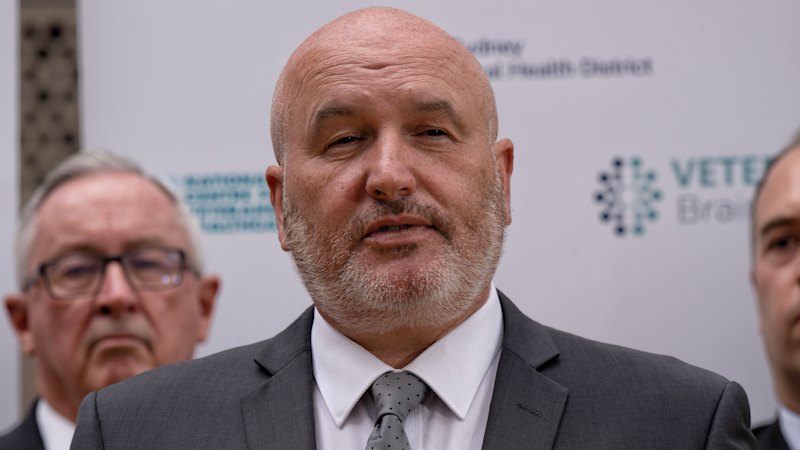
ICAC Operation Rosny hears evidence as officials and Liberal figures appear
Independent Commission Against Corruption (ICAC) hearings for “Operation Rosny” continue as the investigation into alleg...

Astropad launches Rock Paper Pencil 4.0 with graphite-style Apple Pencil tip
Astropad releases Rock Paper Pencil 4.0, an updated iPad accessory that pairs a removable screen protector with replacem...