


Bolivia’s President Rodrigo Paz declares a state of emergency as road blockades and protests disrupt transport across the country. Multiple outlets report that the crisis has intensified since April, with demonstrators cutting off key roads and causing widespread disruption to supplies. Reports say blockades have isolated La Paz and contributed to acute shortages of fuel, food, and medicine in major cities. The protests involve unions, Indigenous groups, and coca farmers, and they include the use of debris and materials to obstruct roads. Several sources link the unrest to opposition to Paz’s austerity measures, with protests growing over several weeks. Under the emergency declaration, the government moves to restore access by using security forces. One outlet says the emergency authorizes broader military powers to remove road blockades, and another reports that soldiers and bulldozers are deployed to clear anti-government roadblocks. The economic impact and risk of political instability are also cited, with the disruptions described as threatening the stability of Paz’s government. The emergency is presented as a government response to the blockades and their effects on essential goods and services.
Bolivia declares state of emergency amid widening blockade crisis
Bolivia’s President Rodrigo Paz declares a state of emergency as road blockades and protests disrupt transport across the country. Multiple outlets report that the crisis has intensified since April,...
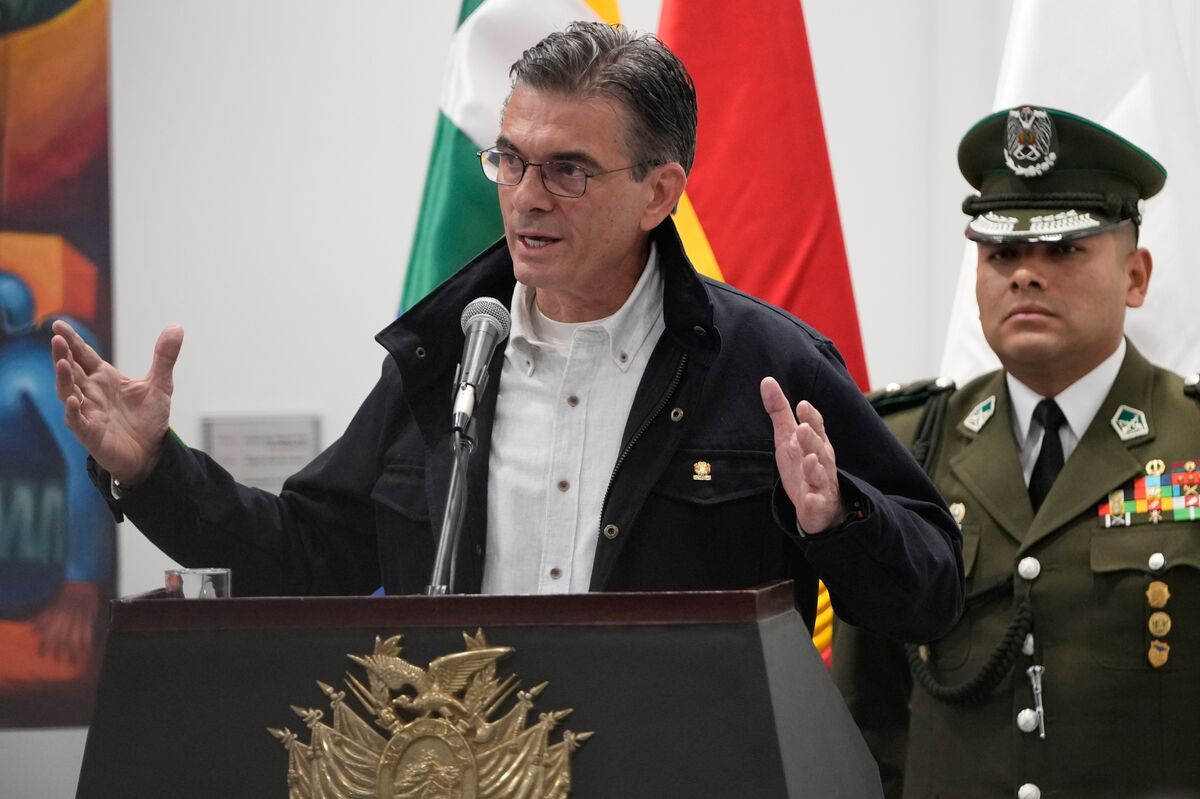
- Bolivia’s President Rodrigo Paz declares a state of emergency due to ongoing blockade-related protests.
- Road blockades cut key routes and disrupt travel, including routes into and out of La Paz.
- Blockades are reported to cause shortages of fuel, food, and medicine in major cities.
- Protests involve unions, Indigenous groups, and coca farmers, and are linked by some reports to opposition to austerity measures.
- Some sources report military/security action to remove blockades, including clearing road obstacles.
Bolivia's President Rodrigo Paz declared a state of emergency to dismantle road blockades disrupting fuel and food supplies, following weeks of protests against austerity measures. 
3 months agoBolivia began showing signs of returning to normalcy on Sunday, a day after President Rodrigo Paz declared a state of emergency to resolve a 50-day social crisis that had blocked the nation’s main highways. Early on Sunday, the Legislative Assembly overwhelmingly approved Paz’s decree, which aimed to restore transit and supply essential goods after protesting groups cut off key roads for weeks, stranding trucks and choking supplies of food, fuel and medicines to many areas. Sunday’s vote in...
3 months agoBolivia's government deployed soldiers and bulldozers to raze anti-government roadblocks. This comes after President Rodrigo Paz declared a state of emergency, which curbs the right to protest and allows the president to deploy the military. For more than six weeks, unions, Indigenous groups and coca farmers have protested against economic reforms and blocked roads.
3 months agoBolivia · News Key Facts A 90-day decree. President Paz declared a state of emergency early Saturday and sent the army to reopen the roads. The trigger. Nearly 50 days of blockades over scrapped fuel subsidies had isolated La Paz. The toll. At least 17 dead, 365 arrests and emptied shelves, with some hospitals short […] The post Bolivia Declares a 90-Day State of Emergency as the Army Clears the Roads appeared first on The Rio Times.
3 months agoBulldozers sent in to clear roadblocks that have stifled the country as farmers and Indigenous groups protest against conservative president Bolivia’s president declared a state of emergency on Saturday and deployed soldiers and bulldozers to raze anti-government roadblocks that have paralysed the country.For more than six weeks, unions, Indigenous groups and coca farmers have marched through cities and blocked roads across the country with rubble, logs and debris in protest against the conservative government. Continue reading...
3 months ago
Vivo X500 series confirmed for Sept. 21 in China; camera upgrades detailed
Vivo confirms the X500 series will launch in China on September 21 at 7 pm local time, with the lineup including the Viv...

Tom Lee’s Bitmine buys more Ethereum as it claims a crypto bull market is underway
Bitmine, chaired by Tom Lee, is buying additional Ethereum as part of its stated strategy, according to multiple reports...

Dangote Petroleum Refinery launches N2.15tn IPO on NGX at N525 per share
Dangote Petroleum Refinery and Petrochemicals opens its initial public offering (IPO) on the Nigerian Exchange (NGX) in...