


Multiple sources argue that cities are redesigning public outdoor spaces to serve older adults as the population ages. They emphasize that accessibility must apply to everyone, not only people with mobility impairments, and should account for different ages, physical abilities, and levels of mobility. The coverage highlights design priorities that improve everyday usability and safety in shared spaces. One central theme is comfort—making walking and staying in outdoor areas less physically demanding. Another theme is legibility, meaning people can easily understand where they are, how to navigate, and what spaces are intended for. Sources also point to geometric clarity in the built environment, such as clear layouts and intuitive spatial organization, which can reduce confusion and help users move around more safely. Overall, the articles frame inclusive planning as a practical requirement for “truly inclusive” cities, linking better design of pathways, public areas, and wayfinding to safer, more attractive public spaces for older residents.
Cities rethink accessibility of public outdoor spaces for an aging population
Multiple sources argue that cities are redesigning public outdoor spaces to serve older adults as the population ages. They emphasize that accessibility must apply to everyone, not only people with mo...

- Cities are rethinking public outdoor space design as the population ages.
- Public spaces should be inclusive for people of all ages and mobility levels.
- Design priorities highlighted include comfort for older adults.
- Sources stress legibility and easy navigation in public spaces.
- Geometric clarity and clear layouts are described as important for safe movement.
To be truly inclusive, public outdoor spaces must meet the needs of the entire population, regardless of age, physical ability or mobility.
3 months agoAs the baby boomer generation ages, cities must rethink the accessibility of public spaces. Comfort, legibility and geometric clarity are the essential elements of an inclusive city.
3 months ago
NASA’s Roman Space Telescope set for Sunday launch on Falcon Heavy
NASA is preparing to launch its Roman Space Telescope on Sunday aboard a SpaceX Falcon Heavy rocket, beginning a multi-y...
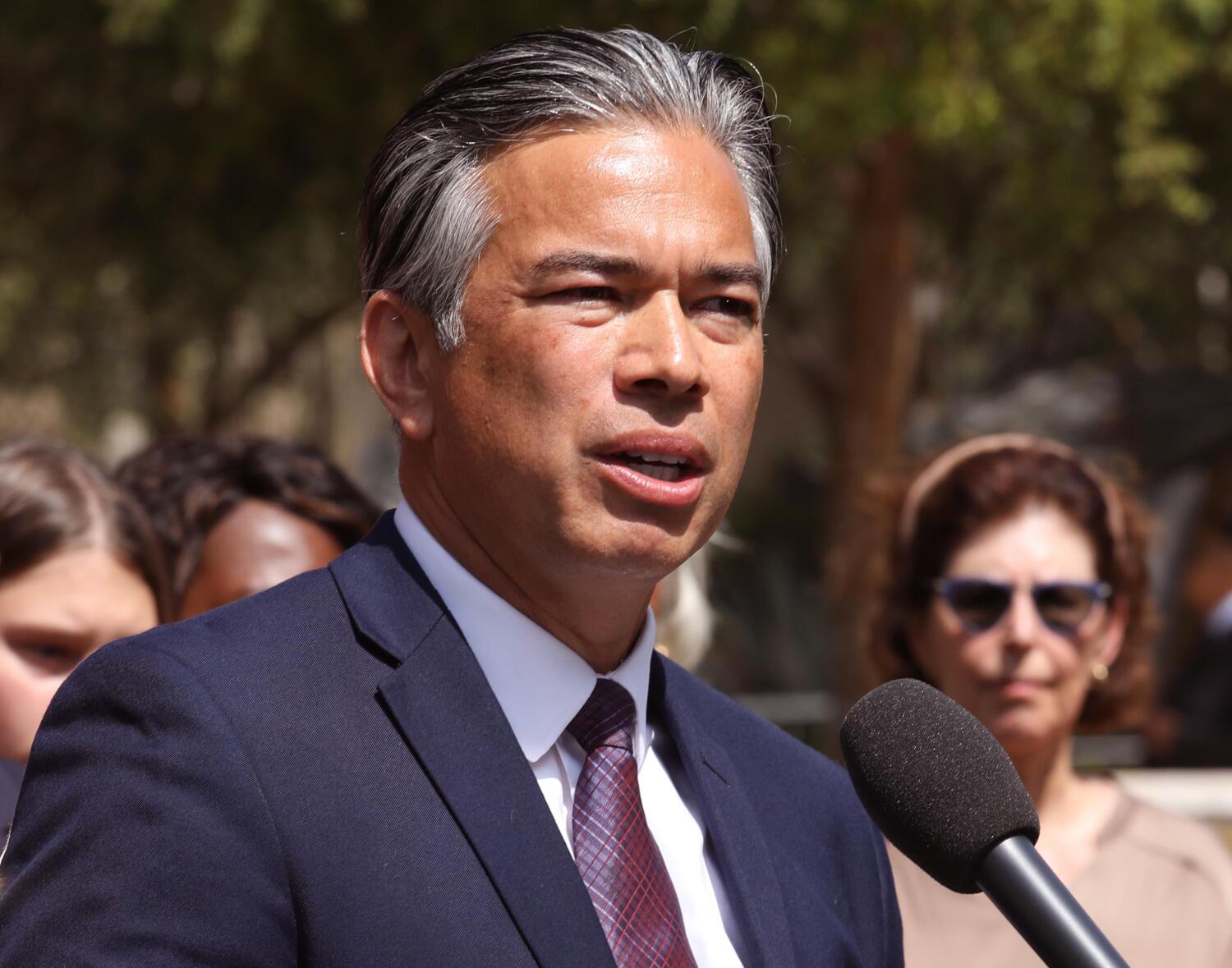
California AG Rob Bonta cancels Paramount settlement talks over alleged leaks and bad faith
California Attorney General Rob Bonta cancels planned settlement talks with Paramount, which had been scheduled to discu...

Nepal begins temporary burial of unidentified flood victims with DNA for later identification
Nepal authorities have started burying unidentified and unclaimed victims of the flash floods triggered by a glacial col...