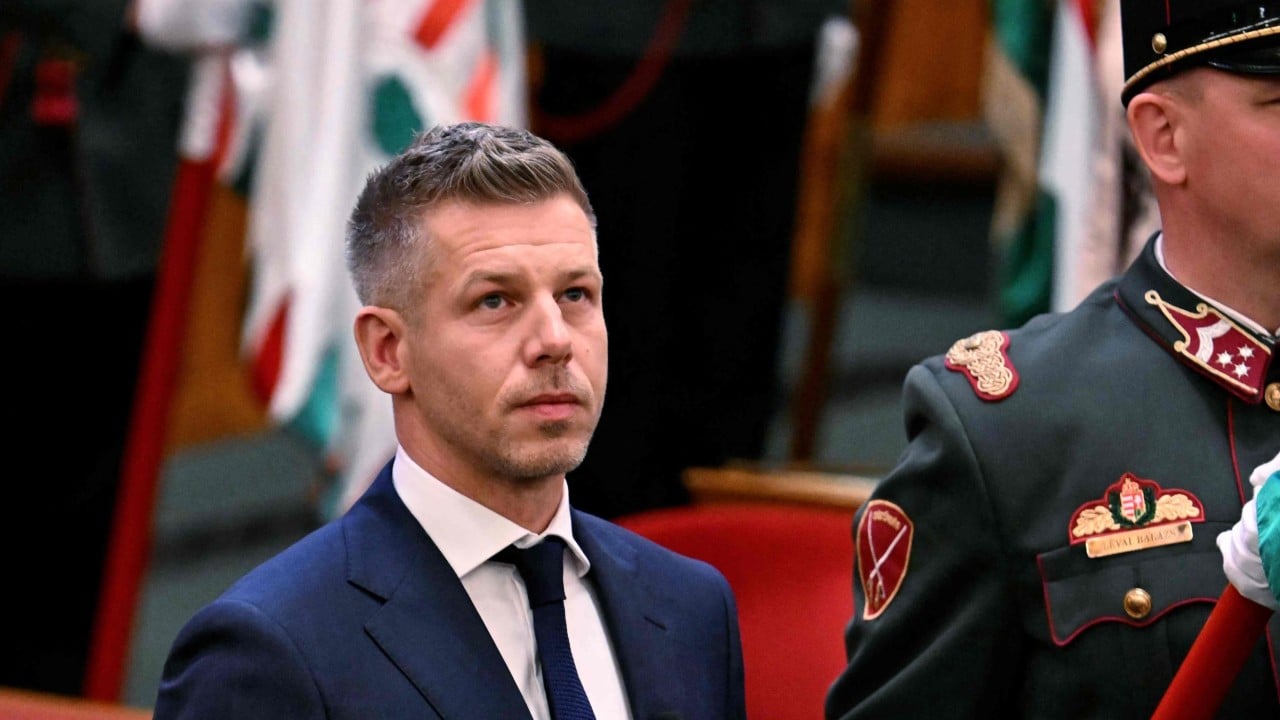
Péter Magyar, leader of Hungary’s center-right Tisza Party, is sworn in as prime minister, marking the formal end of Viktor Orbán’s 16 years in power. Multiple outlets report that Magyar’s election victory in April unseats Orbán’s nationalist-populist Fidesz, which loses its parliamentary majority after years of increasingly authoritarian governance. Reports describe the new administration as pro-democracy and focused on strengthening the rule of law.
Coverage also notes that Tisza is projected to hold a very large parliamentary majority, with some accounts indicating the party could secure a two-thirds supermajority. Several sources describe Magyar as campaigning on promises to tackle corruption, improve the economy, and adjust Hungary’s stance toward Europe. In contrast, Orbán is widely characterized as having cultivated close ties with both Washington and Moscow, reflecting the broader shift in Hungary’s political direction expected under the new government.
The transition is being framed as a “regime change” moment domestically, with observers anticipating potential legal and policy reforms as Hungary’s relationship with the European Union and other international partners may be affected by the new leadership.