


Ten years after the UK leaves the EU, several outlets describe wider, everyday impacts on consumers, particularly through higher costs and added friction for travel and trade. Coverage highlights that household expenses can rise for supermarket goods and for cross-border activities such as taking holidays abroad—for example, higher costs tied to travel and communications while in EU countries. The reports also point to operational changes linked to customs and cross-border paperwork, including the time and difficulty of completing customs forms for parcels sent between the UK and the EU. Across sources, the effects are framed as cumulative: small inconveniences and additional charges across multiple areas can add up for households over a decade. While the specific reasons for cost changes are not detailed in the provided excerpts, the overall theme is that Brexit has made some routine tasks more complicated, including holiday logistics and importing or sending goods. Other referenced items in the search results also suggest that lingering political and policy disputes continue to shape post-Brexit arrangements and perceptions of reconciliation with the EU.
Ten years on, reports say Brexit has increased costs for UK households
Ten years after the UK leaves the EU, several outlets describe wider, everyday impacts on consumers, particularly through higher costs and added friction for travel and trade. Coverage highlights that...

- Sources say consumer costs in everyday areas such as groceries and holidays have increased since Brexit.
- Travel-related costs and practical issues are described, including costs associated with EU trips.
- Reports describe added customs and paperwork requirements, including filling in customs forms for parcels.
- The impacts are presented as cumulative over the decade since the UK left the EU.
- Some sources also refer to ongoing Brexit disputes affecting broader reconciliation with the EU.
Ten years on, leaving the EU has made life more difficult and costly – here are some of the ways we’ve lost outIt is 10 years since voters in the UK chose to leave the EU, and our wallets have been feeling the effects ever since.From paying more to take the dog on holidays in France – and making calls while you are there – to higher grocery bills and the headache of filling in customs forms for parcels, Brexit has made many simple tasks more complicated and expensive. Continue reading...
2 months agoBrexit: how it has hit your wallet at the supermarket and on holiday The GuardianTen years on, Britain counts the cost of Brexit CNNTen years on, Brexit disputes still hold back Britain's reconciliation with EU ReutersBrexit isn’t working: British voters are ready for a European future European Council on Foreign RelationsOpinion | Exceptionalism Can Be Lonely. Ask Britain. The New York Times
2 months ago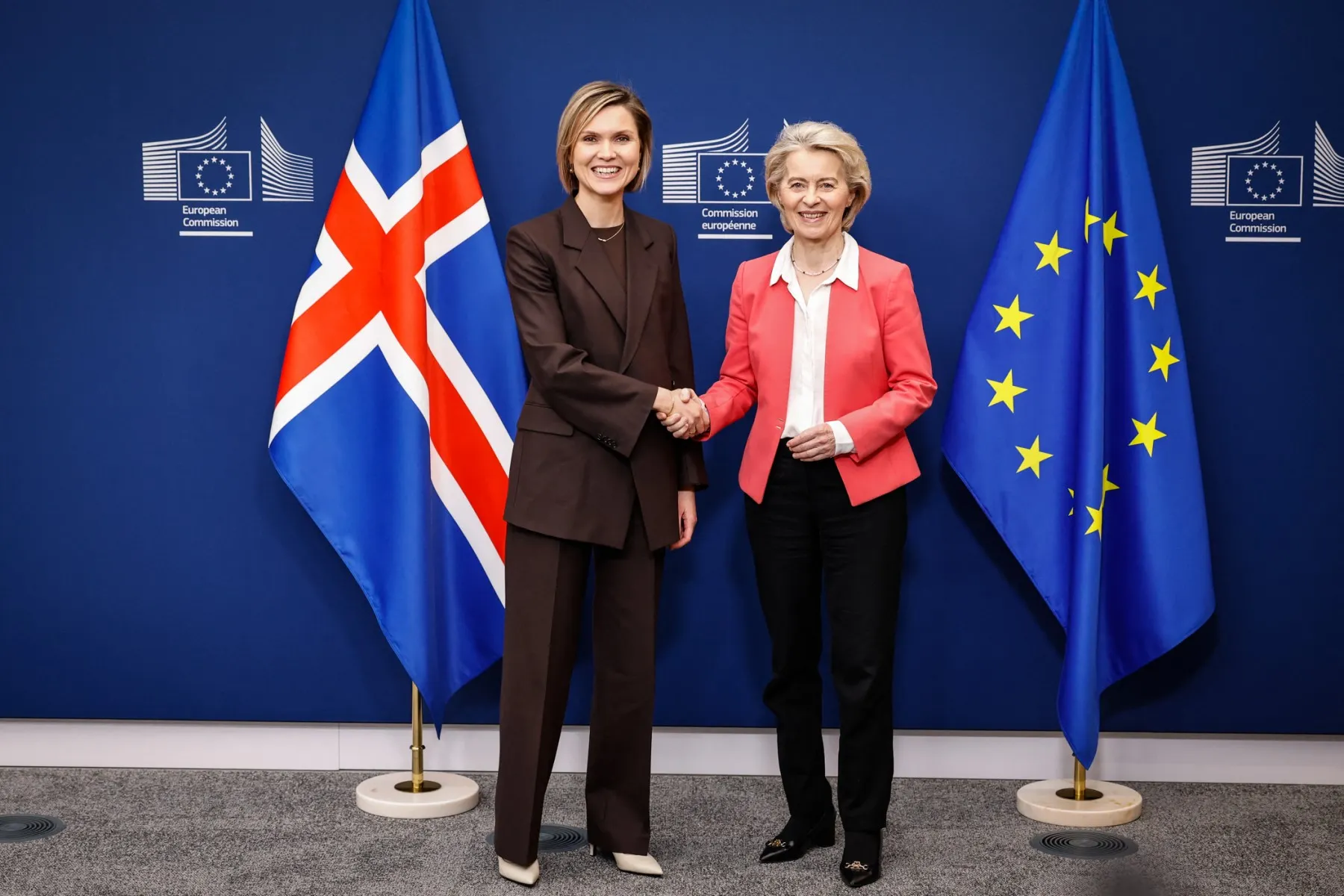
Iceland holds tight referendum on restarting EU accession talks
Iceland holds a referendum on Saturday on whether to resume accession negotiations with the European Union. Multiple out...

Death toll rises in Nepal–Tibet flash floods as rescuers search for hundreds missing
Massive flash floods hit areas along the Nepal–China (Tibet) border, killing hundreds and sweeping people and debris dow...

Trump’s Greenland stance shapes Iceland’s vote on EU membership talks
Icelandian voters are heading to the polls on whether to resume long-stalled negotiations on joining the European Union,...