


Multiple reports explain that the same air temperature can feel different depending on how heat interacts with the environment and people’s daily lives. The articles note that in places like India, recurring extreme-heat periods have shaped clothing choices, outdoor schedules, building design, and common routines to reduce heat stress. Homes, workplaces, and public spaces are often adapted to cope with high temperatures and humidity. In Britain, the systems and infrastructure were largely built for cooler conditions, so homes, public transport, and outdoor spaces may not ventilate or insulate in ways that handle prolonged hot weather. As a result, when temperatures reach around 35°C, the body can experience greater heat discomfort even if other regions experience higher recorded highs. The sources emphasize that factors such as humidity, wind, shelter, and acclimatization influence perceived heat, not just the thermometer reading. Together, the reports argue that “feels like” heat depends on context, including how prepared and adapted a region is to extreme temperatures.
Why Britain’s 35°C can feel hotter than India’s 45°C
Multiple reports explain that the same air temperature can feel different depending on how heat interacts with the environment and people’s daily lives. The articles note that in places like India, re...
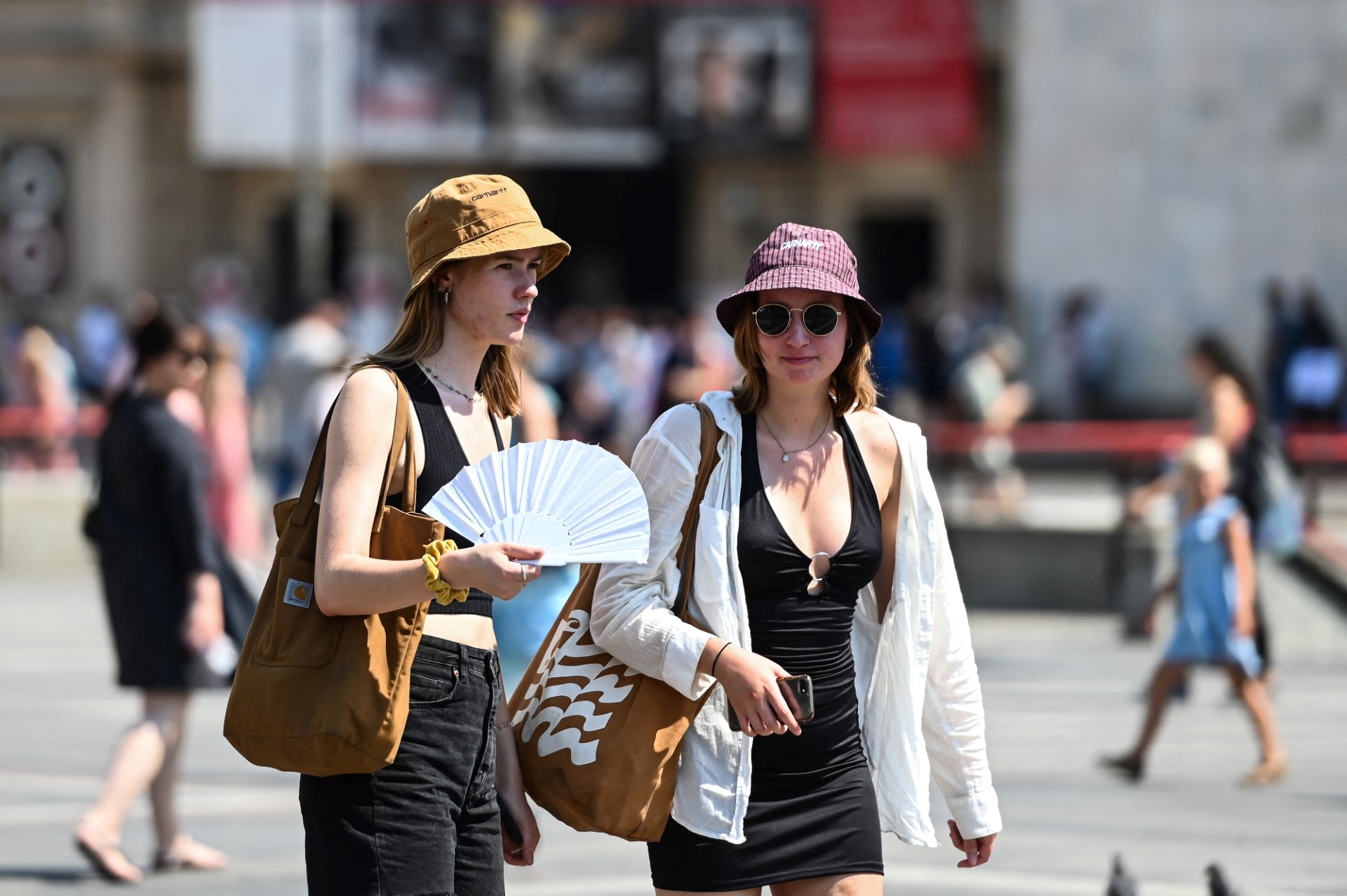
- Britain’s infrastructure and homes are largely designed for cooler weather than India’s.
- People in India are generally more acclimatized to recurring extreme heat.
- How hot it feels depends on more than air temperature alone.
- Environmental factors such as humidity, shelter, and ventilation influence perceived heat stress.
- Recorded temperatures can be higher in one place while discomfort is greater in another.
In countries like India, people, buildings and daily routines have evolved around recurring periods of extreme heat. Britain, on the other hand, is a country whose homes, infrastructure and public...
2 months agoIn countries like India, people, buildings and daily routines have evolved around recurring periods of extreme heat. Britain, on the other hand, is a country whose homes, infrastructure and public services were largely designed for a much cooler climate.
2 months ago
Oyo Nyimba, Uganda’s Tooro king crowned at three, dies at 34
Oyo Nyimba, the Ugandan traditional king of the Tooro kingdom, dies at the age of 34. Multiple outlets report that his d...

Procam launches “HDOR – 100 Days of Running” to build long-term movement habits
Procam launches “HDOR – 100 Days of Running,” an initiative framed around completing 100 days of running to encourage re...

Cholesterol-lowering drug trial finds reduced cardiovascular events in older independent living
A world-first clinical trial reports that a common cholesterol-lowering medication significantly reduces the risk of maj...