


Joanna Stern, an author who documents technology experiences, says that spending a year using artificial intelligence in daily life changes how she approaches parenting. In interviews and reporting from multiple outlets, Stern describes the experiment as a personal attempt to incorporate AI tools into everyday routines while observing how that affects her decisions as a mother. She says the experience reinforces the value of human relationships in parenting rather than relying on AI outputs alone. Stern also emphasizes adopting skepticism toward AI, treating recommendations and information as something to evaluate rather than accept automatically. Across the accounts, she presents her yearlong use as a prompt to balance digital assistance with lived, real-world interactions. While the details of the specific AI tools are not central across the coverage, the consistent theme is that AI becomes one input among others, and that parenting still depends on direct engagement with children, attention to context, and practical experiences. The reporting frames her conclusion as experiential: after a sustained period using AI, she adjusts her thinking to place greater weight on relationships and on verifying what AI suggests.
Mother’s Yearlong AI Use Shapes Her Parenting Approach, Says Joanna Stern
Joanna Stern, an author who documents technology experiences, says that spending a year using artificial intelligence in daily life changes how she approaches parenting. In interviews and reporting fr...
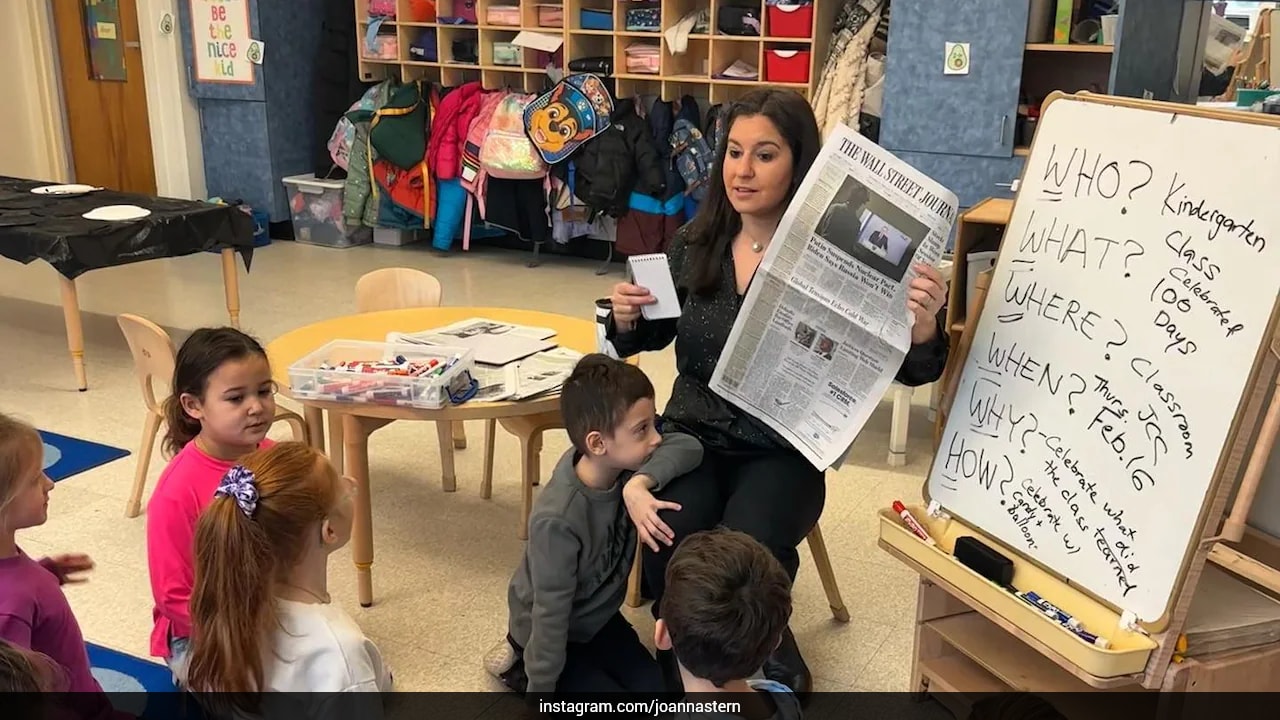
- Joanna Stern says she uses AI in everyday life as part of a yearlong experiment.
- She reports that the year of AI use changes how she approaches parenting.
- Stern says AI use reinforces the importance of human relationships.
- She emphasizes skepticism toward AI recommendations and information.
- She describes the need to balance AI guidance with real-world experiences.
After spending a year using artificial intelligence in daily life, author Joanna Stern says the experience changed how she thinks about raising children.
1 month agoJoanna Stern says her experiment with AI reinforced the importance of human relationships, skepticism, and real-world experiences.
1 month ago
Kangana Ranaut and Baba Ramdev reconcile on Raksha Bandhan, exchange sweets and gifts
Actress and BJP MP Kangana Ranaut and yoga guru Baba Ramdev resolve their recent public feud on Raksha Bandhan by exchan...

Visa boosts cybersecurity support for clients and industry amid AI-driven threats
Visa announces expanded support for clients and for the payments industry as organizations confront a new AI era of cybe...

Home Depot launches Labor Day sale with deals on tools, outdoor gear, and select appliances
Home Depot’s Labor Day promotion is now live, with discounts on a range of items including power tools, outdoor equipmen...