


Andrea, who lives in a simple home in central Sydney, is quoted $19,000 to insure the property despite the home having never flooded. Multiple outlets describe the situation as an example of insurers reducing their willingness to take on climate-related risk. The reporting indicates that higher premiums and coverage restrictions are affecting properties even when there is no direct history of flooding, suggesting insurers are adjusting pricing and underwriting based on broader assessments of climate exposure and changing risk models. Across the articles, the case is presented as a sign of tightening insurance availability and affordability linked to climate risk, rather than a response to a past incident at the specific address. While the sources focus on the quote and the broader industry shift, they do not provide additional details in the provided excerpts about the insurer’s methodology, the contract terms, or whether alternative coverage options are available. Overall, the accounts converge on one theme: insurance markets are becoming more cautious about climate risk, leading to large premiums for properties not previously affected.
Insurers quote $19,000 for central Sydney home despite no prior flooding
Andrea, who lives in a simple home in central Sydney, is quoted $19,000 to insure the property despite the home having never flooded. Multiple outlets describe the situation as an example of insurers...

- Andrea lives in a simple home in central Sydney.
- The home is quoted $19,000 for insurance.
- The home has never flooded, according to the reports provided.
- Multiple outlets describe the case as reflecting reduced insurer appetite for climate risk.
- The situation illustrates rising difficulty or cost of insuring some properties despite no prior flooding history.
In a sign of how insurance companies are slashing their appetite for climate risk, even homes that have never flooded are becoming hard to insure.
3 months agoIn a sign of how insurance companies are slashing their appetite for climate risk, even homes that have never flooded are becoming hard to insure.
3 months agoIn a sign of how insurance companies are slashing their appetite for climate risk, even homes that have never flooded are becoming hard to insure.
3 months ago
NASA launches Roman Space Telescope on SpaceX Falcon Heavy to map cosmos
NASA launches its Roman Space Telescope on Sunday aboard a SpaceX Falcon Heavy rocket, beginning a multi-year mission to...
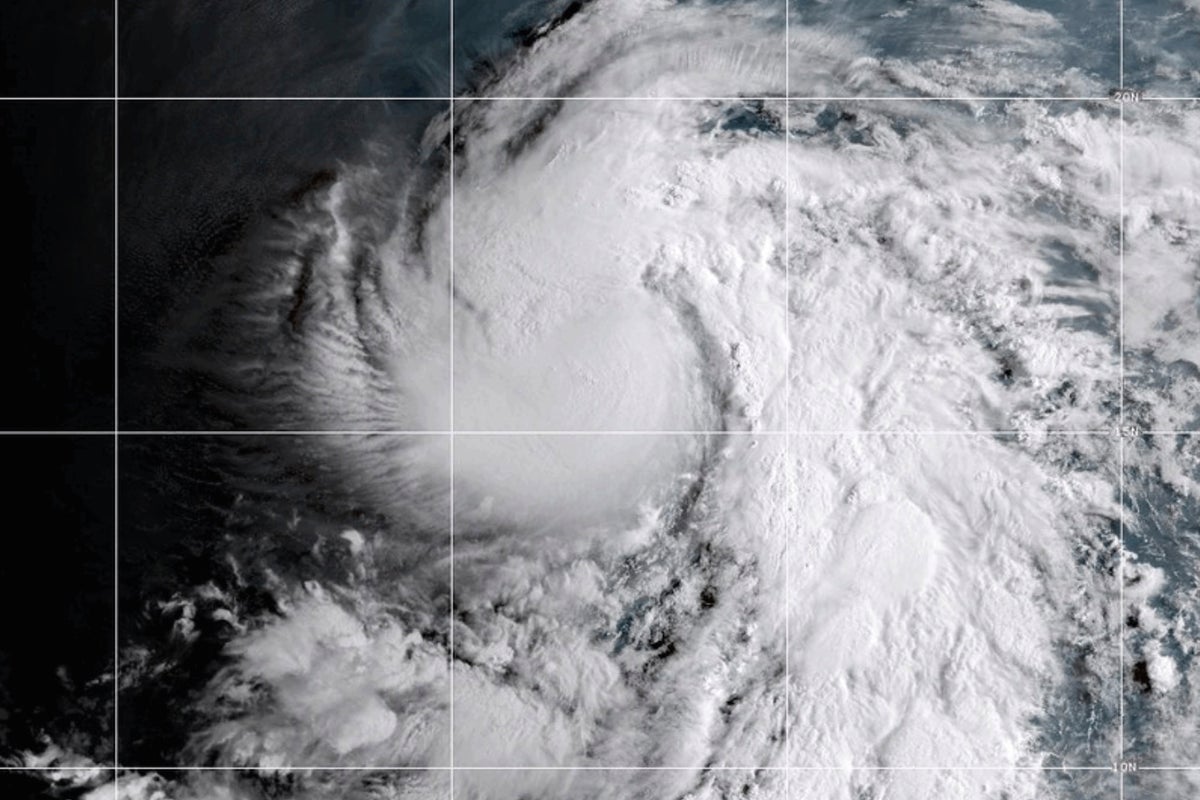
Tropical Storm Karina strengthens into a hurricane in the Pacific
Tropical Storm Karina strengthens into a hurricane in the Pacific Ocean. Multiple reports indicate the storm is intensif...
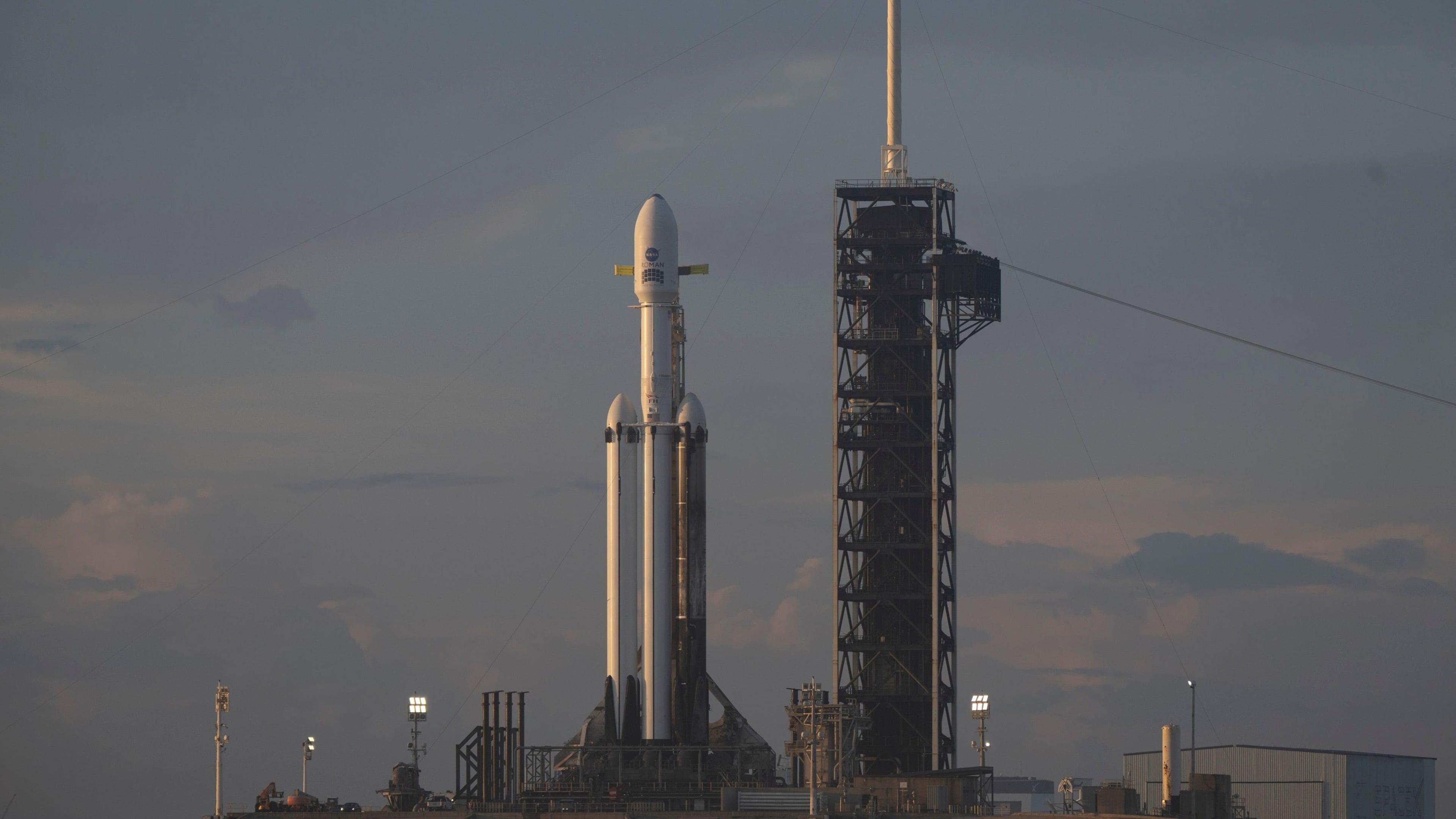
NASA launches newest space telescope to study hidden universe and search for exoplanets
NASA launches its newest space telescope into orbit to study distant regions of the universe and search for planets arou...