


Several outlets report that many of Africa’s major wildlife protected areas—such as Virunga National Park in the Democratic Republic of the Congo, Niokolo-Koba in Senegal, Kruger National Park in South Africa and Serengeti National Park in Tanzania—were created during the colonial period. According to the reporting, nearly half of these parks and marine reserves are still managed by government agencies. The Conversation Africa argues that the legal and governance approach is rooted in a colonial conservation model, described as dating to 1933, which separates local people from wildlife and restricts community participation in decision-making. The article says this exclusionary framework has not delivered effective wildlife protection, in part because it does not address how communities live alongside animals or how they are affected by conservation rules. The overall message across sources is that the existing wildlife law and management structure continues to reflect colonial-era assumptions, and that advocates are calling for reforms that incorporate local communities more directly into conservation governance.
Critics say Africa’s colonial-era wildlife laws exclude communities and fail to protect wildlife
Several outlets report that many of Africa’s major wildlife protected areas—such as Virunga National Park in the Democratic Republic of the Congo, Niokolo-Koba in Senegal, Kruger National Park in Sout...

- Major African national parks and marine reserves, including Virunga, Niokolo-Koba, Kruger, and Serengeti, were established during the colonial era.
- Nearly half of these protected areas are still managed by government agencies.
- One critique links current wildlife laws to a colonial conservation model described as dating to 1933.
- The model is described as excluding communities and separating people from wildlife.
- Advocates call for replacing or reforming this approach to improve wildlife protection.
[The Conversation Africa] Africa is home to many iconic national parks and marine reserves, such as Virunga in the Democratic Republic of the Congo, Niokolo-Koba in Senegal, Kruger National Park in South Africa and Serengeti National Park in Tanzania. Many of them were established during the colonial era, and nearly half are still managed by government agencies.
1 month agoAfrica is home to many iconic national parks and marine reserves, such as Virunga in the Democratic Republic of the Congo, Niokolo-Koba in Senegal, Kruger National Park in South Africa and Serengeti National Park in Tanzania. Many of them were established during the colonial era, and nearly half are still managed by government agencies.
1 month agoAfrica’s wildlife laws still follow a 1933 colonial conservation model that excludes communities and fails to protect wildlife. It’s time to do away with it.
1 month ago
Nepal begins burying unidentified flood victims, using DNA for later identification
Nepal authorities start burying unidentified and unclaimed victims of deadly floodwaters and mudslides after the tsunami...
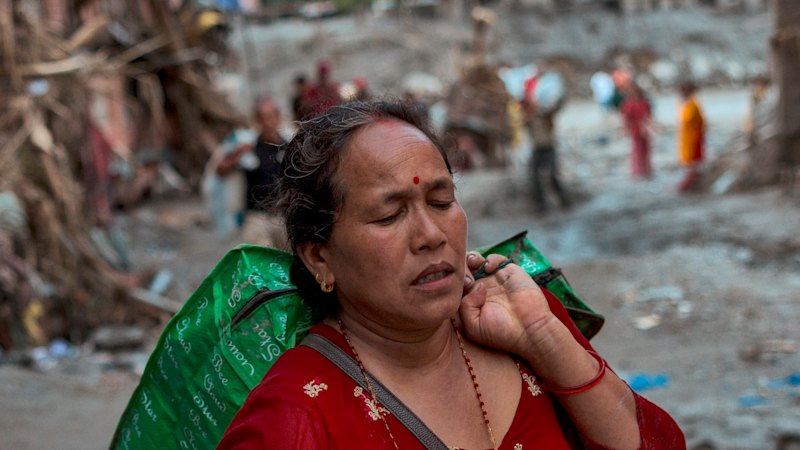
Glacier retreat in Nepal is linked to climate change impacts, outlets report
Multiple outlets report on concerns about Nepal’s increasing disaster risk as Himalayan glaciers continue to retreat. Th...
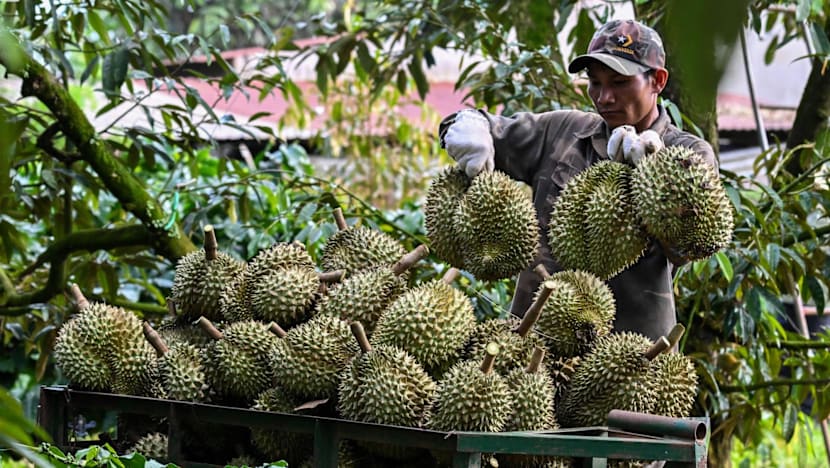
Vietnamese coffee farmers switch to durian as Chinese demand grows
Vietnam’s coffee farmers in the Central Highlands are shifting from coffee to durian, driven by rising demand from China...