


Multiple outlets report on a growing challenge for app developers: distinguishing a finished, human-led product from apps that appear to have been assembled with AI tools. The articles identify three “telltale signs” that can make an app look AI-generated. First, they point to generic or repetitive design patterns—layouts and visual elements that feel copied from common templates or lack distinctive brand choices. Second, they cite content quality issues, such as text that reads as overly similar across screens or includes awkward phrasing, lack of depth, or inconsistent tone. Third, they highlight functional or user-experience problems, including features that are present but not tightly integrated, and interfaces that do not reflect careful end-user refinement. Together, the reports argue that these indicators can make apps blend into “cookie-cutter” markets, reducing their perceived originality and polish. The sources focus on recognition rather than prosecution: they describe what observers may notice in the finished app and suggest improvements to make apps feel more tailored. The coverage does not claim universal detection methods or guarantees.
Report Identifies Three Signs Apps May Be AI-Generated
Multiple outlets report on a growing challenge for app developers: distinguishing a finished, human-led product from apps that appear to have been assembled with AI tools. The articles identify three...
- The articles describe three common signs that an app may have been created using AI tools.
- They cite generic or templated design and a lack of distinctive visual choices as a key indicator.
- They point to content issues such as repetitive or awkward text and inconsistent tone.
- They mention user-experience and integration problems, such as features that appear present but not well refined.
- The reporting focuses on observable cues in the finished app rather than a definitive, universal detection method.
In a sea of cookie-cutter vibe-coded apps, it's getting harder to stand out. Here's what you can change in yours to set yourself apart.
1 month ago
Nikki Tamboli and Arbaz Patel unfollow each other on Instagram amid cryptic infidelity posts
Nikki Tamboli and Arbaz Patel spark breakup rumours after unfollowing each other on Instagram and sharing cryptic posts...
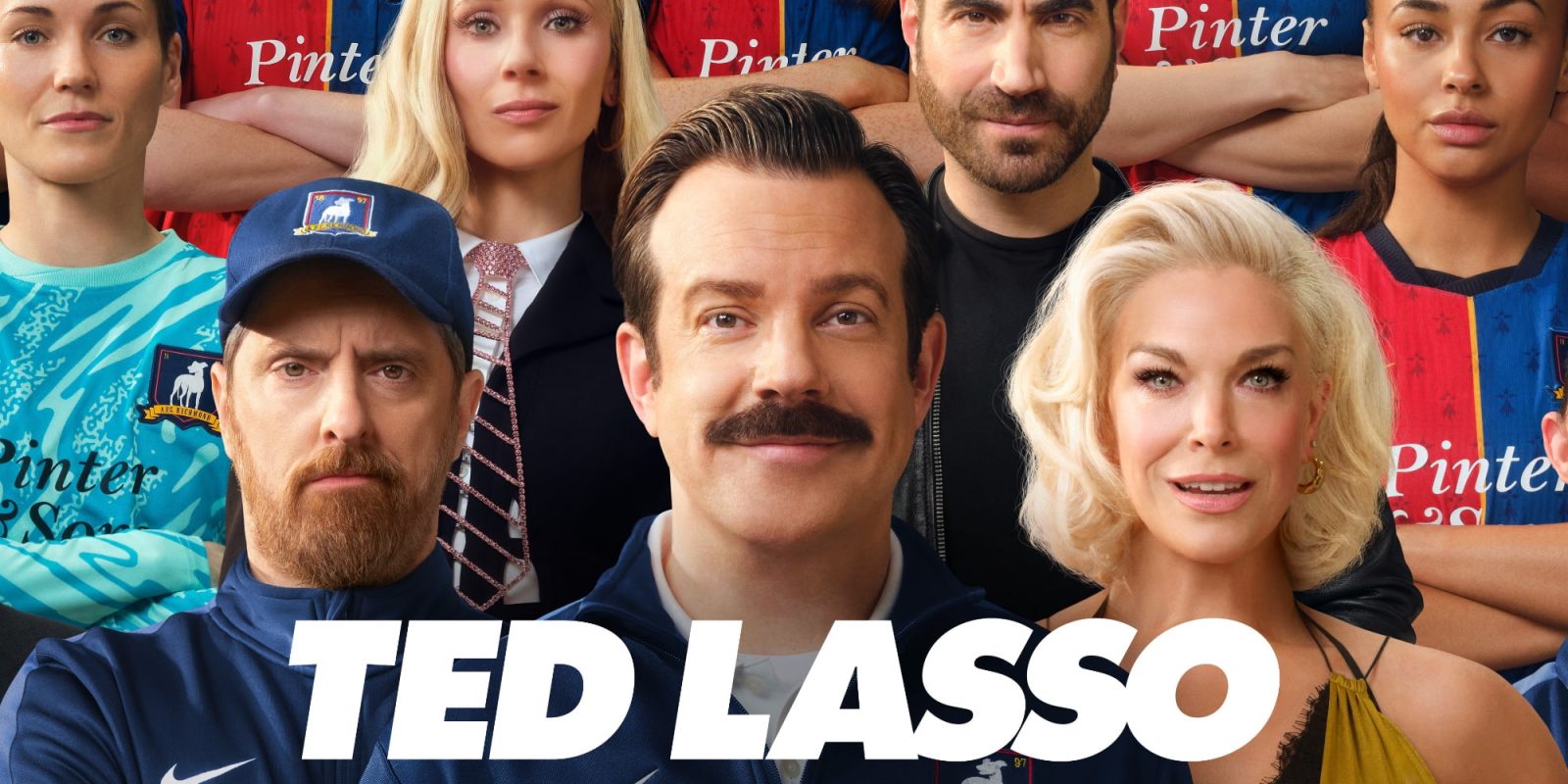
Ted Lasso Season 4 Returns to Apple TV With Weekly Episode Release Schedule
Ted Lasso returns for Season 4 on Apple TV, with Jason Sudeikis reprising the lead role. Multiple outlets describe the c...
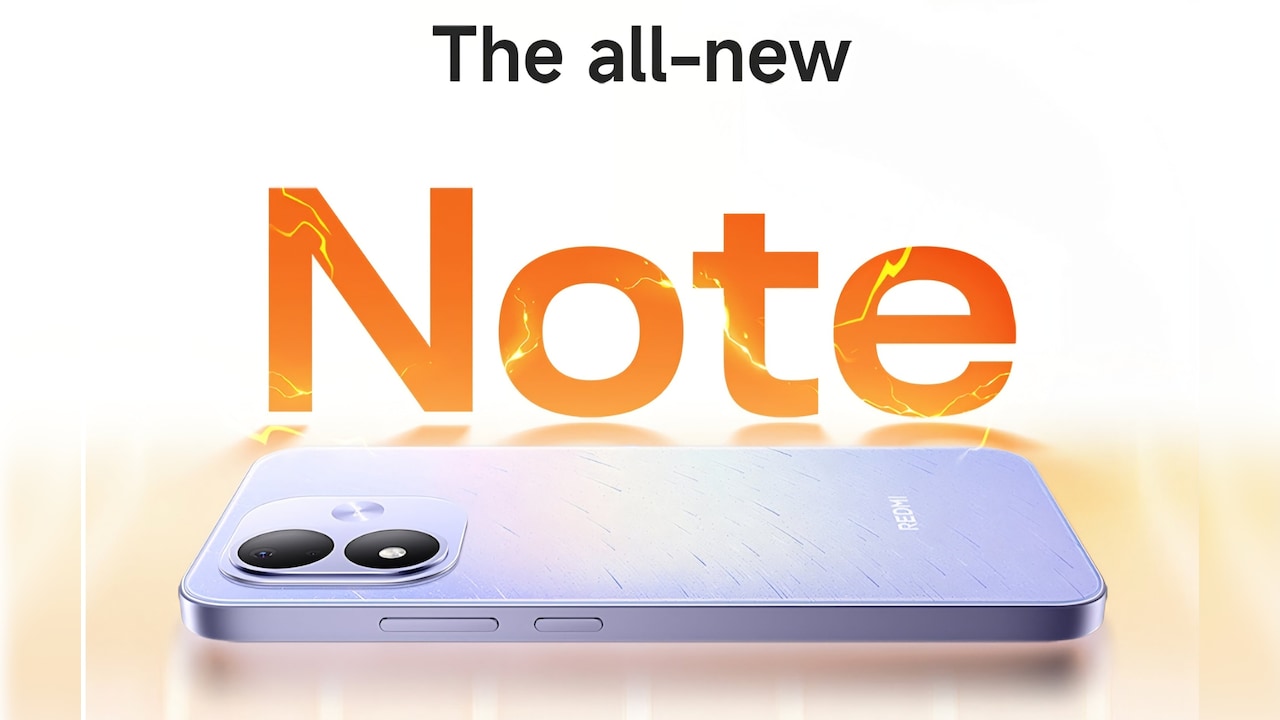
Redmi Note 17 series launch date set for China; India and global variants leak specs
Redmi confirms that the Redmi Note 17 series launches in China on July 14 at 7:00 pm local time (4:30 pm IST). Teasers a...