


Researchers describe how “environmental DNA” (eDNA)—genetic material shed by organisms into water, sand, or air—can be detected from very small environmental samples. By collecting a cup of river water and analyzing the DNA fragments it contains, scientists can infer which species are present and where they have been, including wildlife that has migrated through the area. The approach also supports monitoring of environmental conditions linked to human activity. Multiple outlets note that eDNA can be used to detect indicators of pollution and to identify biological signatures associated with pathogens, allowing surveillance of disease-causing organisms in waterways and surrounding environments. Because the method does not require direct observation or capture of organisms, it can provide a broader view of biodiversity and ecosystem use across time and space. Together, the sources emphasize that eDNA offers a multi-purpose tool: it can contribute to tracking species, assessing contamination-related biological evidence, and surveying pathogens using DNA signatures extracted from routine environmental samples.
Environmental DNA from a cup of water can reveal health risks, pollution, and biodiversity
Researchers describe how “environmental DNA” (eDNA)—genetic material shed by organisms into water, sand, or air—can be detected from very small environmental samples. By collecting a cup of river wate...
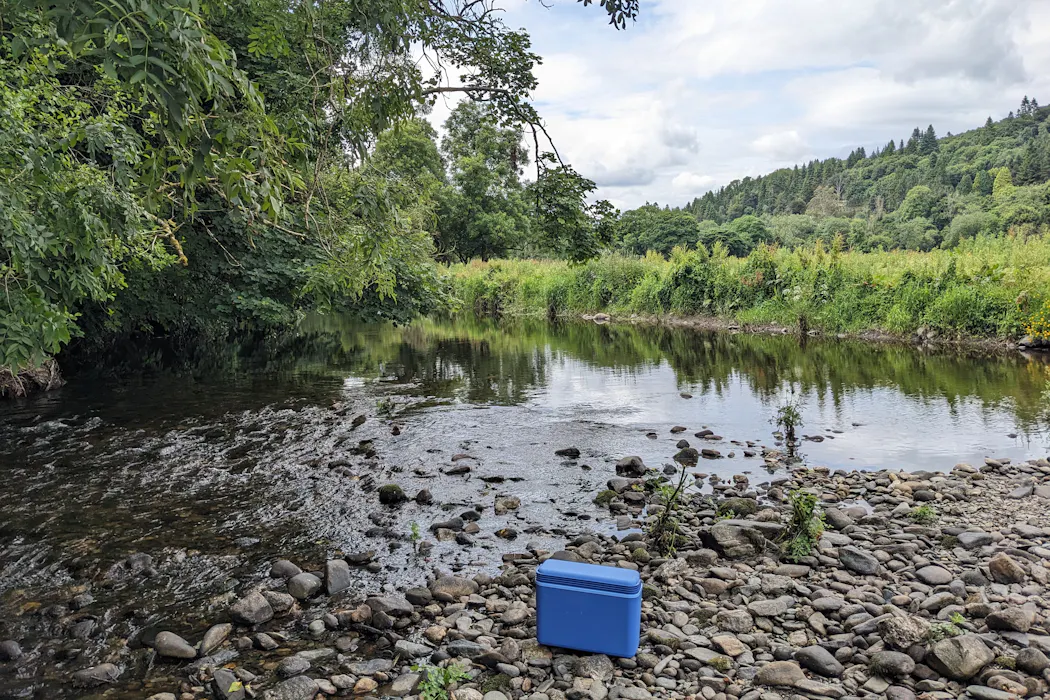
- Scientists can detect genetic material (“environmental DNA”/eDNA) from small environmental samples such as a cup of river water.
- eDNA testing can reveal the presence of wildlife and help track where species have migrated.
- The same DNA data can be used to support biodiversity surveys without capturing organisms.
- eDNA approaches can also be used to look for biological signatures associated with pathogens in waterways and nearby environments.
- The method can contribute to monitoring environmental and human-related impacts such as pollution-related indicators.
The DNA in a single cup of water can track wildlife, monitor pollution and survey pathogens in waterways and their surroundings, all at the same time.
1 month agoEnvironmental DNA contained in a small sample of water, sand or even air can reveal the presence of people, wildlife and pathogens, helping researchers track where they’ve migrated.
1 month ago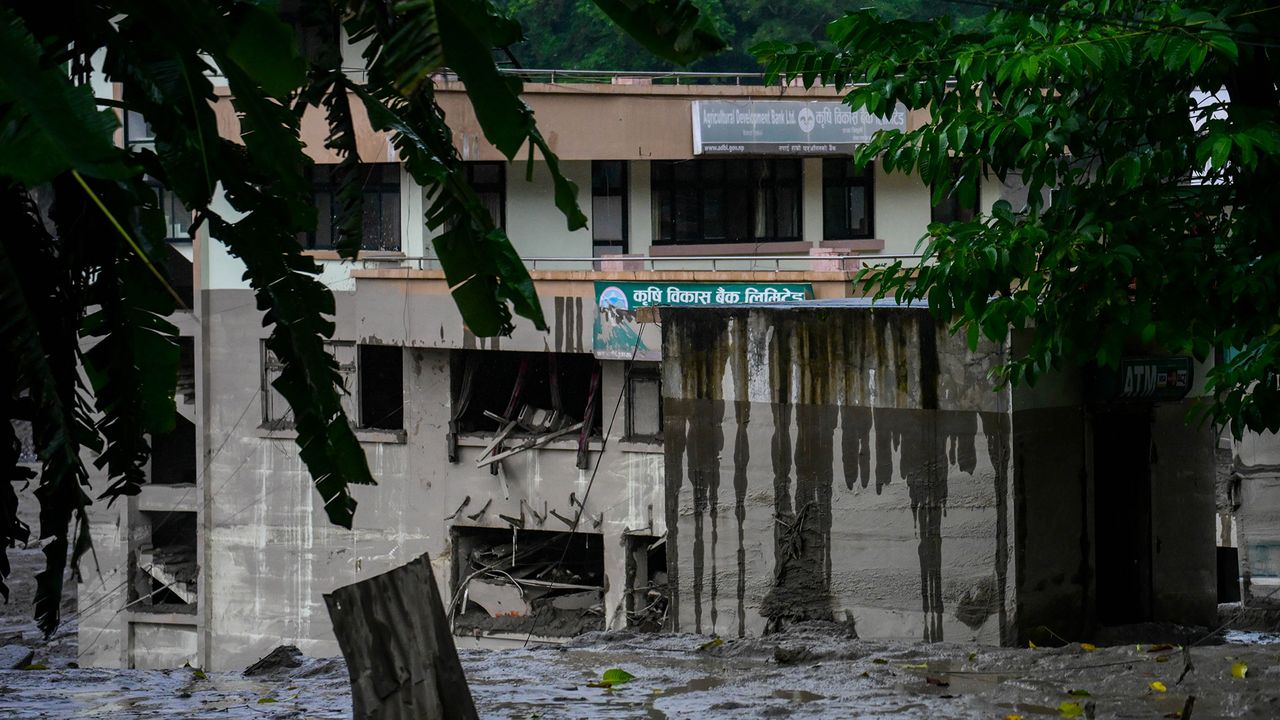
Glacier collapse near Nepal-China border triggers deadly flash floods and landslides
A large piece of glacier ice breaks off and collapses into a valley near the Nepal–China (Tibet) border, triggering flas...

CBC memo tells staff to avoid calling 9/11 “terrorist attacks”
Canadian broadcaster CBC reportedly instructs staff not to describe the 9/11 attacks as “terrorist attacks” in upcoming...

Bushmeat poaching threatens South Africa’s wildlife and tourism economy
Bushmeat poaching reduces wildlife numbers in South Africa, and a North-West University researcher warns this is likely...