Australia is responding to highly pathogenic avian influenza (HPAI), including the H5N1 strain, as authorities work to contain suspected spread among wild birds. Multiple reports note that the outbreak is now believed to have affected at least seven seabirds. While human and animal health agencies implement containment and monitoring measures, researchers say the transmission route may be more complex than direct contact between infected birds alone.
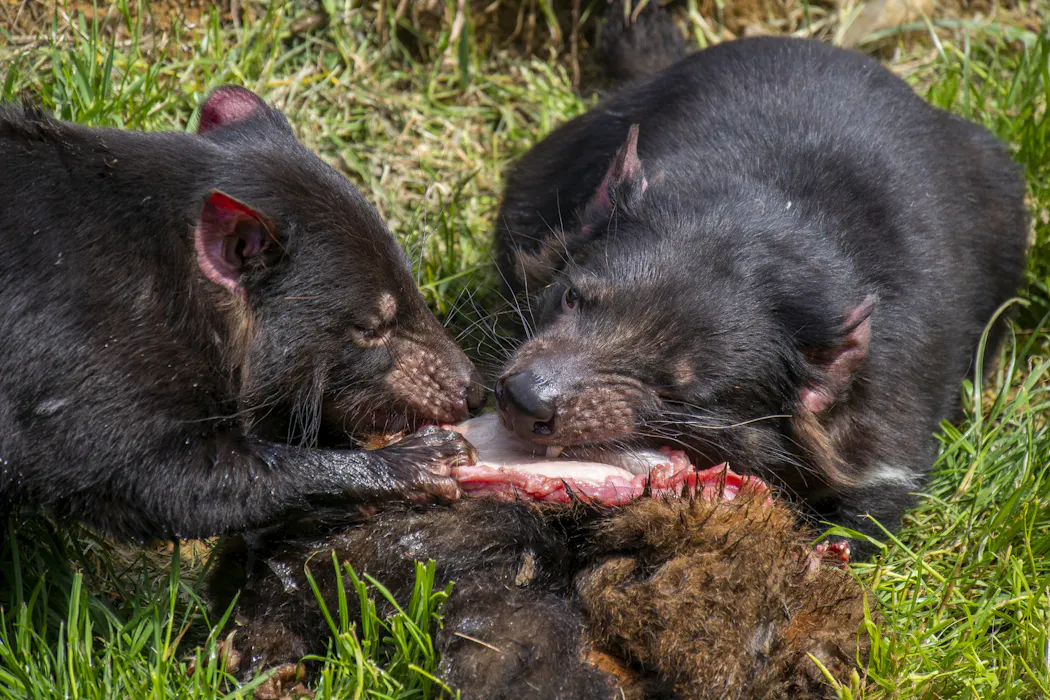
The Conversation and Phys.org both highlight the role that scavenging animals could play in moving the virus. Experts interviewed describe how predators and other wildlife that feed on infected carcasses can come into contact with virus-containing tissues, potentially carrying it to new locations. This mechanism could increase opportunities for the virus to reach additional birds, including through contaminated surfaces or repeated feeding at multiple sites.
The reports present scavengers as a “missing link” in understanding the outbreak’s spread dynamics. They do not suggest scavenging as the only factor, but they emphasize that it is an important pathway to consider when designing surveillance and response strategies aimed at limiting further infections among seabird populations.