


Multiple outlets report the discovery of an exceptionally rare fossil from about 450 million years ago that preserves soft tissues of a crinoid, a marine animal related to sea lilies. While crinoid fossils are commonly found in large numbers, one source notes this find is only the second documented instance in which scientists identify intact soft tissue from such an age. The fossil includes tube feet, structures crinoids use to feed. Another report highlights the significance of the preservation, describing the soft-tissue details as unusually delicate for fossils of this period. Together, the accounts emphasize that the specimen provides a rare glimpse into early marine life and the biology of crinoids, showing anatomical features that are typically lost during fossilization. The coverage also indicates that museum collections and ongoing paleontological work continue to produce notable discoveries, suggesting the specimen either comes from collected material or reflects the potential for further rare finds as collections are revisited and studied. The reports do not provide additional details such as the discovery location, the exact institution, or dating methods.
450-million-year-old crinoid fossil preserves rare soft tissues
Multiple outlets report the discovery of an exceptionally rare fossil from about 450 million years ago that preserves soft tissues of a crinoid, a marine animal related to sea lilies. While crinoid fo...
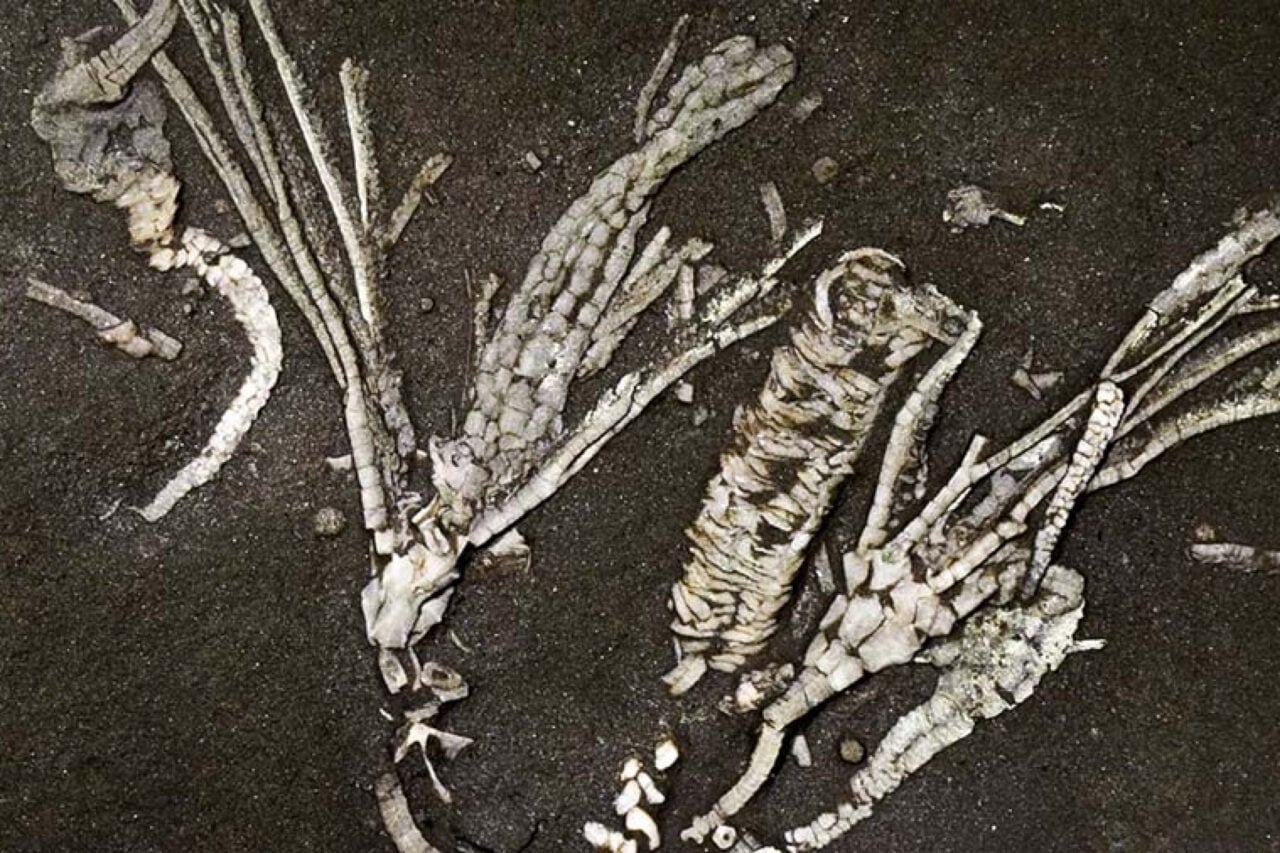
- The fossil is from a crinoid (a sea creature) dated to about 450 million years ago.
- Crinoid fossils are common, but soft tissue preservation is rare.
- The specimen preserves soft tissues, including tube feet.
- The find is reported as the second known case of intact soft tissue in a crinoid fossil.
- The discovery provides new information about how crinoids fed in early marine ecosystems.
A rare fossil discovery reveals soft tissue of an ancient crinoid. These delicate sea creatures lived over 450 million years ago. The fossil preserves tube feet, which crinoids used for feeding. This exceptional find offers a rare glimpse into early marine life. Museum collections continue to yield significant paleontological discoveries.
1 month agoCrinoid fossils turn up by the millions, but this is just the second time that scientists have found one with soft tissues still intact.
1 month ago
3.4 magnitude earthquake shakes Sydney’s southwest, residents report feeling strong ground movement
A 3.4 magnitude earthquake strikes Sydney’s southwest, prompting reports from residents that they felt the ground shake....

SpaceX to invest $100 billion in Louisiana spaceport for Starship launches
SpaceX announces it plans to build a new spaceport in Louisiana for its Starship megarockets, committing about $100 bill...

Scientists say climate change increased risk of Nepal-Tibet flash floods
Scientists say climate change likely increased the risk of catastrophic flash flooding along the Nepal–Tibet border. The...