


Multiple outlets report claims that advanced US Navy warships are experiencing a pattern of non-combat problems, including fires, electrical faults and propulsion issues. The accounts draw on a Chinese military magazine’s assessment of recent incidents affecting several high-profile platforms. Reported examples include the USS Gerald R. Ford aircraft carrier and the USS Zumwalt destroyer, along with Nimitz-class carrier USS Dwight D. Eisenhower and Arleigh Burke-class ships. The coverage says these events have raised concerns about operational reliability and readiness, arguing that they erode fleet capability. The reported analysis attributes part of the strain to long deployment cycles and the complexity of systems on modern vessels, which rely heavily on advanced technology. It also points to workforce shortages and limited shipyard capacity as contributors to prolonged maintenance and recovery. Taken together, the sources describe an accumulation of technical setbacks and fire-related incidents, but they frame the discussion as a claim—rather than a verified, comprehensive audit—of systemic pressure on the fleet.
Report cites fires, electrical failures on advanced US Navy ships
Multiple outlets report claims that advanced US Navy warships are experiencing a pattern of non-combat problems, including fires, electrical faults and propulsion issues. The accounts draw on a Chines...
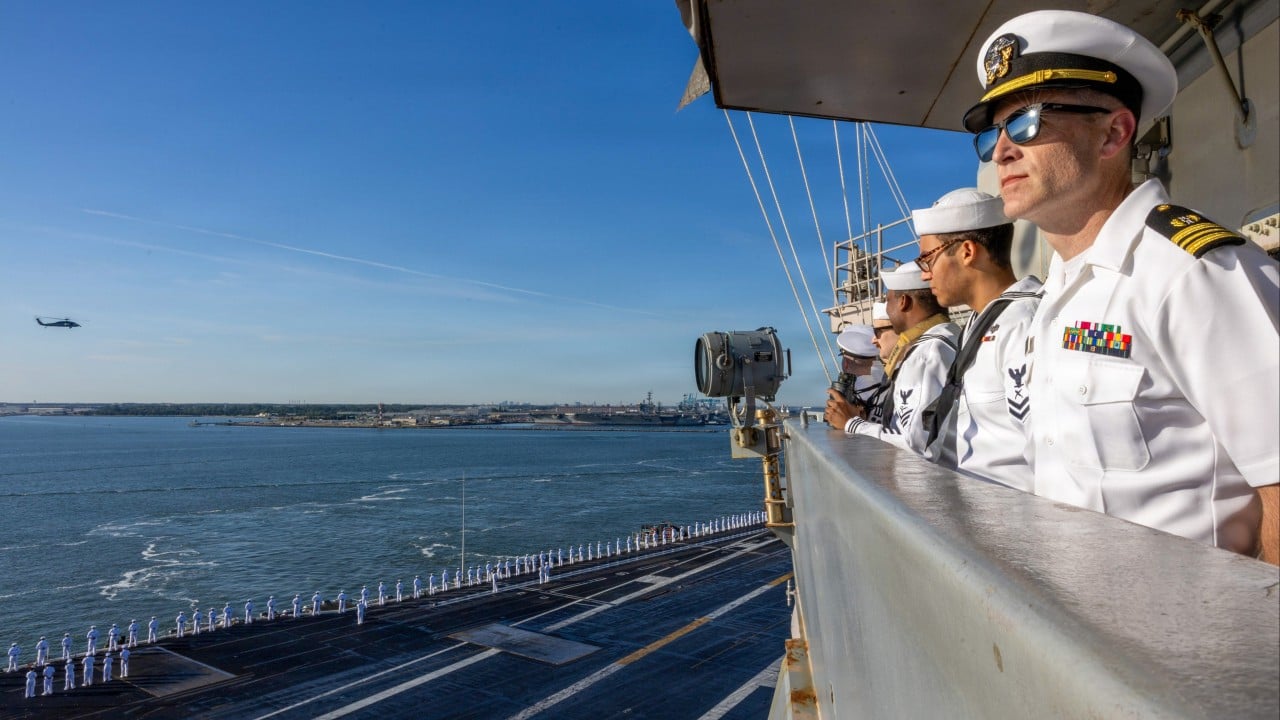
- Sources report claims of non-combat losses involving fires, electrical failures and propulsion issues on US Navy ships.
- The incidents cited include the USS Gerald R. Ford aircraft carrier and the USS Zumwalt destroyer.
- Additional ships mentioned include the USS Dwight D. Eisenhower (Nimitz-class) and Arleigh Burke-class vessels.
- The reported analysis links reliability challenges to long deployments and reliance on complex advanced technology.
- Workforce shortages and limited shipyard capacity are cited as factors affecting maintenance and readiness.
Recent incidents involving fires and electrical glitches on modern US Navy warships have sparked doubts regarding their dependability. Noteworthy cases like the USS Gerald R. Ford and USS Zumwalt reveal significant operational difficulties. Factors such as lengthy deployment periods and a heavy reliance on advanced technologies play a critical role in these challenges, compounded by workforce shortages and limited shipyard capabilities that threaten the Navy's readiness.
1 month agoA Chinese military magazine has highlighted a spate of non-combat losses across the US Navy, claiming they have eroded the fleet’s capabilities and exposed “systemic pressure and shortcomings”. The report in Naval & Merchant Ships pointed to fires, electrical failures and propulsion issues on America’s most advanced warships in recent months. They include the USS Gerald R. Ford aircraft carrier, the USS Zumwalt destroyer, Nimitz-class carrier the USS Dwight D. Eisenhower and Arleigh Burke-class...
1 month ago
Dallas Turner takes on a key role for the Minnesota Vikings after 2024 draft trade
The Minnesota Vikings are positioning edge rusher Dallas Turner to fill an important role as he moves into the next phas...

Virgin lifts profits in first year back on stock exchange amid fuel cost volatility measures
Virgin records higher profits in its first year back on the stock exchange, according to reporting from Western Australi...

NaLyssa Smith to miss rest of season after left leg injury for Las Vegas Aces
The Las Vegas Aces confirm forward NaLyssa Smith is out for the remainder of the season after a left leg injury suffered...