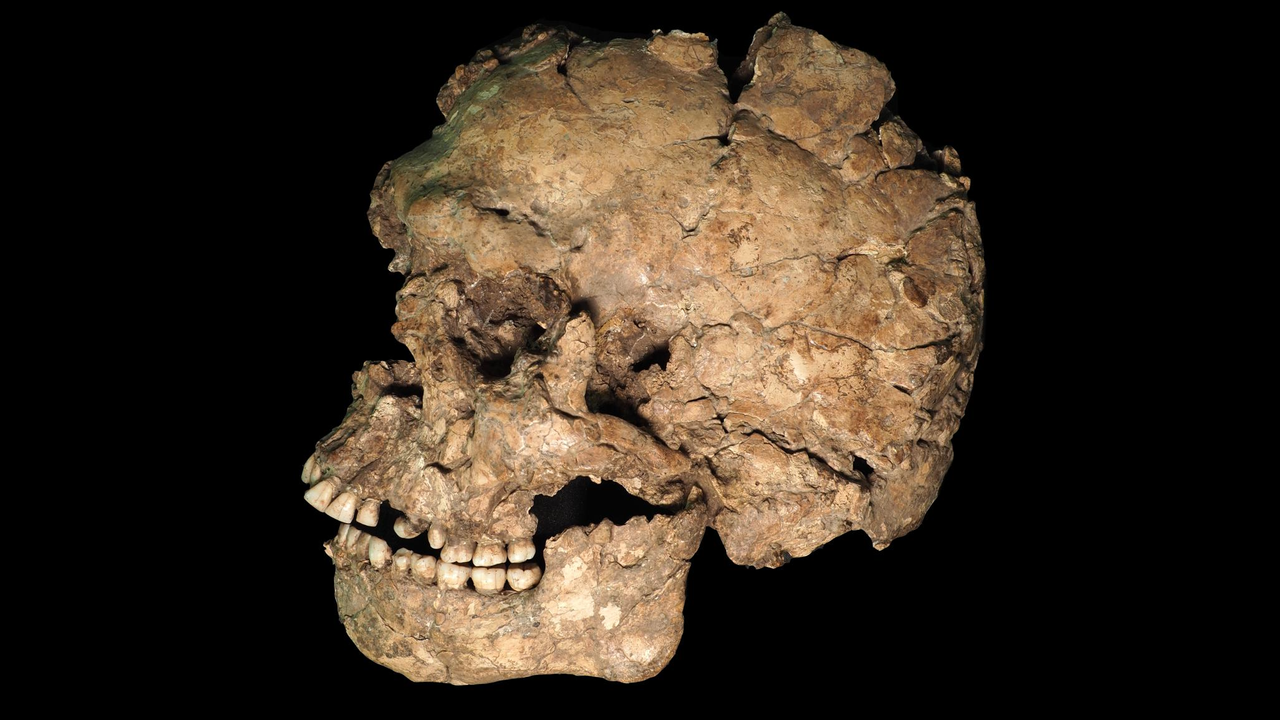
Multiple reports describe a microscopic examination of the Qafzeh 25 skull, an early Homo sapiens fossil found outside Africa. The analysis identifies a cut or stab-like mark on the individual’s face. Researchers interpret the damage as likely caused by a stone tool, based on the microscopic characteristics of the injury. The find is dated to roughly 100,000 years ago and is presented as evidence consistent with interpersonal violence in very early Homo sapiens populations beyond Africa.
The story is framed alongside related claims from other outlets about early evidence of stabbing or traumatic injury in comparable time periods. While the reports focus on the Qafzeh 25 specimen, they collectively emphasize that such microscopic examinations of fossil remains can reveal traces of sharp-force trauma long after death. The outlets do not describe the broader circumstances of the injury, such as whether it occurred during conflict, hunting, or another context, but they present the tool-mark interpretation as the best-supported explanation from the observed damage patterns.