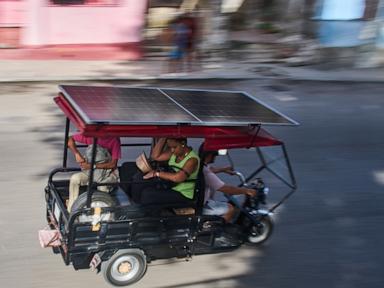
Cuba’s recent shift away from older, fuel-dependent vehicles is being supported by solar-powered electric tricycles, reported by multiple outlets. With access to gasoline and stable electricity remaining inconsistent, residents and local services are increasingly using small three-wheeled electric vehicles that rely on solar panels for charging. The tricycles are described as a practical alternative as Cuba experiences fuel shortages and periodic blackouts, replacing the role that vintage cars previously played in everyday transportation.
The reports note that the supply and visibility of the older fleet has declined, while electric tricycles are emerging as a newer option for moving people and goods locally. By capturing solar energy, the vehicles reduce dependence on fuel and can operate even when conventional charging infrastructure is limited. While details such as the scale of adoption and the number of tricycles in use are not provided in the excerpts, the sources consistently characterize the trend as a response to Cuba’s ongoing energy constraints, combining portable electric mobility with renewable power.