
Lindsey Graham’s death triggers procedures under South Carolina law for filling his U.S. Senate seat. Both reports describe a two-part process that begins with how the current vacancy is handled and then how a candidate is selected for the remainder of the term. South Carolina law calls for a temporary replacement—appointed by the state’s governor—to serve until a special Republican primary is held. That primary is scheduled for Aug. 11. After the primary, the state’s election process determines who will represent South Carolina on the ballot for the next phase of the Senate term. In the lead-up to November, the winner of the party nomination process proceeds to the general election, where voters decide who will serve the next Senate term. The governor-appointed replacement is intended to cover the gap between Graham’s death and the election timetable set out by state statutes, which extend through early January for the end of the appointed service period.
South Carolina sets special election and replacement process after Lindsey Graham’s death
Lindsey Graham’s death triggers procedures under South Carolina law for filling his U.S. Senate seat. Both reports describe a two-part process that begins with how the current vacancy is handled and t...

- South Carolina law provides for a temporary replacement to fill the Senate vacancy after Lindsey Graham’s death.
- The governor appoints the temporary replacement to serve until the special election process proceeds.
- A special Republican primary is scheduled for Aug. 11.
- The winner of the Republican nomination process moves into the November election framework.
- Voters ultimately choose who serves the next Senate term through the state’s established election process.
South Carolina law calls for a temporary appointment to fill the current Senate vacancy and a special Republican primary to select a replacement nominee for the November election. Voters would then choose who serves the next Senate term through the election process established under state law.
3 hours agoSouth Carolina law suggests his death triggers an Aug. 11 special Republican primary election, and the state’s governor can appoint a replacement to serve out the rest of his term, through early January.
4 hours ago
Zelensky proposes replacing Prime Minister Svyrydenko in government reshuffle
Ukrainian President Volodymyr Zelensky announces a government reshuffle that would replace Prime Minister Yuliia (Yulia)...
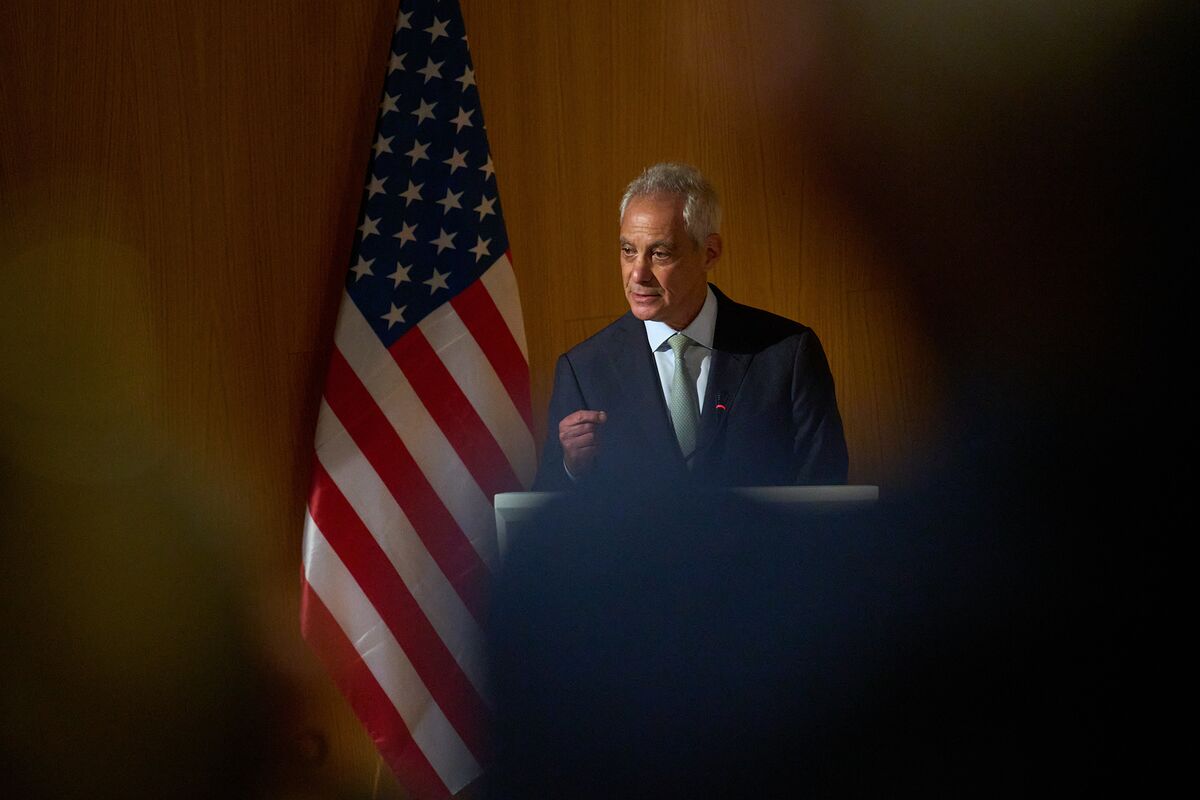
Rahm Emanuel urges end to unconditional U.S. support for Israel, warns alliance at crossroads
Former Chicago mayor and former U.S. ambassador Rahm Emanuel, a potential Democratic contender for the 2028 presidential...

Senator Lindsey Graham Dies at 71 After Brief Sudden Illness, Tributes From Leaders Pour In
U.S. Senator Lindsey Graham, a Republican from South Carolina and a longtime figure in foreign policy, dies at age 71 af...