
Pakistan faces a shortage of more than 100 essential medicines, including life-saving drugs such as cancer treatments and morphine, according to multiple reports. Both outlets link the shortfall to delayed price revisions by Pakistan’s Drug Regulatory Authority, which is holding up approvals needed to adjust medicine prices. Industry representatives say the delays are disrupting production and contributing to reduced availability in the market. The reports also point to broader cost pressures on manufacturers. They cite increases in the prices of imported raw materials, alongside higher expenses for electricity and fuel, packaging, transportation, labour, financing, and other operational inputs. Currency depreciation, including the fall of the Pakistani rupee, is described as further raising manufacturing costs for medicines that rely on imported components. With legitimate supply strained, the reports warn that the shortage can create opportunities for counterfeit or substandard products. Industry stakeholders call on the government to approve pending “hardship pricing” cases promptly to help stabilize production and restore access to essential medicines.
Pakistan reports shortage of life-saving medicines amid pricing delays and higher production costs
Pakistan faces a shortage of more than 100 essential medicines, including life-saving drugs such as cancer treatments and morphine, according to multiple reports. Both outlets link the shortfall to de...
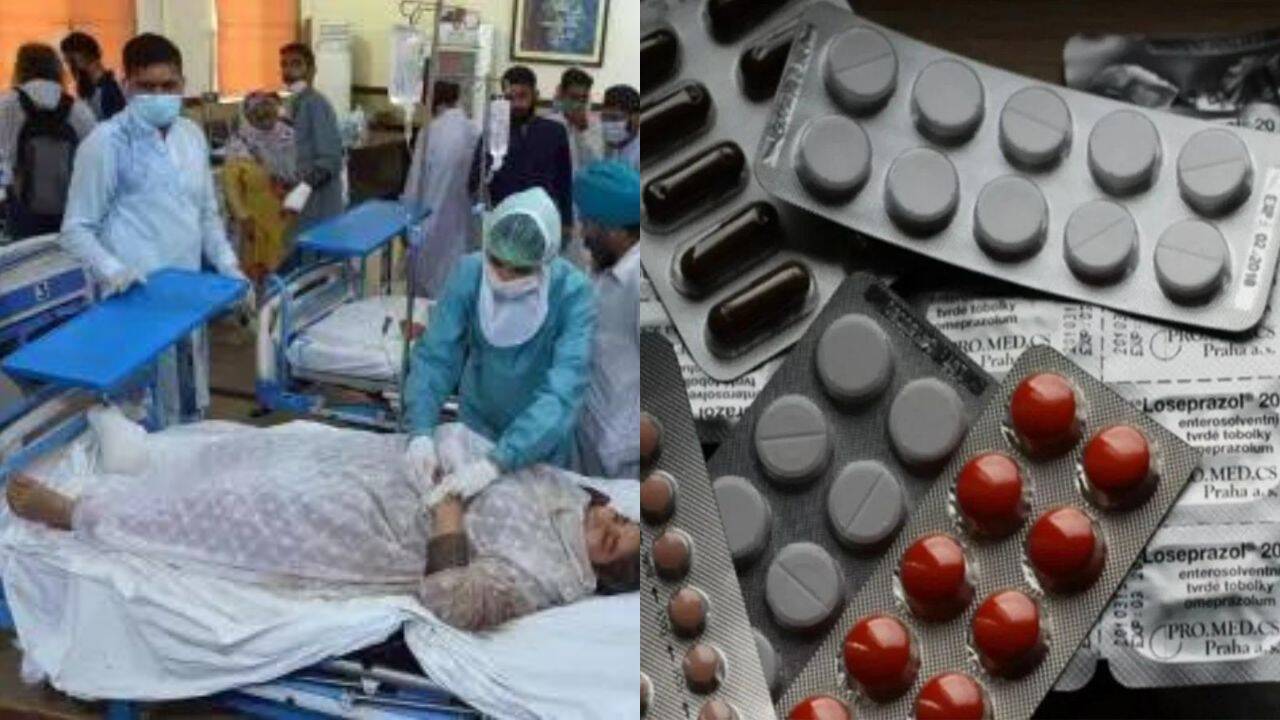
- Pakistan reports a shortage of more than 100 essential medicines, including cancer drugs and morphine.
- Delayed medicine price revisions by Pakistan’s Drug Regulatory Authority are disrupting manufacturing.
- Rising costs, including imported raw materials and higher energy, transport, packaging, and labour expenses, are increasing production costs.
- Depreciation of the Pakistani rupee is cited as a factor raising manufacturing expenses, especially for imported inputs.
- Reports warn that shortages increase the risk of counterfeit or substandard products entering the market.
Drap found that increasing prices of imported raw materials, electricity, fuel, packaging, transportation, labour, financing costs and the depreciation of the Pakistani rupee had significantly raised manufacturing expenses.
2 hours agoPakistan faces a critical shortage of over 100 essential medicines, including life-saving drugs. Delayed price revisions by the Drug Regulatory Authority of Pakistan are disrupting production. Rising costs of raw materials and currency depreciation have impacted manufacturing expenses significantly. This situation is creating space for counterfeit and substandard products in the market. Industry representatives urge the government to approve pending hardship pricing cases immediately.
14 hours ago
Etiquette expert shares tips to reduce noisy snack eating amid UK annoyance poll
An etiquette expert, Laura Akano, is urging people in the UK to curb noisy eating habits, particularly when eating crisp...

Marcoleta remains hospitalized in PNP General Hospital as police cite medical monitoring
Sen. Rodante Marcoleta remains confined at the Philippine National Police General Hospital in Camp Crame after being arr...

FDA approves subcutaneous Leqembi injection for initiating Alzheimer’s treatment
The U.S. Food and Drug Administration (FDA) approves Leqembi (lecanemab) as a subcutaneous injection option to begin Alz...