
Phys.org
What it covers
Latest stories it covered

Google says AI access choices affect schools’ Google Search availability
Google tells K-12 school districts that AI tools in its student software will be disabled by default and that schools must allow some AI access to keep access to Google Search. Mul...

Ping Ping and Fu Shuang return to Zoo Atlanta for public debut after two-year absence
Ping Ping and Fu Shuang, two giant pandas loaned from China, make their public debut at Zoo Atlanta, drawing crowds on Friday. Visitors watch them chew bamboo, lounge in their exhi...
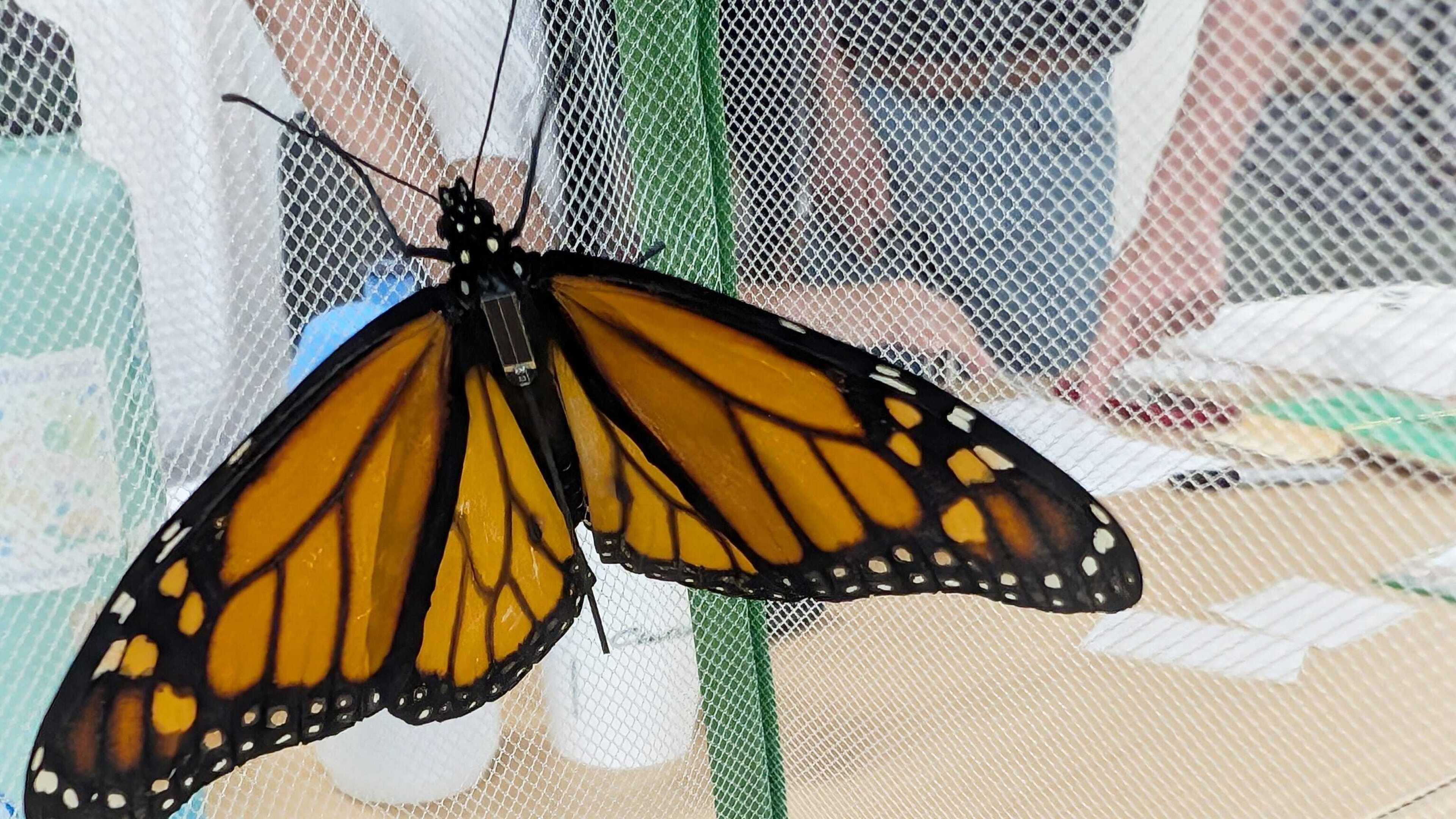
Scientists attach solar-powered trackers to monarch butterflies to map their migration routes
Scientists equip monarch butterflies with tiny tracking devices to learn where they travel, rest and stop during their long migration across North America. The work reported by mul...

Octopuses’ flexible bodies inspire soft robots to squeeze through tiny openings
Researchers study how octopuses pass through very small holes and use the findings to inform the design of flexible, “soft” robots for tasks such as search and rescue. Coverage acr...

New study casts doubt on Scotland and Wales as source of Stonehenge’s Altar Stone
Scientists are narrowing the possible geological origins of Stonehenge’s Altar Stone after fresh research disputes earlier theories. The roughly six-tonne stone has been linked in...

Scientists report evidence of fossilized dinosaur red blood cells in 115-million-year-old bones
Multiple outlets report that researchers have found chemically identified traces consistent with dinosaur red blood cells in a 115-million-year-old fossil. The claim centers on ima...
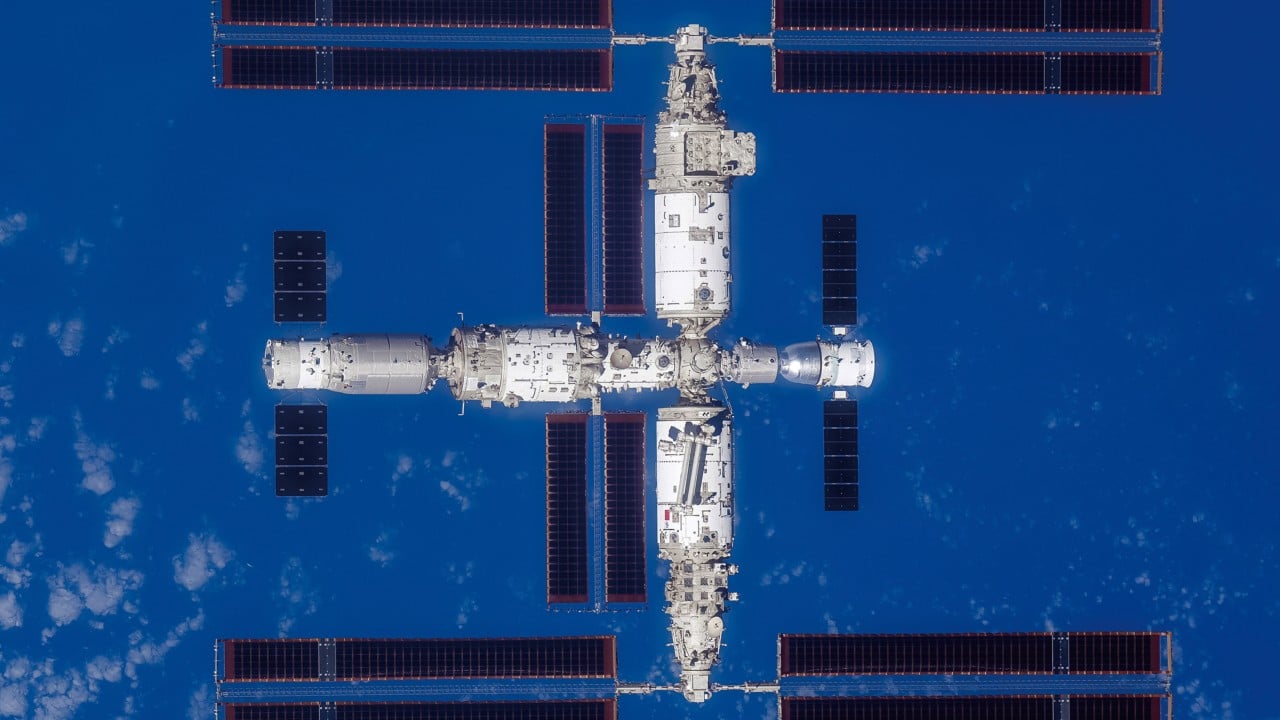
Chinese researchers set record ultra-low temperatures on Tiangong space station
Chinese scientists report a new record for achieving extremely low temperatures aboard the Tiangong space station, according to a study published in *Science*. The achievement crea...
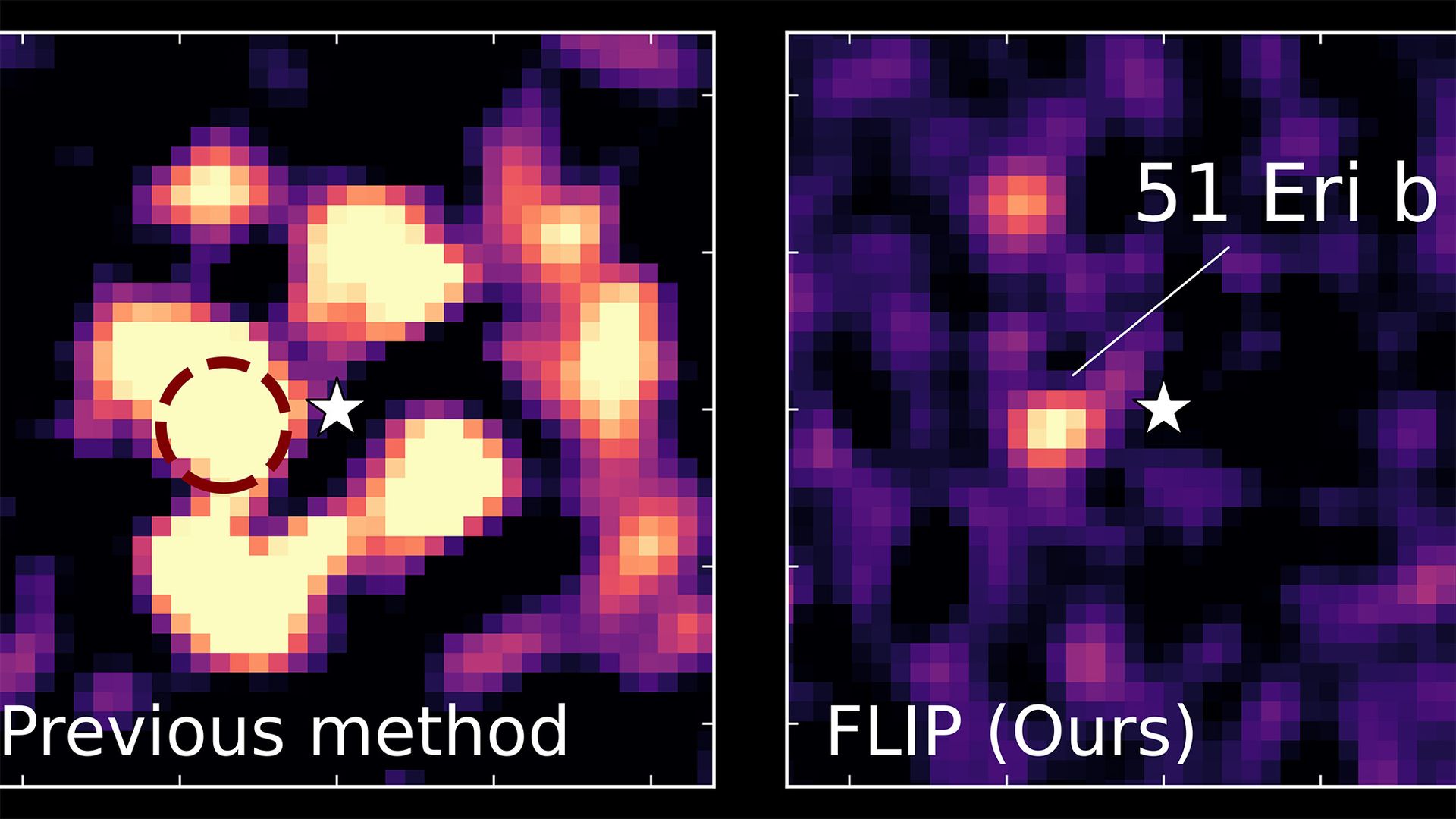
JWST data processing reveals a hidden giant exoplanet by removing starlight glare
Astronomers using NASA’s James Webb Space Telescope identify a giant exoplanet that had been obscured by the intense glare of its host star. Instead of relying solely on traditiona...
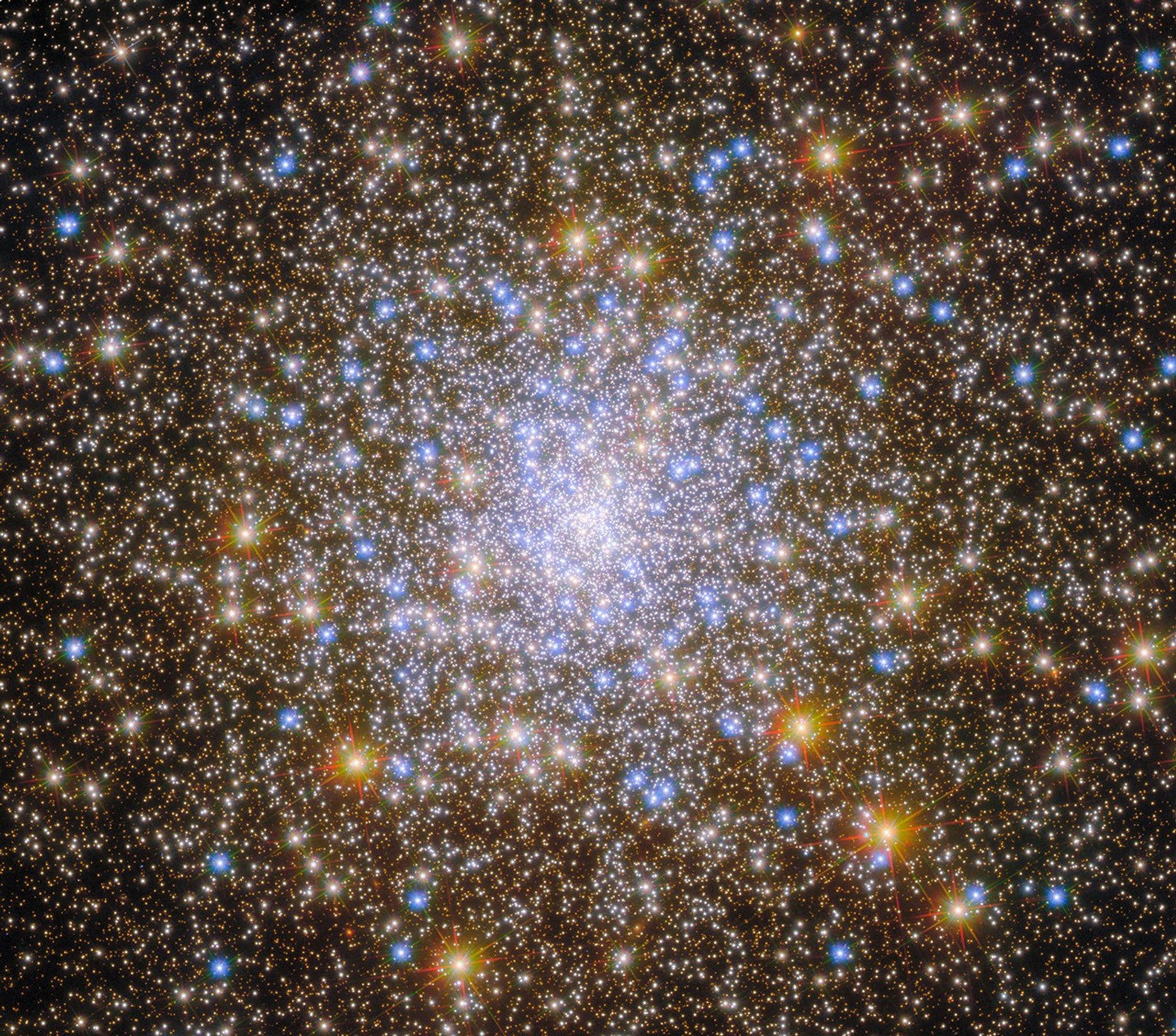
Hubble Space Telescope image highlights Messier 30’s place in galactic history
NASA/ESA’s Hubble Space Telescope releases a new image of Messier 30 (M30), a “sparkling collection of stars” used to illustrate a lesson in galactic history. The object is named a...
Microplastics near the Great Pacific Garbage Patch may be brightening ocean waters
Multiple outlets report that the waters near the Great Pacific Garbage Patch—an area of debris accumulation in the Pacific—have grown brighter in blue and green wavelengths over th...

Hawk moths evolve genital defenses that emit ultrasound to disrupt bat echolocation
Hawk moths have evolved genital-based defenses that produce ultrasonic signals to interfere with hunting bats. Across the sources, male hawkmoths are described as using rubbing mov...

CERN scientists report evidence of an extremely rare particle decay pointing to the ‘zeptoverse’
Researchers at CERN report evidence for an extraordinarily rare particle decay that offers a new way to probe the “zeptoverse,” a scale far smaller than an atom. Multiple outlets s...

LOFAR produces record-sharp, ultra-deep low-frequency radio images
Astronomers using the Low Frequency Array (LOFAR) report the sharpest and most sensitive low-frequency radio view of the sky yet. The studies present ultra-deep LOFAR images that d...

Toxicology study finds Incan children received cocaine and other hallucinogens before sacrifice
A new toxicology study examines Incan mummy remains and reports that children consumed psychoactive substances shortly before being sacrificed on high Andean mountain shrines. Acco...
NASA’s Swift observatory burns up after re-entry following a failed rescue attempt
NASA’s Neil Gehrels Swift Observatory re-enters Earth’s atmosphere and ends its 22-year mission after its orbit decays and a planned rescue attempt fails. Phys.org reports the obse...

Cosmic “leaf blower” helps explain why early galaxies look unusually bright
Astronomers using images from the James Webb Space Telescope find an unexpected pattern in the early universe: an overabundance of bright galaxies roughly 400 to 500 million years...
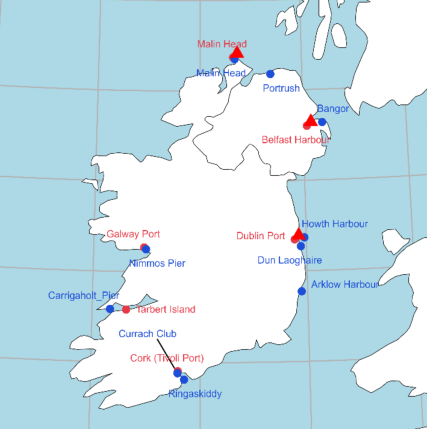
Study finds accelerating sea-level rise around Ireland linked to climate change
A new scientific study finds sea levels around Ireland are rising faster, with the rate increasing more than fivefold since the start of the century. It says sea levels are at thei...

NASA’s space telescope falls back to Earth after 22 years studying cosmic explosions
NASA’s space telescope plunges back to Earth after more than two decades in orbit, ending its long-running mission studying some of the universe’s biggest explosions. Multiple outl...

Study uses teeth from an old cemetery to link climate shocks to Industrial Revolution disease
Researchers analyse teeth taken from a centuries-old cemetery to examine how climate shocks may have influenced disease patterns during England’s Industrial Revolution. The study f...

WHO urges scaling six climate-health measures to avert 1.6 million deaths yearly
The World Health Organization (WHO) says scaling up six climate and health measures could save about 1.6 million lives each year. The interventions are presented as globally applic...