


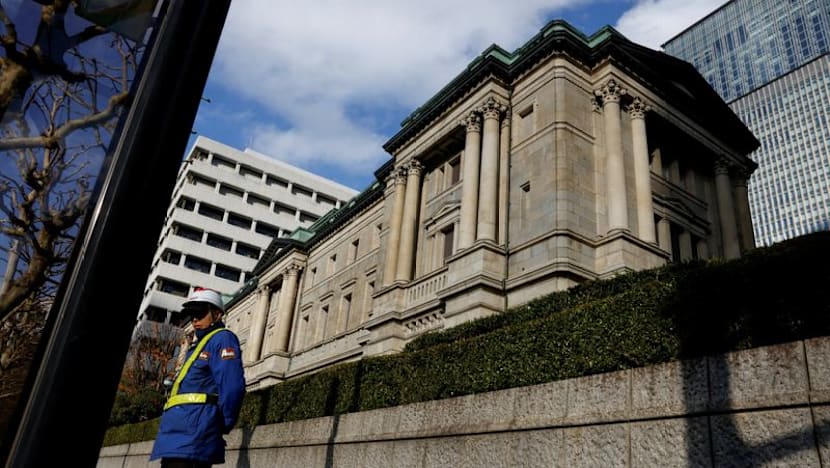
Japan’s central bank holds its interest-rate policy, and investors react to the decision. Across reports, market participants assess what the BOJ’s move signals about the pace of future policy changes, particularly in light of Japan’s inflation outlook and wage trends. With the rate decision unchanged, attention shifts to expectations for subsequent meetings and whether any future adjustments will come sooner or later than investors had priced in. Traders and analysts monitor moves in Japanese government bond yields and the yen, as well as broader risk sentiment in response to the BOJ’s guidance and commentary. Coverage also highlights that the reaction is shaped not only by the decision to keep rates steady, but by how the BOJ frames its assessment of economic conditions, including whether inflation is moving toward a sustained target. While some investors treat the hold as consistent with a cautious approach, others recalibrate their portfolios based on how much room remains for additional tightening or easing. Overall, the reporting indicates that markets are searching for clarity on the BOJ’s next steps rather than responding to an immediate change in borrowing costs.
Investors react after Japan’s central bank holds interest rates
Japan’s central bank holds its interest-rate policy, and investors react to the decision. Across reports, market participants assess what the BOJ’s move signals about the pace of future policy changes...
2 sources
5 hours ago
2 views
Key Points
- Japan’s central bank keeps interest rates unchanged.
- Investors reassess expectations for future BOJ policy based on the decision.
- Market attention centers on signals about inflation and wage dynamics.
- Traders monitor impacts on Japanese government bond yields and the yen.
- The reaction reflects both the rate hold and the BOJ’s accompanying guidance.
How Outlets Covered This Story
INV
CHA
Related Stories

China restricts dual-use exports to 14 EU entities after EU Russia sanctions
China announces it is adding 14 European Union entities to its export control list, effective immediately, following an...
5 sources
1 week ago

Manipal Health Enterprises IPO opens July 29; price band set at Rs 560-590
Manipal Health Enterprises Ltd, the operator of the Manipal Hospitals network, opens its initial public offering (IPO) o...
6 sources
1 week ago

U.S. inflation worsens in Q2 across consumers, businesses, and government, even excluding energy
Multiple outlets report that overall U.S. inflation deteriorates in the second quarter (Q2), affecting consumers, busine...
2 sources
6 hours ago