


New government figures based on Environment Agency assessments indicate that toxic chemicals are present across essentially all of England’s rivers, lakes and other surface waters. The Environment Agency evaluates water quality on a six-year cycle, checking ecological status against standards that cover wildlife, water quality and physical habitat. Across the latest assessment, only about 14.3% of England’s surface waters achieve “good ecological status,” meaning the vast majority fall short of that benchmark. The testing includes a range of hazardous pollutants, reported to cover substances such as PFAS (“forever chemicals”) and microplastics, alongside other toxic chemicals. The findings apply broadly to water types assessed, including rivers, lakes, estuaries and coastal waters, according to the reporting summarised by both outlets. The results reflect performance against ecological health measures rather than a single contaminant, and they do not suggest uniform levels or the same chemicals across every site, but instead show that pollution is widespread and that only a small share meets the good-status criteria.
Almost all of England’s waters polluted with toxic chemicals, official data shows
New government figures based on Environment Agency assessments indicate that toxic chemicals are present across essentially all of England’s rivers, lakes and other surface waters. The Environment Age...

- The Environment Agency assesses England’s surface waters on a six-year cycle for ecological status.
- Only about 14–15% of England’s surface waters reach “good ecological status.”
- The assessments indicate that toxic chemicals are found across essentially all assessed water bodies.
- Tested pollutants include PFAS (“forever chemicals”) and microplastics.
- Ecological status ratings consider multiple standards covering wildlife, water quality and physical habitat.
Just 14 per cent of England's rivers, lakes, and coastal waters are in good ecological health
2 hours agoEnvironment Agency assessments find just 14.3% of country’s surface waters in good ecological statusEvery single English water body is polluted with toxic chemicals, new government data shows, while just 14.3% of surface waters achieved good ecological status.Each of the country’s rivers, lakes and estuaries was assessed by the Environment Agency as part of a six-yearly evaluation of England’s water quality. The EA checked for a range of toxic chemicals, from Pfas – or “forever chemicals” – to microplastics. Waters were also checked against a range of standards covering wildlife, water quality and physical habitat. Continue reading...
5 hours ago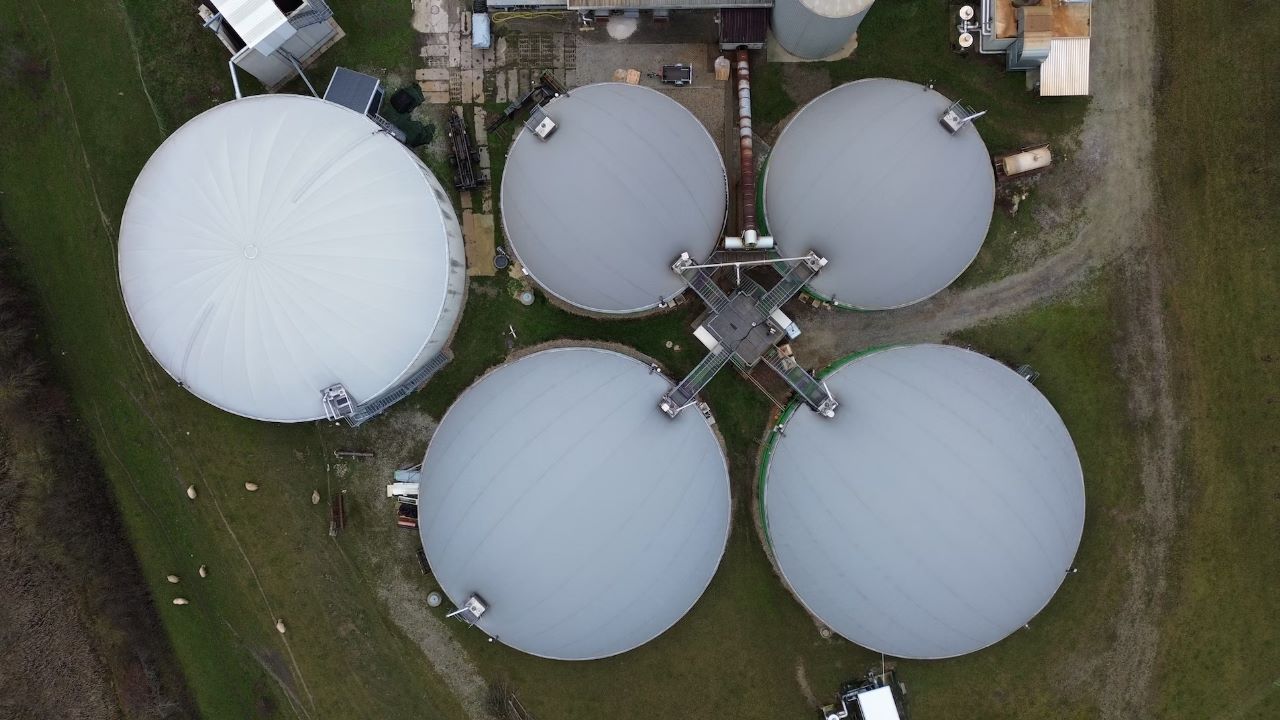
Cabinet approves Rs 23,731-crore GOBARdhan scheme to scale compressed biogas
India’s Union Cabinet clears the Rs 23,731-crore GOBARdhan scheme aimed at expanding production of compressed biogas (CB...

Max Miller Denies Domestic Abuse Allegations as GOP Calls for Ethics Review Grow
Ohio Republican Rep. Max Miller faces mounting scrutiny after his ex-wife, Emily Moreno, publicly alleged that he abused...

U.S. and Iran talks stall as ceasefire, Hormuz shipping and Lebanon tensions persist
The United States and Iran continue negotiating to extend a ceasefire and reach broader agreements, but progress remains...