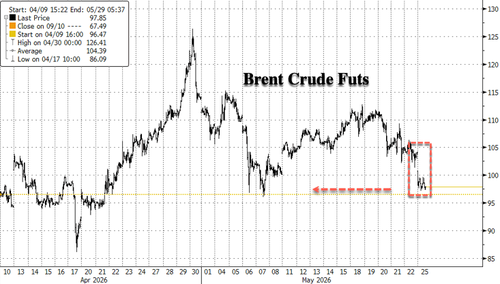
A commentary article discusses whether President Donald Trump’s promise to reopen the Strait of Hormuz is realistic and what obstacles could affect timing. It argues that Iran’s leadership faces mounting economic pressure, describing Tehran as “suffering” and suggesting that Iran’s clerical rulers could face financial constraints if current conditions persist. The piece links these pressures to the idea that Tehran’s ability to respond effectively may be affected by access to cash and longer-term fiscal resilience.
The article also addresses the central question of timing, stating that time is not necessarily on the U.S. president’s side. While it frames Iran’s economic difficulties as relevant to negotiations or leverage, it does not present a single, confirmed pathway to reopening the Strait. Instead, it raises the possibility that efforts to change the status quo may face significant uncertainty, including skepticism that such actions could be “doomed to fail.” Overall, the piece focuses on economic conditions in Iran and the practical challenges involved in altering regional maritime restrictions, without detailing specific agreed measures or official timelines.