


Rwanda is using “environmental DNA” (eDNA) technology to detect wildlife by collecting genetic material left in the environment. Rather than relying solely on direct sightings or tracking, the approach involves sampling soil and water in natural habitats where target species are thought to live. The DNA fragments present in these samples can then be analyzed to determine whether particular species are present, including endangered animals such as mountain gorillas. Both outlets describe the method as a potential shift in conservation monitoring, because it can identify species that may be difficult to observe and can provide information without disturbing animals or requiring continuous field presence. The reporting emphasizes that eDNA works by detecting traces of organisms shed into their surroundings, allowing researchers to build evidence of presence through laboratory testing of the collected samples. While the sources focus on Rwanda’s initiative and its promise for conservation, they do not provide additional details on timelines, scale, or results beyond the use case of detecting species such as mountain gorillas.
Rwanda uses environmental DNA to detect endangered species in the wild
Rwanda is using “environmental DNA” (eDNA) technology to detect wildlife by collecting genetic material left in the environment. Rather than relying solely on direct sightings or tracking, the approac...
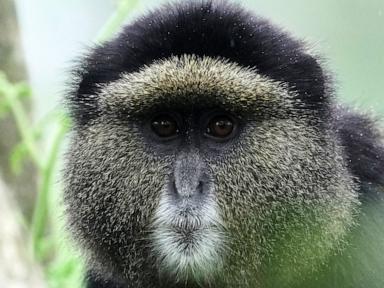
- Rwanda is using environmental DNA (eDNA) technology for wildlife detection.
- The method relies on genetic material left in soil and water.
- Samples are collected from natural habitats and analyzed in a lab.
- The approach is used to detect endangered species, including mountain gorillas.
- The reporting presents eDNA as a potential tool to improve conservation monitoring.
Rwanda is using a new approach known as environmental DNA technology to detect species like the endangered mountain gorilla using genetic material left in soil and water
3 months agoRwanda is using a new approach known as environmental DNA technology to detect species like the endangered mountain gorilla using genetic material left in soil and water
3 months ago
Gateway Mining extends WA gold discoveries near Wiluna to 4.5km and identifies long gold trend
Gateway Mining reports expanded drilling results at its Yandal Belt gold project near Wiluna in Western Australia. The c...

IBPS extends Clerk 2026 application deadline to August 28 for 11,403 CSA posts
The Institute of Banking Personnel Selection (IBPS) extends the application deadline for its Clerk recruitment 2026 (CRP...

3.4 magnitude earthquake reported in Sydney’s southwest, residents report home shaking
A 3.4 magnitude earthquake is reported to have struck Sydney’s southwest, with residents saying their homes shook. Multi...