


Experts cited by multiple outlets say the United States’ move to designate two Brazilian gangs as terrorist organizations is likely driven by politics rather than solely by security concerns. Analysts argue the decision aligns with efforts to affect public opinion ahead of Brazil’s elections, pointing to the timing and potential domestic political impact. Some commentators connect the action to U.S. strategy involving allies connected to former Brazilian politics, including attention to President Donald Trump and figures associated with Jair Bolsonaro’s political network. According to these experts, labeling the gangs as terrorists could strengthen an allied candidate’s position in Brazil by framing the issue as international pressure against criminal groups. The outlets also note that the U.S. classification decision is controversial and is being debated by political figures and analysts, who question whether the move is intended to influence election narratives. At the same time, the reporting reflects that the U.S. action is framed by the United States as a counterterrorism measure. The overall coverage presents differing interpretations, but all sources report the same core claim: that critics see the designations as election-related maneuvering.
Experts: U.S. terrorist designation of Brazilian gangs linked to election influence
Experts cited by multiple outlets say the United States’ move to designate two Brazilian gangs as terrorist organizations is likely driven by politics rather than solely by security concerns. Analysts...

- The U.S. designates two Brazilian gangs as terrorist organizations.
- Politicians and analysts argue the decision is political and related to election influence in Brazil.
- Critics point to the timing and potential impact on Brazil’s public debate about crime and security.
- Some analysts link the move to broader U.S. political interests involving President Trump and connections to Jair Bolsonaro’s network.
- The U.S. presents the designations as a counterterrorism measure, while experts dispute the underlying motive.
The U.S. decision to classify two Brazilian gangs as terrorist organizations is a political one aimed at boosting an ally of President Trump, the son of former Brazilian president Jair Bolsonaro, politicians and analysts say.
2 months ago
Key issues facing Andy Burnham as parliament returns next week
Andy Burnham is expected to face several major issues when parliament returns next week, with multiple outlets highlight...
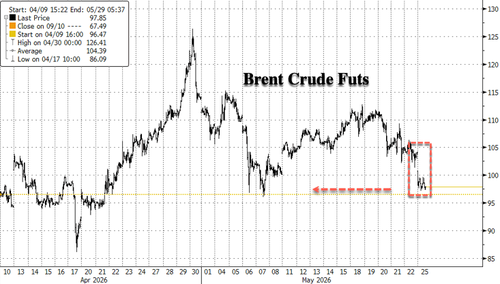
US-Iran talks hinge on ceasefire extension, Hormuz access and frozen assets amid ongoing strikes
The United States and Iran are negotiating an arrangement that would extend their shaky ceasefire and begin nuclear-focu...
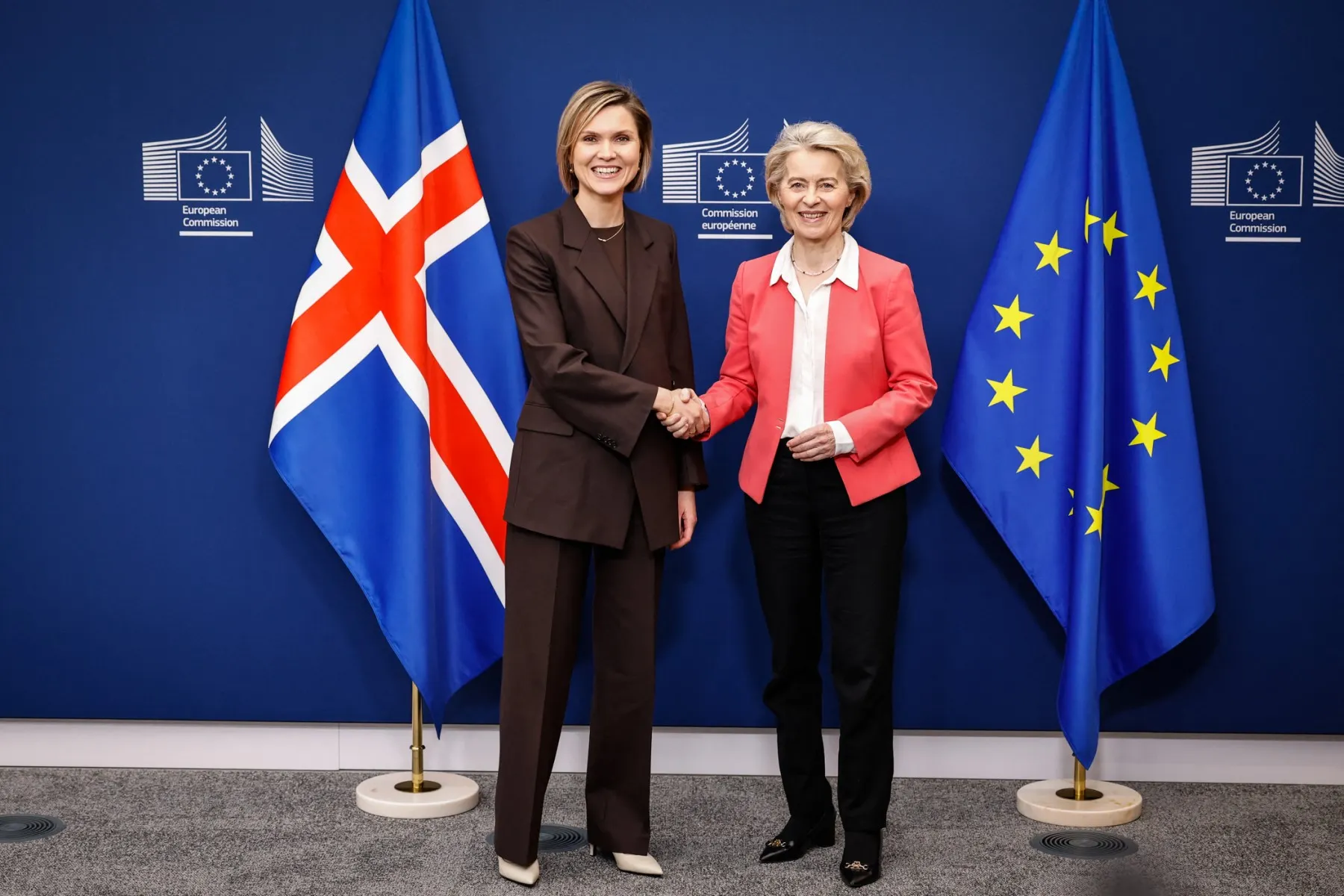
Iceland votes in tight referendum on resuming EU membership talks
Iceland holds a referendum on Saturday on whether to resume negotiations with the European Union over possible membershi...