


Multiple outlets describe how dead organisms and disturbed remains continue to influence ecosystem recovery. The Conversation emphasizes that remains of “foundation species” can affect whether later generations grow and thrive, either by supporting regeneration or by hindering it. Phys.org similarly highlights that scenes such as wildfire burn scars on previously forested hillsides and bleached coral reefs often look like signs of loss, but they also represent natural stages of recycling. As ecosystems recover, dead plant and animal matter can become habitat and nutrient sources that support new organisms. At the same time, the condition of the remains can matter: some dead structures may help create conditions favorable to regrowth, while other outcomes—such as bleaching—can reflect stress that may slow or alter recovery patterns. Together, the sources present dead organisms not as the end of ecological activity, but as material that can be reused in rebuilding ecosystems, with the net effect depending on how those remains influence future growth.
How burned trees and bleached corals continue to shape new life in ecosystems
Multiple outlets describe how dead organisms and disturbed remains continue to influence ecosystem recovery. The Conversation emphasizes that remains of “foundation species” can affect whether later g...
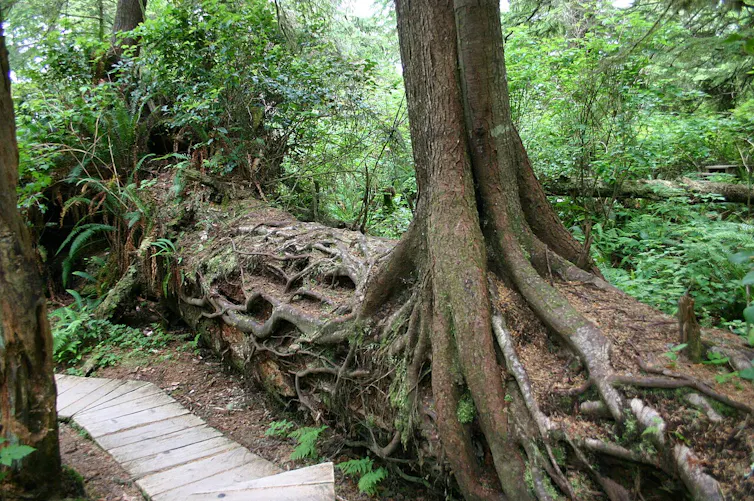
- Wildfire burn scars and bleached coral reefs can be indicators of ecosystem disturbance, but also part of ongoing recycling.
- Dead organisms and biological remains continue to contribute to habitat and resources for new life.
- Remains of foundation species can either boost or deter how well future organisms grow and thrive.
- How ecosystems recover depends on the nature and effects of the dead material left behind.
- Rather than ending ecological processes, death in nature is presented as a transition toward regeneration.
People's knee-jerk reaction to seeing death in nature is often not positive. The burn scar left by wildfire on a once-forested hillside, or a ghostly white coral reef, may evoke tragedy and despair. But in nature, most plants and animals are recycled into new life.
2 months agoThe dead remains of foundation species can boost or deter how well future generations are able to grow and thrive.
2 months ago
China removes generals Zhang Youxia and Liu Zhenli from Central Military Commission
China removes senior military officers Zhang Youxia and Liu Zhenli from the Central Military Commission (CMC), state med...

Trump signs order for first U.S. Space Academy and awards Artemis II with Medal of Honor
President Donald Trump signs an executive order to establish the United States’ first Space Academy and presents the Con...

Editors’ Picks: 11 Autumn Bags Suggested by Retailers and Fashion Outlets
Fashion outlets compile a list of 11 handbags for autumn, highlighting bags they say are worth investing in for the seas...